Last updated October 16, 2026





Free written scope consultation - allowances, timeline, and change-order rules on paper before a single trade is scheduled
Construction Permits, Codes & Inspections in CA: What You Need to Know
Unpermitted additions and remodels are the single most common reason California home sales fall out of escrow. A buyer’s lender orders an appraisal, the appraiser notices the converted garage or the added bathroom doesn’t match county records, and the deal dies at the title desk. In most of those cases, the original homeowner knew the work was unpermitted but assumed the buyer would never find out. By the time you finish this guide, you’ll know exactly which Fresno remodeling projects require permits, what each inspection actually verifies, how to confirm your contractor pulled permits in the right name, and what Title 24 means for your specific scope of work. For construction warning signs every Fresno homeowner should know, see our dedicated reference. You’ll also know what questions to ask before signing anything, and how to protect your equity if the job goes sideways.
Styles & brands we work with



Quick Answer
Most structural, electrical, plumbing, and mechanical work on a California home requires a permit from the local building department; in Fresno, that’s the City of Fresno Building and Safety Division. A remodel done without permits can void your homeowner’s insurance coverage for that portion of the house, block a future sale, and expose you to fines. Inspections happen in stages, each verifying a specific scope of work, and the final inspection is what makes the permit legally closed and the project officially compliant.
Table of Contents
- Why Permits Exist: The Equity and Insurance Angle
- Permit Types for Common Fresno Remodels
- Fresno Permit Fee Schedule: Real Numbers
- What Each Inspection Stage Actually Verifies
- The Owner-Builder Permit: What It Allows and Prohibits
- How to Verify Your Contractor Pulled Permits in the Right Name
- Title 24 Energy Code: What Triggers Compliance
- Common Mistakes to Avoid
- When to Call a Professional
- Frequently Asked Questions
- The Bottom Line
Why Permits Exist: The Equity and Insurance Angle
A permit is not a tax on your remodel. It’s a legal record that the work was done to code, inspected by a third party, and approved for occupancy. That record is what protects your equity when you sell, and it’s what keeps your homeowner’s insurance policy valid when something fails. If a water heater installed without a permit leaks and destroys your kitchen, your insurer can deny the claim on the grounds that the installation was never inspected. In Fresno, where hard water shortens the lifespan of water heaters and supply lines, this isn’t a theoretical risk. Our team has seen insurance adjusters walk into a Fresno home, open the water heater closet, check the permit sticker, and deny a five-figure claim on the spot.
The permit record also matters during a sale. California’s standard real estate disclosure forms ask directly whether any work was done without permits, and lying on those forms is fraud. Buyers’ inspectors in the Fresno market now routinely pull permit history from the city’s online portal before closing. If the square footage on the listing doesn’t match the assessor’s records, the buyer’s lender will flag it. At that point, the seller has three options: get retroactive permits, which requires opening walls to show the work; lower the price; or lose the buyer. None of those are cheap.
Permit Types for Common Fresno Remodels
California building permits fall into mechanical, electrical, plumbing, and structural categories. A full kitchen remodel in Fresno typically requires a combination permit covering the electrical, plumbing, and structural scope, because the work usually involves moving circuits, relocating supply lines, and sometimes altering load-bearing walls. A bathroom addition requires its own set of permits, and a roof replacement triggers a roofing permit plus a Title 24 compliance check. Here’s the breakdown by project type:
- Kitchen remodel: Requires electrical permit for new circuits and outlets, plumbing permit for moved or new supply and drain lines, and structural permit if any wall is removed or modified. If you’re replacing cabinets and countertops only, no permit is required. If you’re moving gas lines, that’s a separate plumbing permit item.
- Bathroom addition: Requires full structural, plumbing, electrical, and mechanical permits. The structural permit covers framing, foundation work, and any new roof tie-ins. The plumbing permit covers the new supply, drain, and vent lines. The electrical permit covers the new circuits, exhaust fan, and lighting. If it’s a full bath, the mechanical permit covers ventilation requirements.
- ADU (Accessory Dwelling Unit): An ADU is a separate dwelling unit with its own kitchen, bathroom, and entrance. The permit process for an ADU in Fresno is more involved than a standard remodel: site plan review, setback verification, separate utility connections, and a full structural plan review are all required. California state law has streamlined ADU approvals, but Fresno’s building department still requires a complete plan set from a licensed designer or engineer.
- Roof replacement: Requires a roofing permit. The permit verifies that the new roof meets current wind and fire resistance standards. In Fresno’s climate zone, that means a Class A fire-rated roof covering, and the inspection will check the underlayment, flashing, and ventilation against current code.
Fresno Permit Fee Schedule: Real Numbers
Permit fees in Fresno are calculated on a valuation basis, meaning the city uses your project’s estimated construction cost to determine the permit fee. The current City of Fresno building permit fee schedule works out to roughly 2 to 3 percent of the project valuation for most residential remodels. For a $25,000 kitchen remodel, that puts the building permit fee in the $500 to $750 range. A $15,000 bathroom addition runs roughly $300 to $450. A $12,000 roof replacement runs about $240 to $360. These are the building permit fees only; the separate electrical, plumbing, and mechanical permits each add their own valuation-based fees, typically $100 to $300 per trade for a standard residential scope. An ADU is a different animal: the valuation on a 500-square-foot garage conversion in Fresno is often $100,000 to $150,000, which puts the building permit fee at $2,000 to $4,500 before trade permits.
Fresno also charges a plan review fee, typically 65 percent of the building permit fee, plus a small technology surcharge. A full kitchen and bath remodel with a plan review will commonly land in the $1,200 to $2,500 range for all permits combined. That’s real money, and it’s why some contractors offer to work without permits and pass the “savings” along-something we cover in our DIY vs Professional Construction: The Fresno Homeowner’s Decision Guide. What they’re actually passing along is the risk, because those fee dollars are what buy you a third-party inspector, a permanent record, and a legal defense if the work fails.
What Each Inspection Stage Actually Verifies
Inspections are not a single visit. They happen in stages, and each stage has a specific scope. Here’s what each inspection actually checks, using a typical Fresno kitchen remodel as the example:
- Rough-in inspection: This happens after framing and mechanical work are complete, but before drywall goes up. The inspector checks the stud layout, the electrical wiring (before it’s connected to fixtures), the plumbing supply and drain lines (including a pressure test on the supply lines and a drain test on the waste lines), and the HVAC ductwork if it’s being modified. The rough-in is the most detailed inspection and the one that catches the most violations, because it’s the last time the inspector can see inside the walls. Common write-ups in Fresno: improper nail plates over wiring, wrong size drain fittings, missing fire blocking, and insufficient clearance around recessed light housings.
- Framing inspection: For projects involving structural work, the framing inspection verifies the structural members match the approved plans. The inspector checks beam sizes, joist spacing, shear wall nailing patterns, and the connections where new framing ties into existing framing. In Fresno, where most homes are slab-on-grade, the framing inspection often happens before the slab inspection, which checks rebar placement and footing depth before concrete is poured.
- Insulation inspection: This stage verifies that the insulation type, R-value, and coverage match what the energy code requires. In Fresno’s climate zone, the building code requires R-30 ceiling insulation and R-13 wall insulation for most remodels. The inspector also checks that the insulation doesn’t block required ventilation pathways.
- Final inspection: The final inspection verifies that everything works: outlets are grounded, breakers are labeled, plumbing doesn’t leak, the exhaust fan moves air, the door swings the right way, and the work matches what the permit approved. The final inspection is what closes the permit. Until that signature is recorded, the permit is open, which means the project is legally incomplete.
The Owner-Builder Permit: What It Allows and Prohibits
California law allows a homeowner to pull an owner-builder permit, which means the homeowner acts as their own general contractor and assumes liability for the project. What most homeowners don’t learn until it’s too late is that the owner-builder permit has real legal strings attached. If you pull an owner-builder permit and hire a contractor to do the work, that contractor is legally classified as an employee, not a contractor. That means you’re responsible for workers’ compensation insurance. If the contractor’s crewmember gets hurt on your property and the contractor has no workers’ comp of their own, the claim lands on your homeowner’s insurance, and many policies specifically exclude owner-builder projects.
The other shoe drops at resale. California requires sellers to disclose whether they acted as an owner-builder, and a buyer’s lender is far more cautious about work done under an owner-builder permit than work done by a licensed contractor. The reason is simple: there’s no contractor’s warranty, no license board to file a complaint with, and no guarantee that the work was done by someone who knew what they were doing. An owner-builder permit in Fresno can work for small, contained projects like a patio cover or a fence, but pulling one for a kitchen remodel or an ADU is a bet most homeowners shouldn’t take. The risk isn’t the permit itself; it’s what the permit makes you legally responsible for.
How to Verify Your Contractor Pulled Permits in the Right Name
This is the question most homeowners never think to ask until the contractor has stopped answering the phone. When a contractor pulls a permit, the permit carries a name: either the contractor’s name or the homeowner’s name. If the contractor pulls the permit in their own name and then abandons the project, the permit is open, the work is uninspected, and the homeowner has no direct relationship with the building department. To close the permit, the homeowner must either find another contractor willing to take over someone else’s half-finished work or go through the owner-builder conversion process, which adds time and liability.
The fix is simple and should happen before any work starts. Ask to see the permit record, and check that your name is on it. In Fresno, permits can be verified through the City of Fresno’s online permit portal using the street address or the permit number. If the permit is in the contractor’s name, that doesn’t automatically mean anything is wrong; it’s common practice, and a contractor pulling permits in their own name is normal. What matters is what happens if they walk. A written contract, like the ones Bradford Remodeling Co Fresno uses, should specify that permits will be pulled in the homeowner’s name, or that the contractor will close out any permits in their name before final payment. For a full breakdown of what to monitor, see our General Contractor Maintenance Checklist for Fresno Homeowners. If a contractor won’t put that in writing, that’s the only red flag you need. The same principle applies to the material brands used on the job. A contractor should be able to tell you exactly what cabinet line, countertop surface, and fixture series are specified in the scope. If they can’t name them, the scope isn’t defined yet, and undefined scopes are where surprise invoices come from.
Title 24 Energy Code: What Triggers Compliance
California’s Title 24 energy code applies to nearly every residential remodel, but it doesn’t apply equally. The threshold question is whether the project adds conditioned square footage or replaces existing building components. Replacing cabinets and countertops triggers nothing. Replacing windows triggers compliance, because windows are regulated by the energy code’s fenestration requirements. Replacing a roof triggers compliance on the roofing side, which in Fresno means a cool roof or radiant barrier requirement in many cases. Adding a bathroom or an ADU triggers full Title 24 compliance for the added square footage.
The component inspectors check first in a Fresno remodel is insulation, because it’s cheap to verify and commonly undersized. The second check is window performance, specifically the U-factor and solar heat gain coefficient, which matter in a climate where summer cooling loads dominate. The third check is lighting: Title 24 requires high-efficacy lighting in kitchens and bathrooms, which in practice means LED fixtures or fixtures with GU24 sockets. A fourth check applies to any project that modifies a wall or ceiling cavity: the inspector verifies that the insulation meets the minimum R-value for the climate zone before the drywall closes the wall. None of this is exotic, but it’s rarely explained to homeowners, and it’s exactly the kind of thing that gets flagged at rough-in if the contractor didn’t plan for it.
Common Mistakes to Avoid
- Assuming a handyman can pull permits. Only a licensed contractor or an owner-builder can pull a building permit in California. A handyman who offers to “handle the permit” is either pulling it as an owner-builder with you on the hook, or not pulling it at all.
- Paying the final invoice before the final inspection is signed off. Once the contractor has your money, the leverage to close out the permit is gone. Hold final payment until the permit record shows a passed final inspection.
- Not checking that the permit covers the right scope. A permit for a kitchen remodel doesn’t cover a bathroom addition. If the scope changes mid-project, the permit must be updated, and the new work must be inspected separately.
- Believing that “cosmetic work doesn’t need a permit” without verifying the definition. Painting and flooring don’t need permits. Moving a sink two feet, relocating a water heater, or changing a circuit does. If you’re not sure, call the City of Fresno Building and Safety Division and ask; they answer the phone, and their answer is free.
- Letting a contractor talk you out of pulling permits to save money. The contractor isn’t the one who faces the insurance denial, the escrow fall-out, or the fine. You are. The permit fee is the cheapest insurance policy you’ll ever buy on a remodel.
- Not keeping the permit paperwork at the end of the project. When you sell, the buyer’s title company will ask for proof that the remodel was permitted. The city’s online records are reliable, but having the paper permit card and the final inspection sign-off in a folder makes the close cleaner.
- Trusting a contractor’s word without a written scope. A spoken scope is not a scope. Every trade, every material brand, and every permit responsibility should be written down before a dollar changes hands. Bradford Remodeling’s written-price commitment exists because verbal scopes are where disputes come from.
When to Call a Professional
If your project involves moving any plumbing line, adding or changing any electrical circuit, removing or altering any wall, or adding any square footage, you need a licensed contractor who understands the Fresno permit process. The cost of getting it wrong isn’t the permit fee; it’s the retroactive permit, the insurance claim denial, or the escrow cancellation. If you’re not sure whether your project needs a permit, the fastest path is to call the city’s building department. If you’re ready to get a written price and a clear permit plan for a remodel in Fresno, Bradford Remodeling Co Fresno offers free estimates in Fresno. We’ll walk the scope, tell you exactly what permits apply, and give you a written price that includes them. Call (559) 785-2712 to schedule your free estimate.
Frequently Asked Questions
A simple residential permit like a roof replacement or a water heater replacement can be issued same-day at the City of Fresno building counter, while a kitchen remodel permit typically takes 1 to 2 weeks for plan review, and an ADU permit can take 4 to 8 weeks depending on plan review workload and whether revisions are required. Plan review times in Fresno have been running longer for ADUs because of demand.
You’ll be required to disclose the unpermitted work on California’s real estate transfer disclosure forms, and the buyer’s lender will likely flag the square footage discrepancy. You’ll then need to either obtain a retroactive permit, which involves opening walls to expose the work for inspection, or accept a reduced sale price. In many cases, the buyer walks entirely.
Yes, under the owner-builder provision, but you become legally responsible for workers’ compensation insurance, project liability, and the quality of work with no contractor’s warranty. Most homeowners shouldn’t pull an owner-builder permit for anything beyond a small, contained project.
It depends on the scope. Replacing cabinets, countertops, and appliances in the same locations usually doesn’t require a building permit, but any change to wiring, plumbing, or gas lines does. Moving a range, adding an island with power, or relocating a sink all trigger permit requirements.
Ask for the permit number and verify it through the City of Fresno’s online permit portal, or call the building department directly with your street address. The permit record will show the scope, the contractor’s name, and the inspection status. Don’t rely on a contractor’s word that the permit is “in process.”
Not if the scope is written properly. A defined scope with named material brands and trade specifications is the only way to lock a price. Change orders happen when the scope changes, so the question is whether the scope was ever defined in writing in the first place. At Bradford Remodeling, we put the price in writing before any work begins, and that’s the number that holds. Call (559) 785-2712 for an exact quote; estimates are free.
The Bottom Line
California’s permit system exists to protect your equity, your insurance coverage, and your legal recourse when work fails. In Fresno, the building department’s online records make for hard proof of any remodel’s compliance, so there’s no hiding unpermitted work anymore. The inspection stages are specific and knowable: rough-in checks what’s inside the walls, framing checks what holds the structure, insulation checks what keeps the energy in, and final checks what makes the project livable. The single best protection is a written scope, a written price, and a contractor who puts permits in the right name. That’s exactly what home remodeling in Fresno should look like, and it’s what Bradford Remodeling Co Fresno has been holding to since 2004.
Written by Curtis Lane, Owner at Bradford Remodeling Co Fresno, serving Fresno since 2004. Explore more guides & resources on Fresno remodeling and home improvement.
See the difference
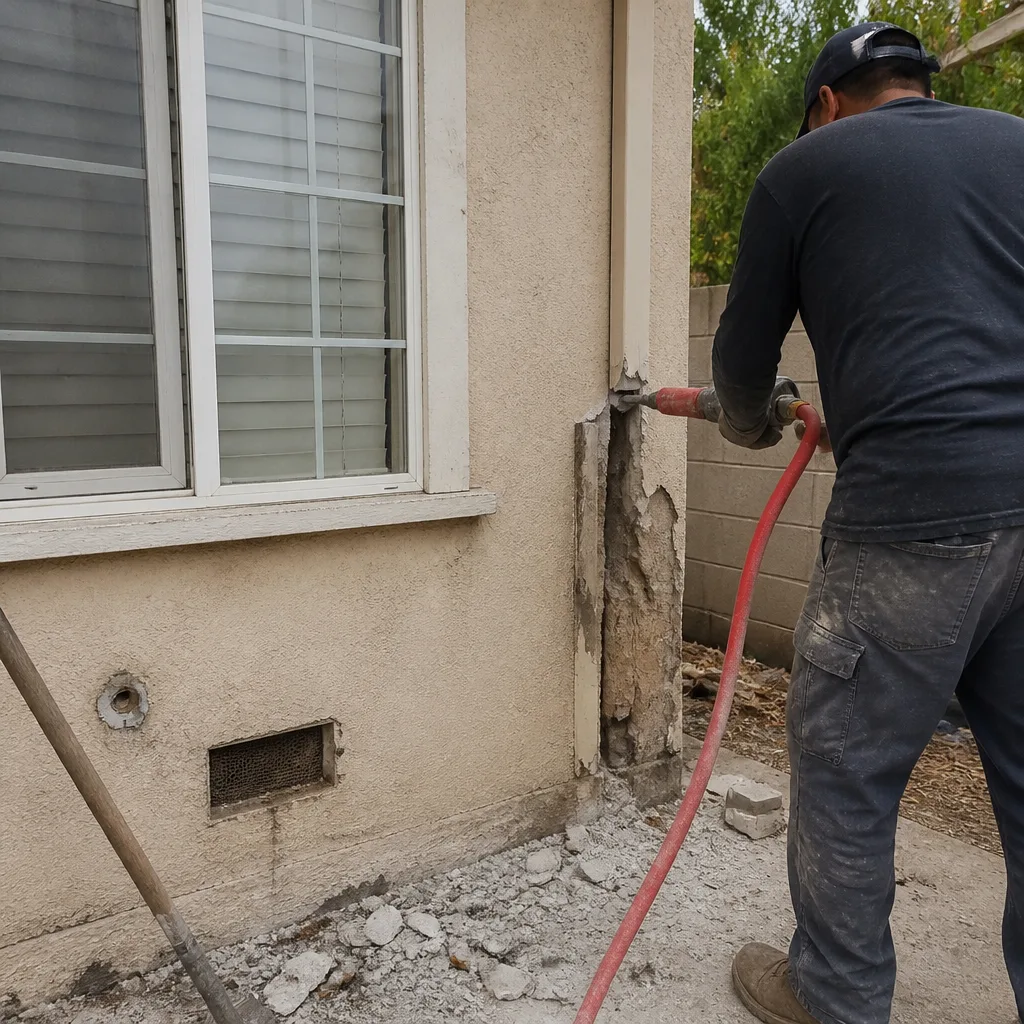 Before
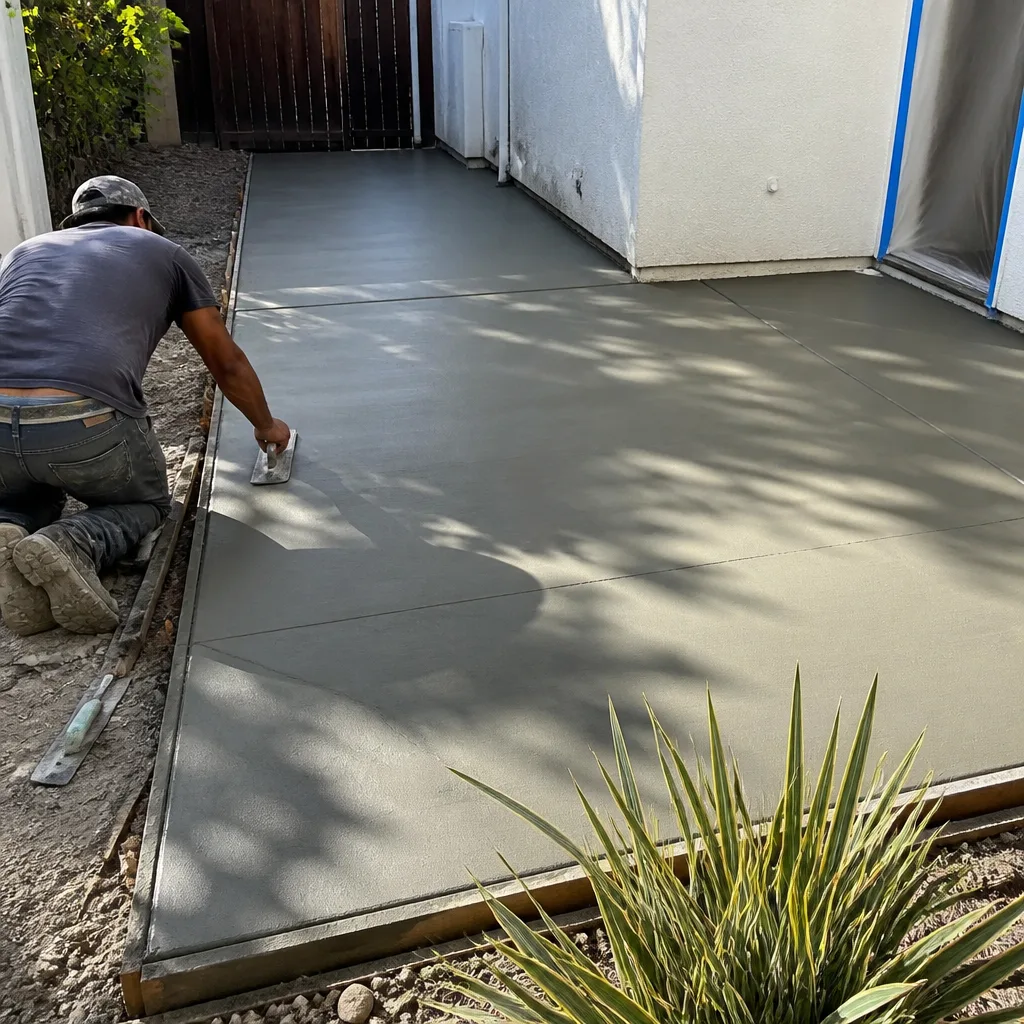 After
After Before
 After
After Before
 After
After