Last updated October 16, 2026








Free written scope consultation - allowances, timeline, and change-order rules on paper before a single trade is scheduled
Construction Warning Signs: A Fresno Homeowner’s Reference Guide
Here’s a statistic that should stop every Fresno homeowner cold: the most common complaint filed with the California Contractors State License Board isn’t abandonment, and it isn’t outright fraud. It’s “failure to complete the project in a workmanlike manner.” That’s legal phrasing for work that looked acceptable on the surface but started failing once the crew was gone and the final check had cleared. By the time the grout cracks or the paint bubbles, the contractor who did the work is often unreachable.
This guide is different from the generic “watch out for bad contractors” articles you’ll find elsewhere. It’s organized by the stage of a job at which warning signs typically appear, from the first bid to the warranty period after the final inspection. You’ll learn what to look for at each phase, what California law actually says about your rights, and what specific red flags we’ve seen repeatedly across Fresno neighborhoods from Clovis to Tower District to Woodward Park. By the end, you’ll know how to spot a problem before it costs you money.
Styles & brands we work with







Quick Answer
The warning signs that a construction project in Fresno is heading toward trouble fall into five stages: bids that arrive verbally or without line-item detail, contracts with vague scope language or front-loaded payment schedules that exceed California’s 10% deposit limit, crews working without a posted permit, change orders delivered verbally after work is already done, and contractors who disappear once the punch list is signed. A legitimate contractor will provide a written price before work starts, pull permits, reference contract line items on every invoice, and maintain a physical business address in Fresno County.
Table of Contents
- Pre-Contract Warning Signs: The Bid Itself
- Contract-Stage Warning Signs: What the Paperwork Reveals
- During-Construction Warning Signs: On the Job Site
- Billing Warning Signs: Invoices and Change Orders
- Post-Project Warning Signs: The Warranty Period
- What California Law Gives You When Things Go Wrong
- Common Mistakes to Avoid
- When to Call a Professional
- Frequently Asked Questions
- The Bottom Line
Pre-Contract Warning Signs: The Bid Itself
The warning signs start before you’ve signed anything, often before you’ve even met the contractor in person. A bid is a contractor’s first opportunity to show you how they operate, and the ones who operate sloppily show it immediately. In Fresno’s competitive remodeling market, where general contractor services in Fresno range from one-man operations to established firms like Bradford Remodeling Co Fresno, the differences in how bids are prepared tell you a lot about how the job will run.
Verbal Bids or One-Line Numbers
If a contractor gives you a price verbally and won’t put it in writing, that’s a hard stop. A verbal bid has no legal weight under California contract law, and it’s the first sign that this contractor doesn’t want a paper trail. The same applies to a bid that arrives as a single number with no breakdown: “Your kitchen remodel will cost $38,000.” What does that cover? Which cabinets? What countertop material? What’s the demolition cost? A responsible contractor provides a line-item bid that separates materials, labor, permits, and subcontractor fees. If the number can’t be explained, the price will almost certainly move once work starts.
Cash Payment Requests
Any contractor who asks for cash payments, especially for the deposit or for materials, is sending a signal that they don’t want the transaction documented. California law limits the down payment on a home improvement contract to 10% of the total project cost or $1,000, whichever is less. A contractor asking for cash is often trying to sidestep taxes, workers’ compensation insurance, or both. It also leaves you with no paper trail if the job goes sideways and you need to file a complaint or pursue a claim. Legitimate contractors in Fresno accept checks, credit cards, and bank transfers because they want the record as much as you do.
No Physical Business Address
Ask for a physical business address in Fresno County. Not a PO box, not a UPS store mailbox, not just a cell phone number. A contractor who operates only from a truck and a burner phone is hard to find when something goes wrong. The CSLB requires licensed contractors to maintain a verifiable business address, and every legitimate operation in Fresno has one, whether it’s a storefront off Shaw Avenue or an office in the Herndon corridor. If the contractor hesitates or gives you an address that turns out to be a mailbox rental, walk away.
“We’ll Figure Out the Details Later”
This phrase is the pre-contract version of a vague scope. It usually means the contractor is bidding low to get the job and plans to make up the difference through change orders once demolition starts. A responsible contractor wants every detail nailed down before work begins because they want to give you a written price that holds. When someone tells you the material specifications, finish selections, or permit requirements can wait until after you sign, they’re telling you the contract won’t mean much once the work starts.
Contract-Stage Warning Signs: What the Paperwork Reveals
Once you have bids in hand and you’re ready to sign, the contract becomes the most important document in the project. It’s also where some of the most damaging warning signs hide in plain sight. A contract is supposed to protect both parties, but a badly written one protects nobody, and a deliberately vague one protects only the contractor. Read it carefully, and read every page, because what’s missing matters as much as what’s there.
Payment Schedules That Violate the 10% Deposit Limit
California Business and Professions Code Section 7159 is clear: a contractor cannot collect more than 10% of the total project cost or $1,000, whichever is less, as a down payment before work begins. Some contractors know this and structure their payment schedule to get around it by front-loading the early progress payments. A contract that demands 30% at signing, 30% at “mobilization,” and 30% after “rough-in” is asking you to finance the contractor’s other jobs. A reasonable payment schedule in Fresno follows the actual progress of the work, with the largest payment held until the project is substantially complete. If the payment schedule looks like the contractor is trying to get paid ahead of the work, that’s a warning sign.
Vague Scope Language
“Complete kitchen remodel” is not a scope of work. It’s a wish. A real scope of work specifies what’s being demolished, what’s being built, what materials are being used, and who’s responsible for what. It names the cabinet line (KraftMaid, Wellborn), the countertop material (Cambria, Caesarstone), the fixture brands (Kohler, Moen), and the paint grades. Without that specificity, the contractor can substitute cheaper materials and you’ll have no recourse because the contract didn’t prohibit it. The vague scope is the foundation of the surprise invoice. Don’t sign a contract that doesn’t list materials by name or at least by grade and specification.
No Permit Fee Line Item
Every legitimate contract for work that requires permits should include a line item for permit fees, and it should be a specific number tied to the City of Fresno’s fee schedule. If the permit fee line is missing, the contractor is either planning to work without permits (illegal and dangerous) or planning to surprise you with the fee later as a change order. The City of Fresno requires permits for most structural work, electrical, plumbing, and mechanical changes. When we bid a kitchen remodeling project in Fresno, the permit fees are listed on the bid and in the contract. That’s how it should work. If the contractor says “we’ll handle permits later” or “you don’t need a permit for this,” check with the city yourself.
Missing or Vague Warranty Language
California law requires contractors to provide a warranty of one year for “fit and finish” on all work performed, but the contract should state this explicitly. If the contract doesn’t mention a warranty at all, or if the warranty language is so vague it can’t be enforced (“contractor will correct any issues at their discretion”), that’s a problem. A written warranty should state what’s covered, for how long, and what the process is for making a claim. It should be detailed enough that you and the contractor both know what happens if the grout cracks or the door binds. When a contractor won’t put a warranty in writing, it’s because they don’t intend to honor one.
During-Construction Warning Signs: On the Job Site
Once the contract is signed and work begins, a new set of warning signs appears, and these are the ones that separate a disciplined operation from a chaotic one. You’ll see them in how the crew works, how the site is managed, and how the contractor handles the inevitable small problems that come up on every job. In Fresno, the summer heat and the valley’s clay soil add specific stresses that make job site discipline even more important.
No Posted Permit
The City of Fresno requires that building permits be posted at the job site, visible from the street, for the duration of the work. If there’s no permit posted, one of two things is happening: the contractor didn’t pull one, or they pulled one and aren’t following the posting requirement. Both are bad signs. A contractor working without a permit is violating the law and putting you at risk, because unpermitted work can void your homeowner’s insurance and create problems when you sell the house. If you’re doing a home remodeling project in Fresno and there’s no permit card on the window or fence, call the contractor that day and ask to see it.
Subcontractors Who Don’t Know the General Contractor
When a subcontractor shows up at your door and can’t tell you the name of the general contractor who hired them, that’s a red flag. It usually means the contractor is subbing out work to whoever is available, often through a second or third layer of middlemen, and that nobody is managing quality or accountability on the job. Subcontractors should arrive knowing the scope of their work, what the day’s schedule is, and who their point of contact is. They should also be licensed, insured, and covered by workers’ compensation, which the general contractor is responsible for verifying. If the tile guy doesn’t know who he’s working for, the job is running on chaos, not discipline.
Failed Inspection Without Correction Documentation
Inspections fail all the time, even on well-run jobs. What matters is how the contractor responds. A responsible contractor gets the correction list, fixes every item, schedules a reinspection, and shows you the inspection report with the passed stamp. An irresponsible contractor works through a failed inspection, covers the failed work with drywall or flooring, and hopes nobody notices. If an inspection fails and the contractor just keeps working without providing documentation of the corrections and the passed reinspection, you have a serious problem. Under California law, the person who pulls the permit is responsible for ensuring the work passes inspection. If that person is the contractor, they’ve just put you in the position of owning unpermitted, un-inspected work.
Unlicensed Workers On Site
Every person working on your Fresno home should be either a licensed contractor or an employee of a licensed contractor who carries workers’ compensation insurance. If the crew is made up of day laborers picked up at a corner, and one of them gets hurt on your property, you could be liable. A disciplined contractor verifies licensing and insurance for every person who sets foot on the job site. Bradford Remodeling Co Fresno sends background-checked, uniformed technicians to every job so homeowners know exactly who is walking through their door, and that standard is set at the Garrison Partners level, not left to individual job sites.
Billing Warning Signs: Invoices and Change Orders
Money is where bad contractors show their true nature. The way a contractor bills you, handles changes, and manages payments tells you whether they’re running a business or running a hustle. In Fresno, where the cost of a major remodel can exceed $100,000, small percentage differences in billing practices add up to real money, and the warning signs in this stage of the job are the ones that most often lead to disputes.
Change Orders Delivered Verbally
A change order is a written document that modifies the scope of the project and the price. It should be signed by both parties before the changed work begins. A contractor who says “Hey, we found some rot in the wall, we’re going to have to add $2,400, I’ll put it on the invoice” is not doing you a favor by moving quickly. They’re skipping the paperwork so they don’t have to get your write-in approval at a moment when you can actually think about it. A written change order should describe the added scope, the added cost, and the added time, and it should be signed by you before the work proceeds. Anything less is a billing dispute waiting to happen.
Invoices That Don’t Reference the Contract
Every progress invoice should reference the contract and the specific line items it’s billing against. An invoice with a single line that says “progress payment – $15,000” gives you no way to verify what you’re paying for. A legitimate invoice ties each charge back to the scope of work in the contract, shows the percentage of completion for each line item, and clearly states what’s already been paid and what remains. At Bradford Remodeling Co Fresno, every price gets put in writing before any work starts, and every invoice references that written price. That’s the Garrison Standard: no numbers that move at the door, no invoices that can’t be reconciled against the contract.
Final Payment Before Punch List Sign-Off
This is the most common endgame of a bad contractor: the work is “done,” the contractor wants the final payment, but there’s still a list of small items that need to be corrected. The standard practice in residential construction is that you don’t pay the final amount until the punch list is complete and you’ve signed off on it. A contractor who pushes for final payment while the punch list is still open is telling you they don’t plan to come back after the check clears. Hold the final payment until the punch list is done, inspected, and signed. It’s the strongest leverage you have, and a disciplined contractor doesn’t have a problem with it because they plan to finish the work anyway.
Material Substitutions Without Documentation
If the contract specifies KraftMaid cabinets and the boxes that arrive say something else, you’ve got a problem. Material substitution without written approval is a breach of contract, but it happens all the time, and most of the time the homeowner doesn’t notice until the cabinets are installed and the contractor is gone. A legitimate contractor documents every substitution with a written change order that shows the switch, the cost difference, and your signed approval. Bradford Remodeling Co Fresno works with a documented roster of name-brand materials including Ameristar, Jerith, Bufftech, and ActiveYards, among others, because specifications should be traceable and quality should not be left to guesswork.
Post-Project Warning Signs: The Warranty Period
The job’s done, the final inspection passed, and you’ve paid the final invoice. If the contractor was legitimate, this is the beginning of the warranty period, not the end of the relationship. If the contractor was not, this is when they disappear. California law gives you specific rights during this period, and the warning signs that appear after the project is complete are often the most costly because the contractor is already paid.
Unreachable After the Final Check
If the contractor’s phone goes to voicemail after the final payment clears, and the voicemail never gets returned, you’ve got the most common post-project warning sign. It usually means the contractor was working without enough margin to stand behind their work, or they simply don’t intend to. California law requires a one-year fit and finish warranty on all work performed, which means the contractor is legally obligated to return and correct any work that doesn’t hold up. A legitimate contractor honors this obligation, which is why Bradford Remodeling Co Fresno puts a 365-Day Done Right Promise on every project: if it’s not done right, we make it right, and every completed project carries a full-year written guarantee. If the work fails inside that window, we come back and correct it at no charge.
Early Failure: Grout Cracking Within 90 Days
Fresno’s climate puts real stress on tile work. The Valley’s hot summers and cool winters cause the clay soil underneath foundations to expand and contract, and that movement travels up through the walls. If your new grout starts cracking within 90 days of installation, that’s not normal settling, it’s a problem. It usually means the tile substrate wasn’t prepared correctly, the wrong mortar was used, or the tile was installed over a surface that was never properly leveled. Grout that cracks that quickly is a sign of workmanship failure, and it falls squarely under California’s one-year warranty. Take photos, document the date you noticed the cracking, and contact the contractor in writing.
Paint Peeling Within One Season
Paint should last years, not months. If your exterior paint starts peeling within a year, the surface preparation was wrong, the wrong primer was used, or the painter cut corners on materials. This is especially common in Fresno’s summer heat, where surfaces can reach 140 degrees and cheap paint simply can’t hold up. Interior paint peeling is almost always a surface preparation issue. Either way, peeling within one season is a warranty issue, and the contractor is obligated to fix it. If they won’t return your calls, start documenting everything: photos with dates, records of your calls, copies of the contract and the warranty.
Passed Inspection But the Work Was Never Actually Inspected
This is a subtle one, and it happens more often than most homeowners realize. The contractor tells you the work passed inspection, but you never saw an inspector at the house, and you can’t find the inspection record. It’s possible the inspection was scheduled and completed without you noticing, but if the contractor can’t produce the signed inspection card or the city’s online record doesn’t show a passed inspection for the permitted work, something’s wrong. In Fresno, you can verify inspection records through the City of Fresno’s building division. A passed final inspection is the city’s sign-off that the work meets code. If that sign-off never actually happened, the contractor owes you an explanation, and you might be sitting on unpermitted work.
What California Law Gives You When Things Go Wrong
When a project goes bad, you’re not on your own. California has some of the strongest consumer protection laws for construction in the country, and knowing what they provide gives you real leverage. Here’s what the law actually says, in order of what to use first.
- The one-year fit and finish warranty: California Civil Code Section 896 requires a one-year warranty on all work performed by a licensed contractor. This covers any work that fails to hold up under normal use, including grout cracking, paint peeling, doors that bind, and cabinets that fall off their hinges. The contractor must correct the work at their own cost. This warranty exists whether or not it’s written into the contract, though a written warranty is easier to enforce.
- The CSLB complaint process: The Contractors State License Board accepts complaints against licensed contractors for everything from abandonment to substandard work. Filing a complaint doesn’t cost you anything, and the CSLB has the authority to suspend or revoke a license. A complaint to the CSLB often gets a contractor’s attention in a way that your phone calls can’t.
- Small claims court: In California, small claims court handles disputes up to $12,500, and you don’t need a lawyer. Bring your contract, your invoices, your photos, and your documentation of the calls you made, and let the judge decide. Most bad contractors would rather settle than show up in court.
- The Contractor State License Bond: Every licensed contractor in California is required to post a $25,000 license bond. If the contractor has violated the law, you can make a claim against the bond. It’s a real mechanism for recovering money, and most homeowners don’t know it exists.
- Mechanics lien protection: If the contractor walks off the job, they can’t file a valid mechanics lien against your property for work that wasn’t completed. If a lien does get filed, you have the right to contest it, and a contractor who files a fraudulent lien faces serious penalties.
The most important thing to understand is that all of these remedies require documentation. The contract, the change orders, the invoices, the inspection reports, the photos, the log of your calls. Every piece of paper is a weapon. That’s why the warning signs in this guide all point in the same direction: written everything, from the first bid to the final punch list.
Common Mistakes to Avoid
- Accepting the lowest bid without comparing scope. In Fresno’s competitive market, bids for the same project can vary by 30% or more. The low bid usually means the contractor is leaving out line items they plan to add later as change orders, or they’re using cheaper materials than you specified. Compare bids line by line, not bottom line to bottom line.
- Paying too much up front. The 10% deposit limit exists for a reason, and contractors who push past it are either cash-strapped or planning to string you along. Never pay more than the law allows, and tie every progress payment to completed, inspected work.
- Skipping the permit because the contractor says it’s unnecessary. In California, the homeowner is ultimately responsible for ensuring permits are pulled, even if the contractor says they’re handling it. If the city finds unpermitted work, you’re the one who pays the fines and the cost to bring it up to code.
- Signing a contract without reading every page. California contracts for home improvement are required by law to include specific disclosures, including your right to cancel, the contractor’s license number, and the total price. If those items are missing, the contract may be unenforceable, but you don’t want to find that out in court.
- Skipping the punch list because the work “looks fine.” The punch list is your last opportunity to get small items corrected before the contractor has your money. Walk the job with the contractor before final payment, write down every issue, and don’t pay the final invoice until everything is done.
- Not saving documentation. Every contract, change order, invoice, inspection report, email, and text message is part of your file. If something goes wrong, that file is what turns a “he said, she said” dispute into a winnable case. Save everything until the warranty period expires.
- Hiring a contractor who isn’t licensed in California. It’s the single most preventable mistake, and it still happens every day in Fresno. Check the CSLB license database before you sign anything, and verify that the license number matches the name on the contract. An unlicensed contractor is a thief in flip-flops.
When to Call a Professional
Some things you handle yourself, and some things you bring in a professional. If you’re seeing warning signs on your current project, the time to call is now, not after the work is done and the money is gone. A licensed contractor can review your contract, inspect the work that’s been completed, and tell you honestly where things stand. If you haven’t started a project yet, a professional can help you avoid these warning signs entirely by putting together a bid that’s specific, a contract that’s enforceable, and a schedule that’s realistic-read more in our DIY vs Professional Construction: The Fresno Homeowner’s Decision Guide. Bradford Remodeling Co Fresno offers free estimates in Fresno, and every estimate includes a written price before any work starts. Call (559) 785-2712 if you have questions about a project, a contract, or a contractor who’s showing these signs.
Frequently Asked Questions
In California, a contractor can collect no more than 10% of the total contract price or $1,000, whichever is less, as a down payment before work begins. This is state law under Business and Professions Code Section 7159, and it applies to every home improvement contract in Fresno. Any contractor asking for more than this is violating the law. Call (559) 785-2712 to schedule a free estimate with a contractor who follows the rules.
If work has started without a permit and one is required, you should stop the work immediately and contact the City of Fresno’s Building and Safety Division. The homeowner is ultimately responsible for ensuring permits are pulled, and unpermitted work can void your insurance and complicate a future sale. A licensed contractor should handle the permit process for you, and the permit should be posted at the job site.
Yes, you can terminate a contractor at any time, but you’re responsible for paying for work that has been properly completed up to the date of termination. Document everything before you fire them: photos of the site, a list of completed work, and copies of all invoices and payments. You’re also required to provide written notice of termination. If the contractor walks off the job without cause, you may have a claim against their license bond.
A change order is a written document that modifies the scope and price of the project, and it must be signed by you before the changed work begins. An invoice is a bill for work already performed. A reputable contractor will never deliver a change order after the work is done, and every invoice should reference the line items in the original contract plus any approved change orders. If you’re seeing charges on an invoice that were never documented in a change order, you should question them.
California Civil Code Section 896 gives you a one-year warranty on fit and finish from the date the work is completed. Structural defects have a longer window, up to ten years for certain issues under the Right to Repair Act. For everything else, document the defect with photos and dated notes, and notify the contractor in writing as soon as you notice it. The sooner you report, the harder it is for the contractor to deny responsibility.
Bradford Remodeling Co Fresno is based in Fresno and serves homeowners across the metro area, with a focus on general contracting, kitchen remodeling, and whole-home remodeling. Led by Curtis Lane, we’ve been part of the Garrison Partners family since 2004, and every project receives a written price before work begins and a 365-Day Done Right Promise when the work is complete. Call (559) 785-2712 for a free estimate.
The Bottom Line
The warning signs of a bad contractor aren’t mysterious, and they don’t require a construction degree to spot. They show up in the bid, in the contract, on the job site, in the invoices, and after the job is done, and each one is visible if you know what to look for. The thread that runs through all of them is paperwork: written bids, detailed contracts, documented change orders, itemized invoices, and a written warranty that means something. A contractor who won’t put it in writing is telling you they don’t want to be held to it. In Fresno, where the market is full of choices, there’s no reason to settle for a contractor who hides behind verbal promises. Demand the paper, document everything, and if you’re unsure about what you’re seeing, get a second opinion before you sign or before you pay. For more guides & resources, visit our blog. The Garrison Standard exists because Curtis Lane has seen what happens when homeowners don’t.
Written by Curtis Lane, Owner at Bradford Remodeling Co Fresno, serving Fresno since 2004.
See the difference
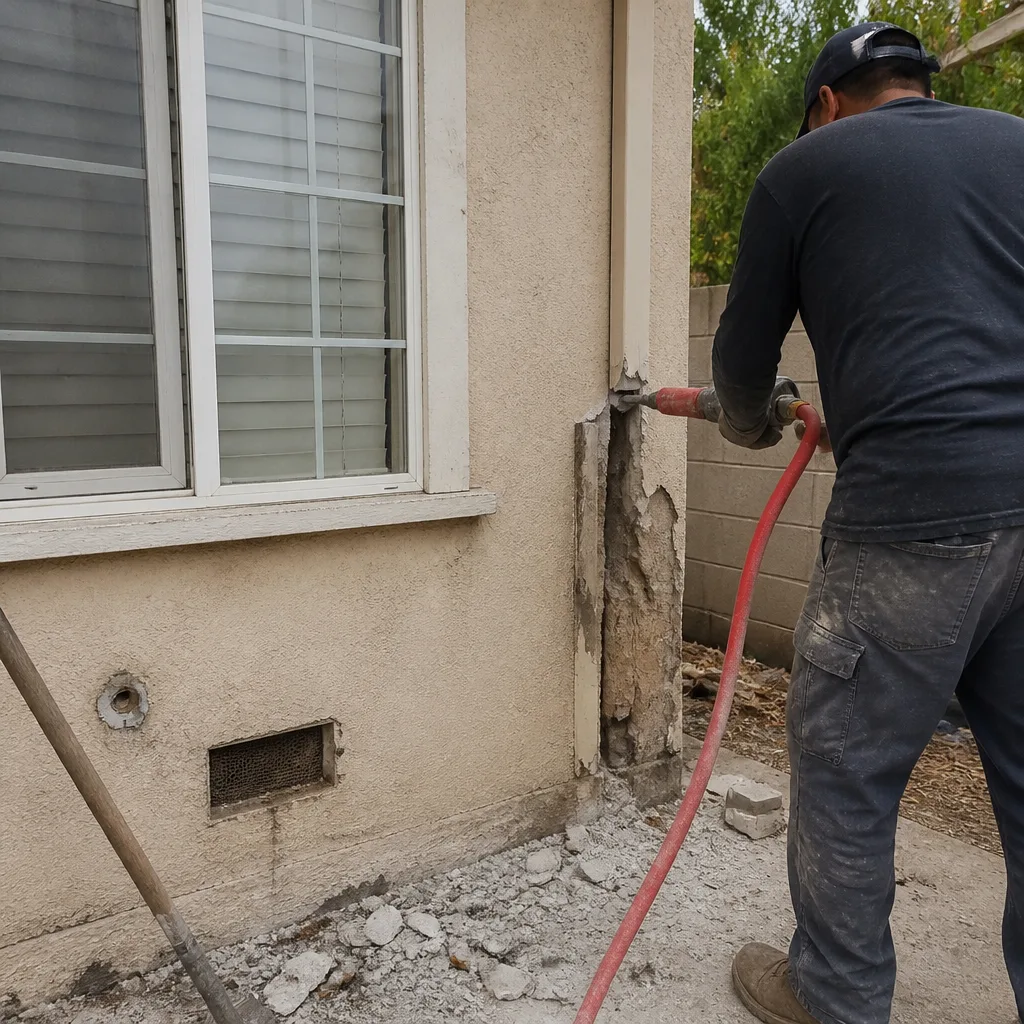 Before
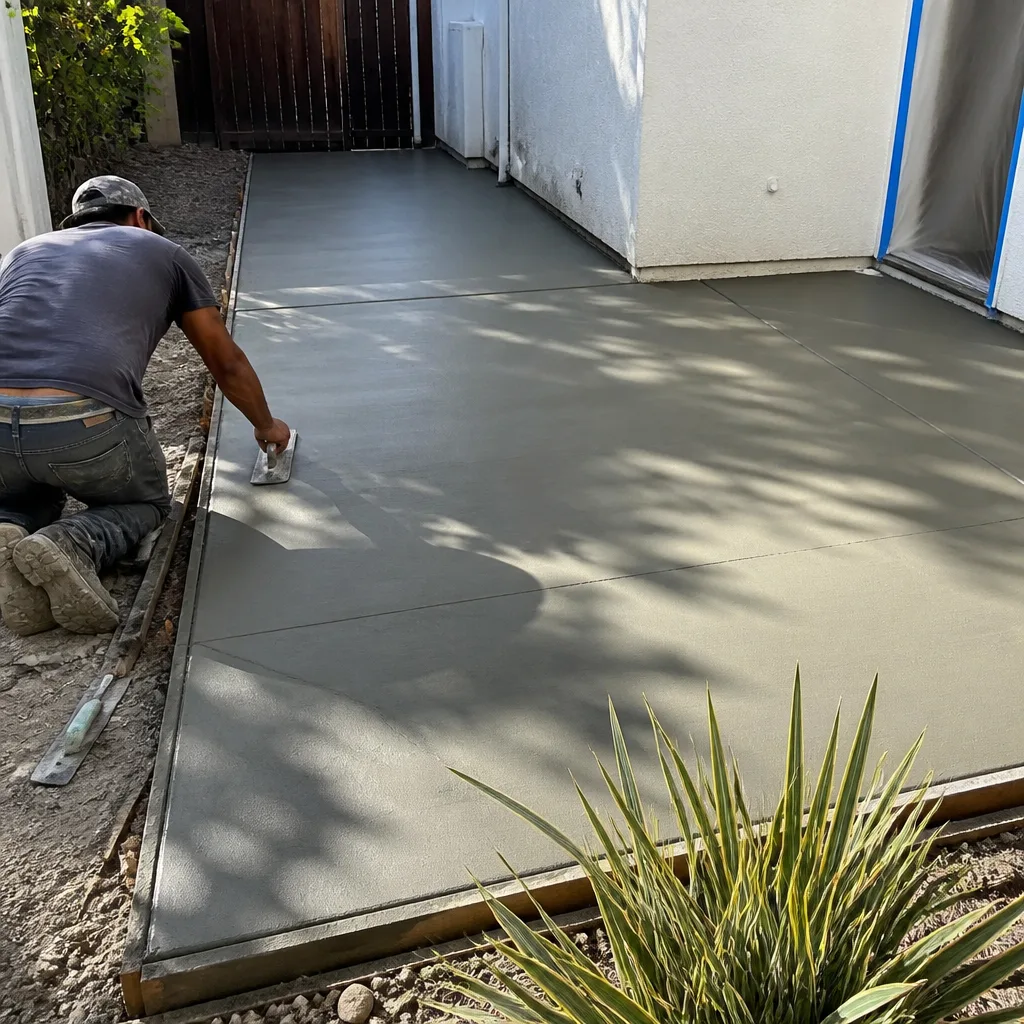 After
After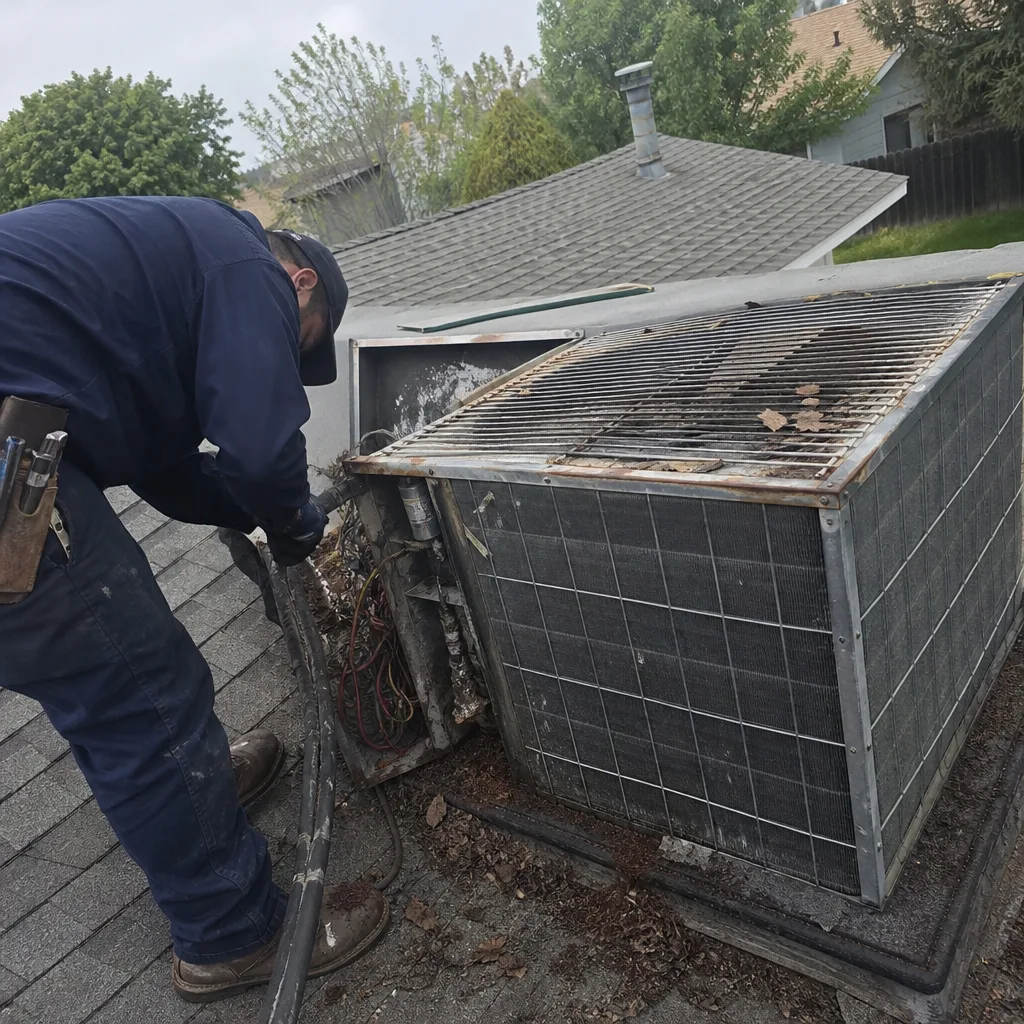 Before
 After
After Before
 After
After