Free written scope consultation - allowances, timeline, and change-order rules on paper before a single trade is scheduled
Quikrete Home Additions & ADU: The Fresno Owner’s Guide
Bradford Remodeling Co Fresno installs and finishes home additions and ADUs built on Quikrete concrete products, with most Fresno projects landing between $45,000 and $130,000 for a complete addition depending on square footage, foundation work, and finish level. We match Quikrete bagged mixes, QUIK-TUBE footing forms, and QUIKRETE 5000 high-strength concrete to your existing slab and foundation conditions so the new structure ties in clean. Most owners call us after noticing a crack pattern in an existing Quikrete slab, a door that’s started binding in a room added years ago, or planning an ADU and wanting the foundation done by a crew that documents everything in writing before the first bag is opened.
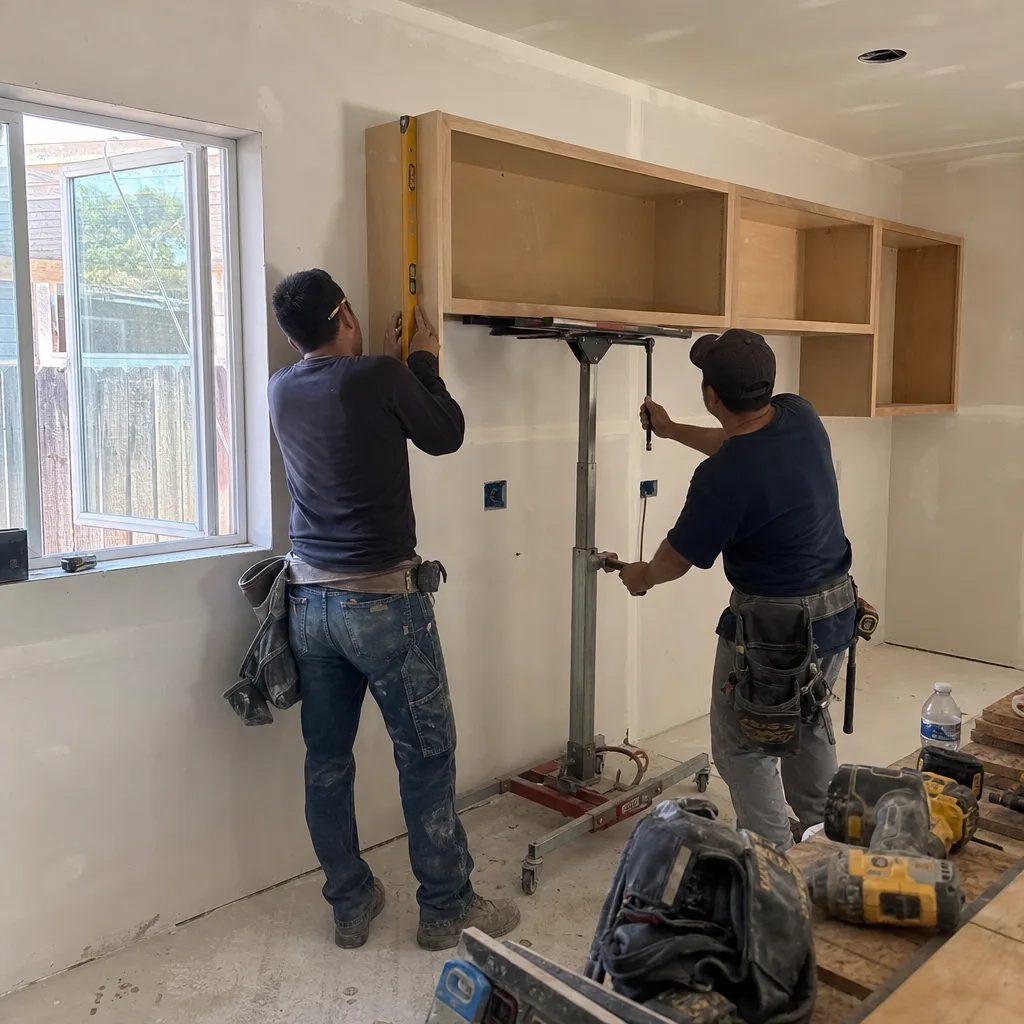
If you’re looking at a failing Quikrete slab, stem wall, or footing under an addition or an ADU in Fresno, the fix usually means cutting out the bad section, compacting the subgrade, and repouring to match the existing elevation. We do that work with a written price up front and a one-year guarantee on the completed job.
Which Quikrete Models This Applies To
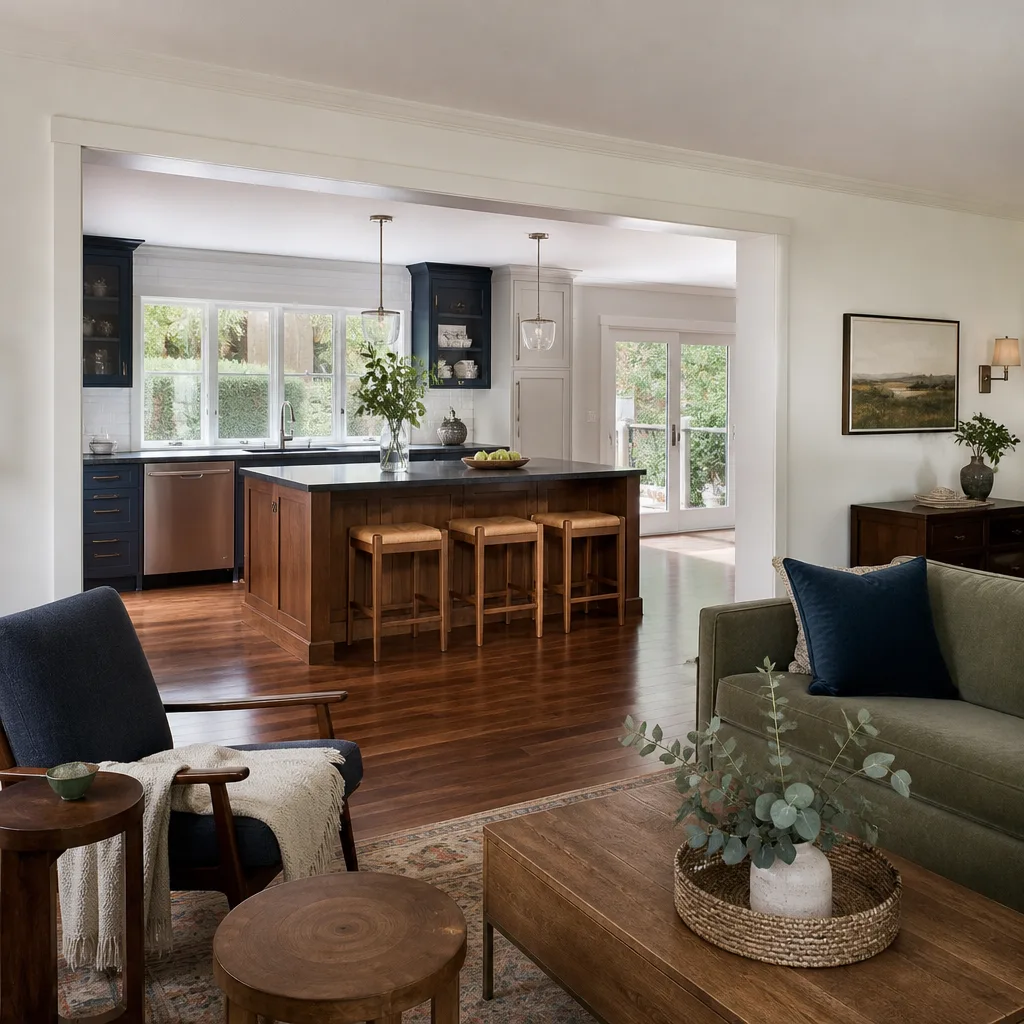
Quikrete doesn’t sell a single “Home Additions & ADU” unit, the way a manufacturer sells a faucet or a window. It sells the concrete materials that additions and ADUs are built on: QUIKRETE 5000 (the 5,000 psi mix spec’d for structural slabs and footings in Central California), QUIKRETE Crack-Resistant Concrete Mix for interior slabs where shrinkage cracking is a known issue, and QUIK-TUBE building forms for poured footings and deck piers.
The compatibility question is not about a model number. It’s about what’s already in your ground and what the new work has to tie into. In Fresno, we see a lot of slabs poured in the 1970s and 1980s with a 3,000 psi mix, sometimes over expansive clay that moves with winter rain and summer dry spells. If you’re adding on, the new concrete needs to be spec’d to handle that same soil movement. That’s the compatibility gotcha: a bag of Quikrete 5000 mixed to spec will hold 5,000 psi, but if the subgrade under it is a poorly compacted fill, the slab will fail regardless of the mix. We check pad compaction, rebar schedules, and existing slab elevation before we order a single pallet.
On the OEM-versus-aftermarket question: for concrete work, Quikrete is the brand we spec when the project calls for bagged mix, because the plant batch tickets are consistent and the material is available at every Fresno supply yard from Selma to Clovis. There are cheaper bag mixes. We don’t use them on structural work. The savings aren’t worth the risk of a slab that cures weak or finishes rough.
Styles & brands we work with
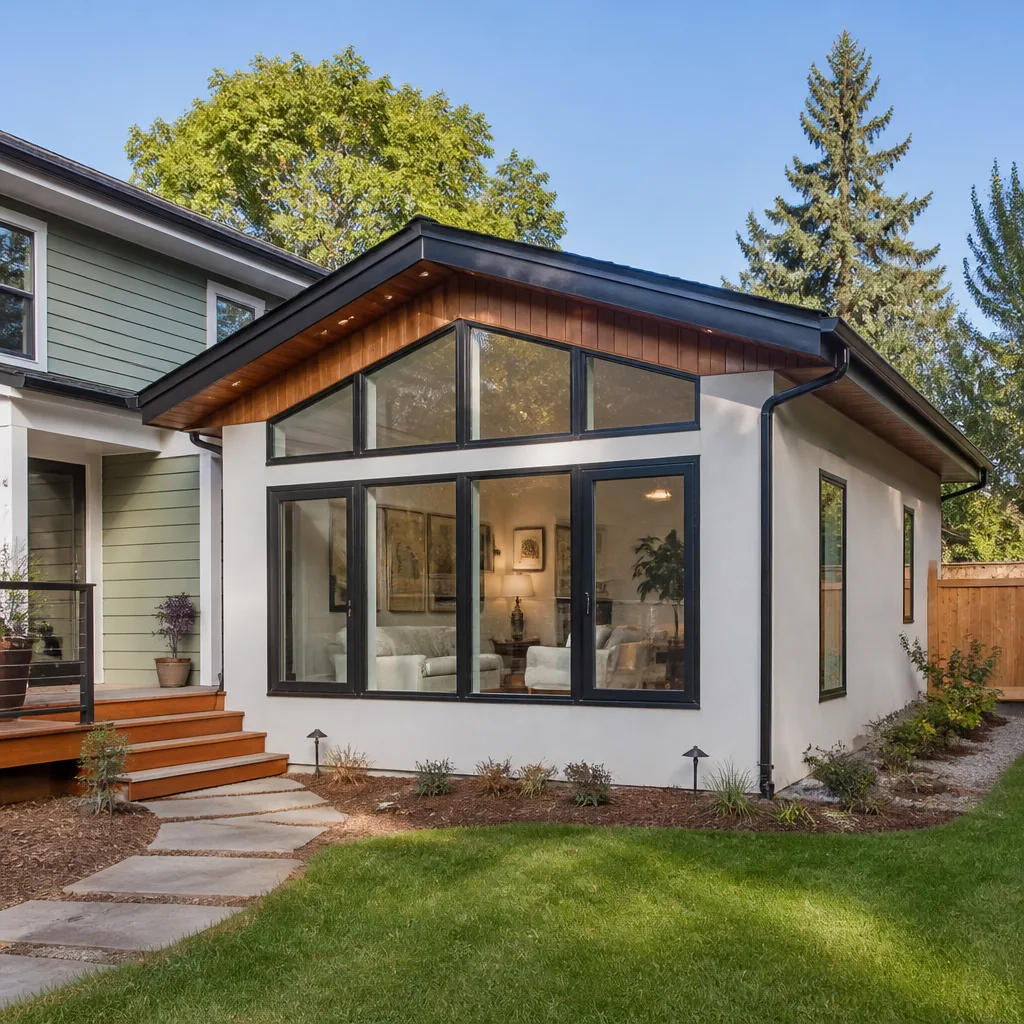
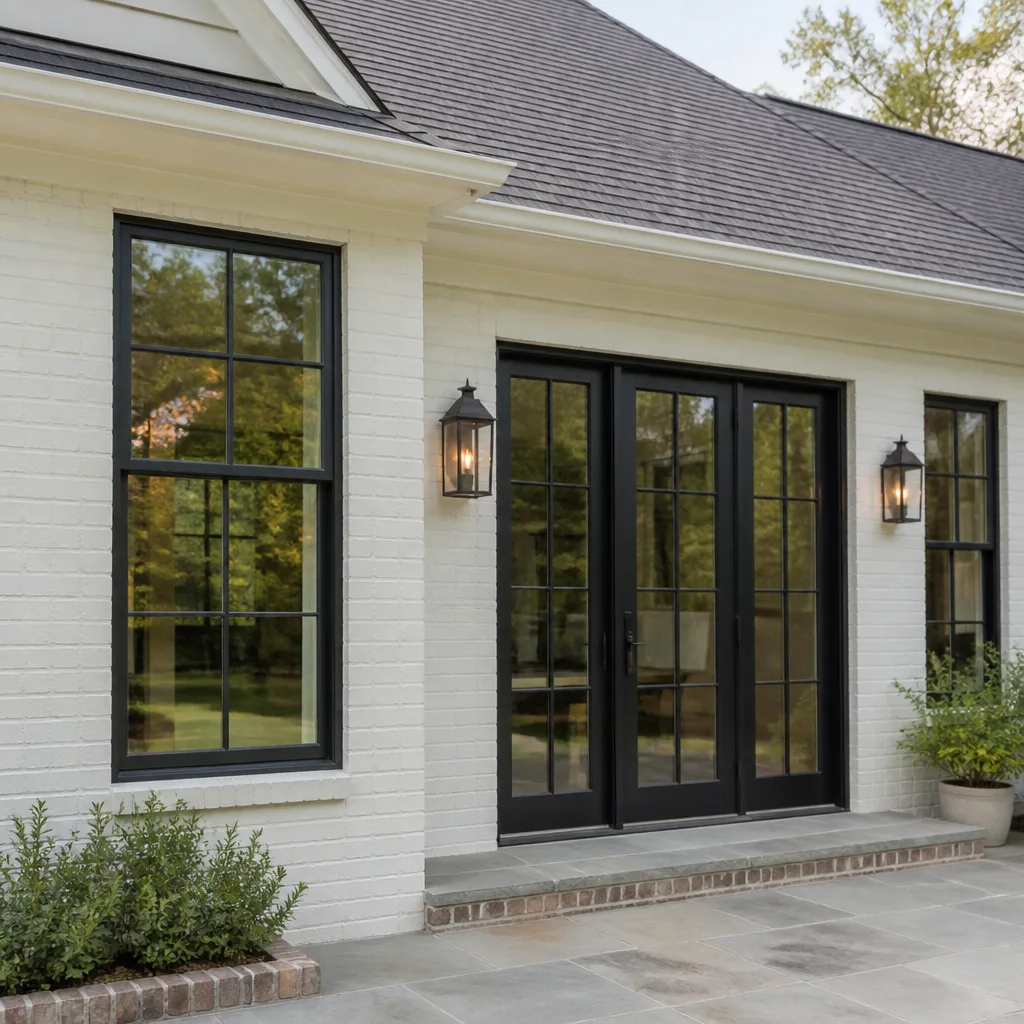
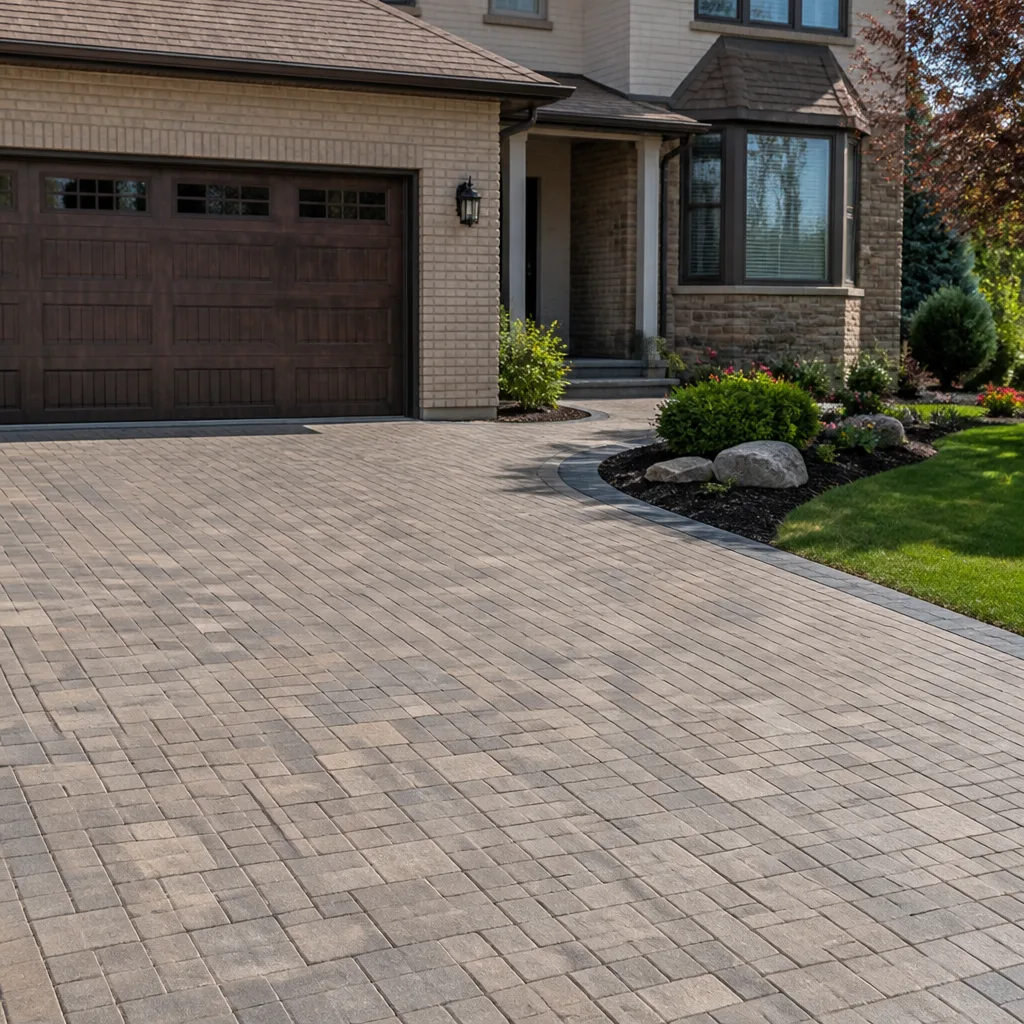
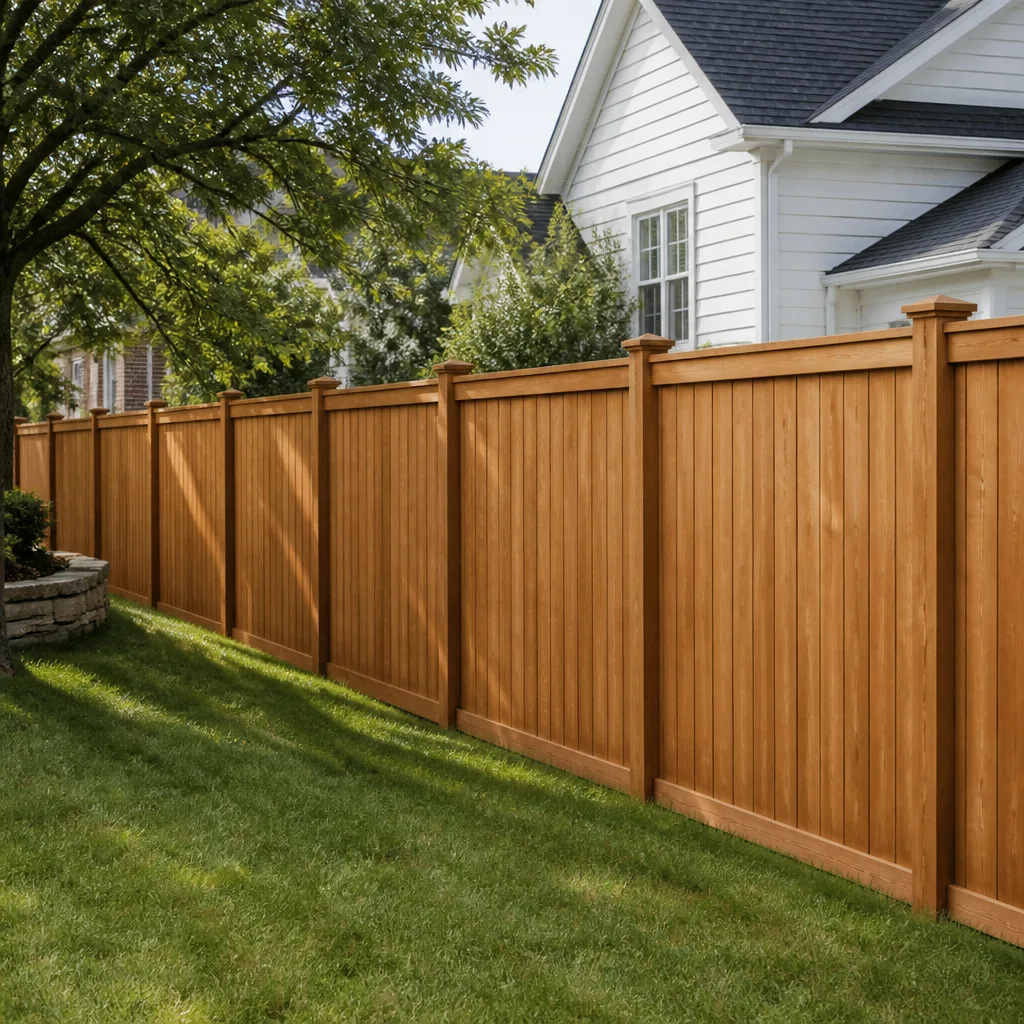
Signs Your Quikrete Home Additions & ADU Is Failing
- A crack that’s grown past 1/8 inch and keeps moving. Concrete shrinks as it cures, so hairline cracks are normal. A crack that widens seasonally, especially after a wet winter, usually means the slab is moving over expansive soil or the original pour didn’t have enough control joints. In Fresno’s clay-heavy neighborhoods like Tower District and Sunnyside, this is the most common failure we see.
- Doors or windows in the addition that suddenly stick or won’t latch. A door that bound up last month and works fine this month is a sign the slab or stem wall is heaving. The frame isn’t the problem. The concrete under it is.
- A hollow sound when you tap the slab with a hammer. A solid slab rings. A hollow thud means the concrete has delaminated from the subgrade or there’s a void forming underneath. Left alone, that void lets water in and the slab eventually drops.
- Efflorescence, the white chalky powder on the surface. Water is moving through the slab and carrying minerals up. One winter of that is cosmetic. Repeated seasons of it mean the vapor barrier under the pour either wasn’t installed or has failed, and the slab is wicking moisture constantly.
- Separation at the joint where the new addition meets the old house. The addition settles at a different rate than the original foundation. A small, even gap can be caulked. A gap that opens and closes with the seasons means the two foundations aren’t moving together, and that’s a structural conversation, not a cosmetic one.
See the difference
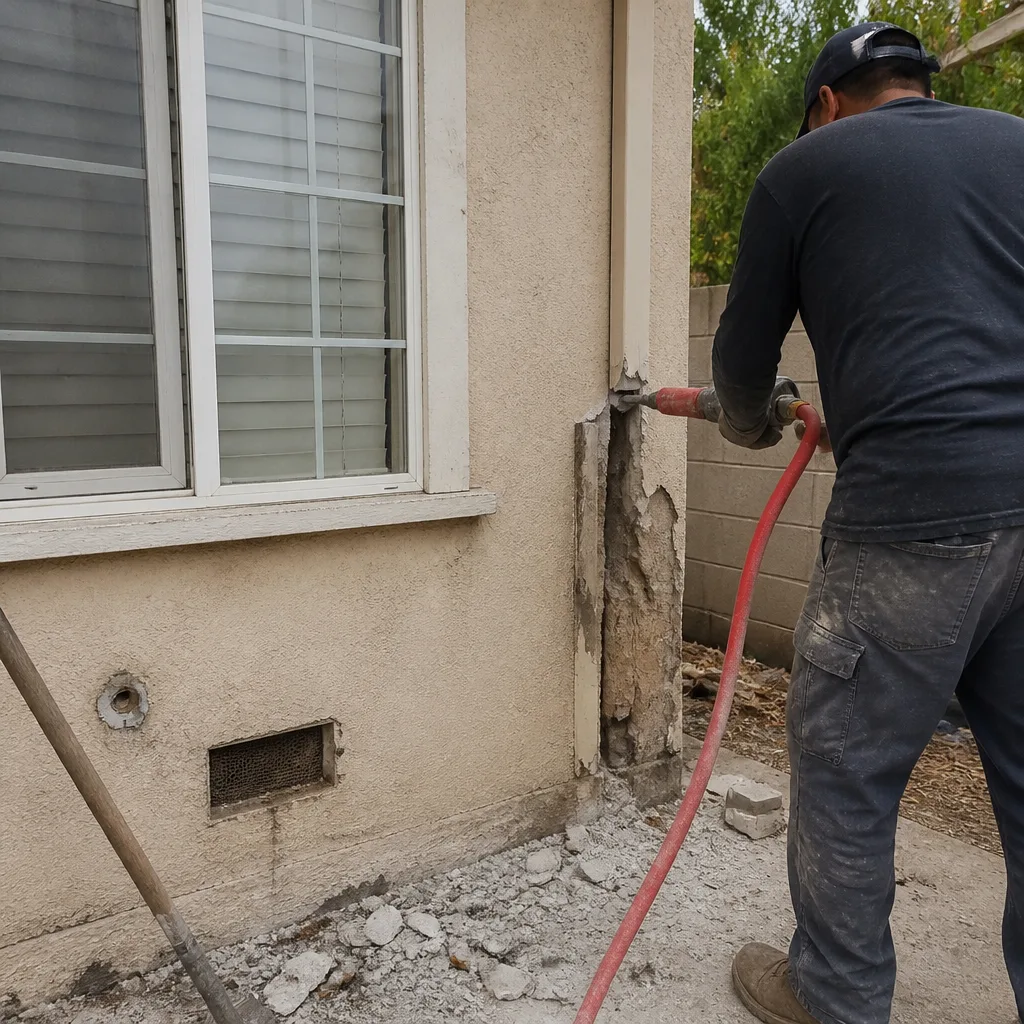 Before
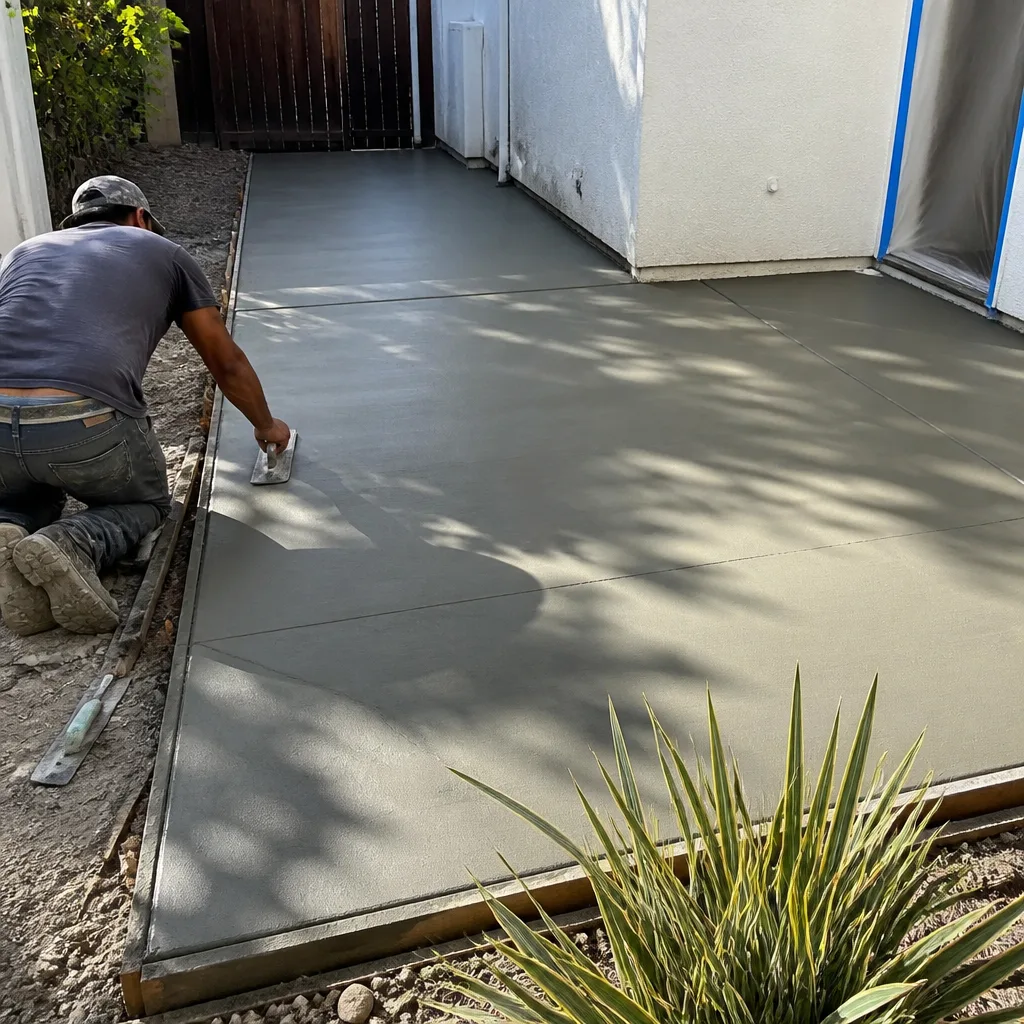 After
After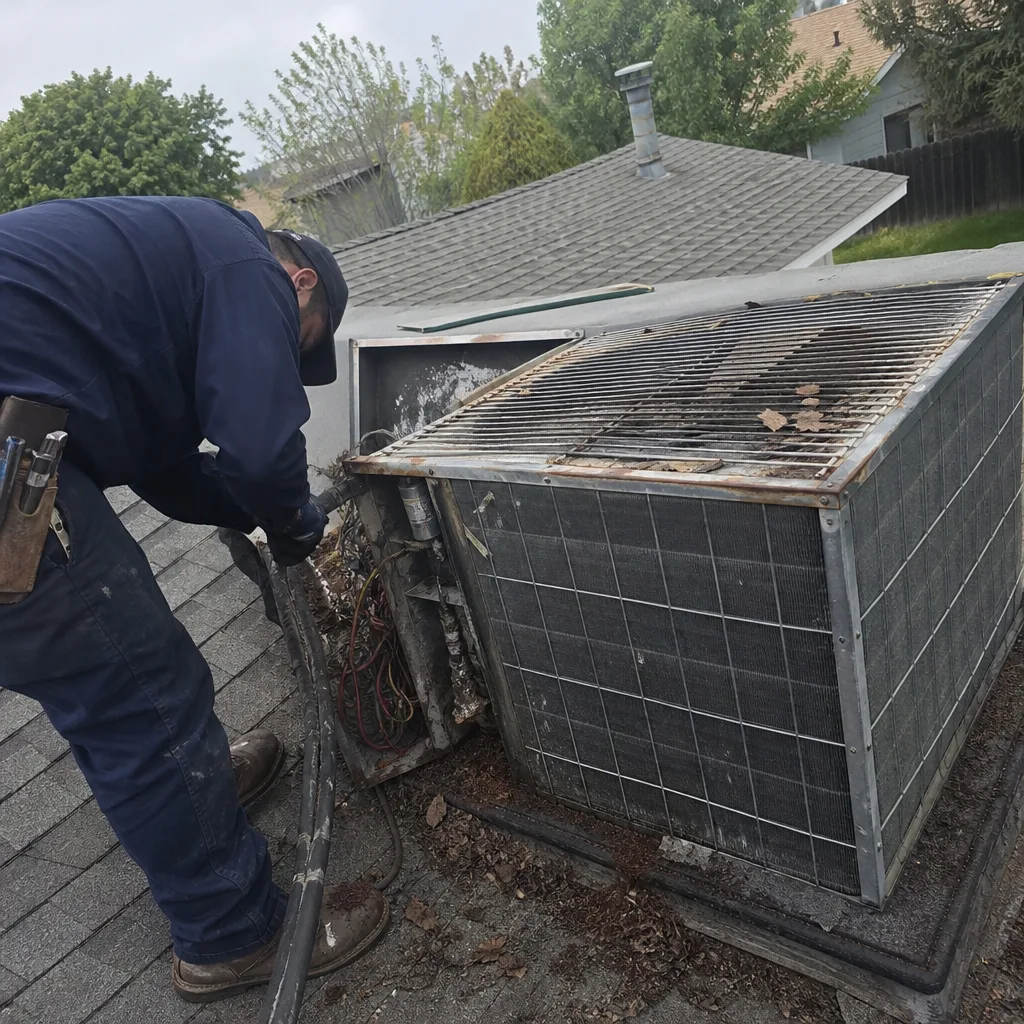 Before
 After
After Before
 After
AfterReplacement Cost & What’s Included
A full home addition in Fresno runs $45,000 to $130,000 installed. An ADU is a different animal entirely: $90,000 to $220,000 when you count design, permits, foundation, framing, mechanical, and finishes. If you’re only repairing a failed section of Quikrete slab or a bad stem wall, the price drops substantially, and that’s where we start most jobs: a surgical repair instead of a full tear-out where the concrete is still sound.
Here’s what drives the range on Quikrete-based addition and ADU work:
- Foundation scope: A slab-on-grade addition costs less than one needing a full stem wall and footing system. ADUs in Fresno often trigger deeper footings depending on soil report findings.
- Square footage and roof line: A bump-out addition is cheaper per square foot than a full new wing because you’re tying into an existing wall and roofline.
- Finish level: The difference between a $45,000 addition and a $130,000 one is usually in the kitchen, bath, flooring, and millwork, not the concrete.
- Site access: A tight backyard in the Tower District with no alley access costs more to excavate and pour than a flat lot in Clovis with driveway access for a pump truck.
Every quote includes the written price before work starts, the material spec (including which Quikrete products we’re using and why), the permit fees, and the labor. If the plan changes mid-job, the price change goes in writing before the work does. That’s The Garrison Standard, not a suggestion.
DIY or Call Us?
You can handle some prep work yourself if you know what you’re looking at. Marking cracked areas with a grease pencil, monitoring whether a crack widens over a month, and keeping water draining away from the slab are all within a homeowner’s wheelhouse. Photograph the damage with a tape measure in the frame so you have a record of movement.
Pouring new concrete under an occupied structure is not a weekend project. Mixing Quikrete 5000 to the right slump, setting forms to the correct elevation, tying rebar with the right lap splices, and finishing a slab so it drains correctly takes a crew that’s done it for years. Get the subgrade wrong and you’ll pay twice: once for the bad pour, then again for the removal and repour. If your addition or ADU foundation is showing real movement, call us at (559) 785-2712 and we’ll give you a straight read on what’s wrong and what it costs to fix.
FAQs
A properly poured and cured Quikrete 5000 slab with good subgrade preparation and rebar can last 50 years or more in Fresno’s climate. What shortens that lifespan here is soil movement from our clay-heavy ground and winter rain cycles. Most slabs we see failing were poured over poorly compacted fill or without adequate control joints.
Yes, when the crack is stable and the slab hasn’t dropped. We can epoxy-inject cracks, grind down minor heaving, and mud-jack sections that have settled. If the crack is still moving or the subgrade has washed out, repair is temporary and replacement is the honest answer. Call (559) 785-2712 and we’ll tell you which category yours falls in.
Excavation, form work, rebar, and the pour for a typical ADU pad in Fresno takes 3 to 5 days depending on access and weather. Concrete reaches about 70% of its design strength in 7 days, so we schedule framing after a week of curing. Full strength comes at 28 days, which is fine because the structure is already going up on it by then.
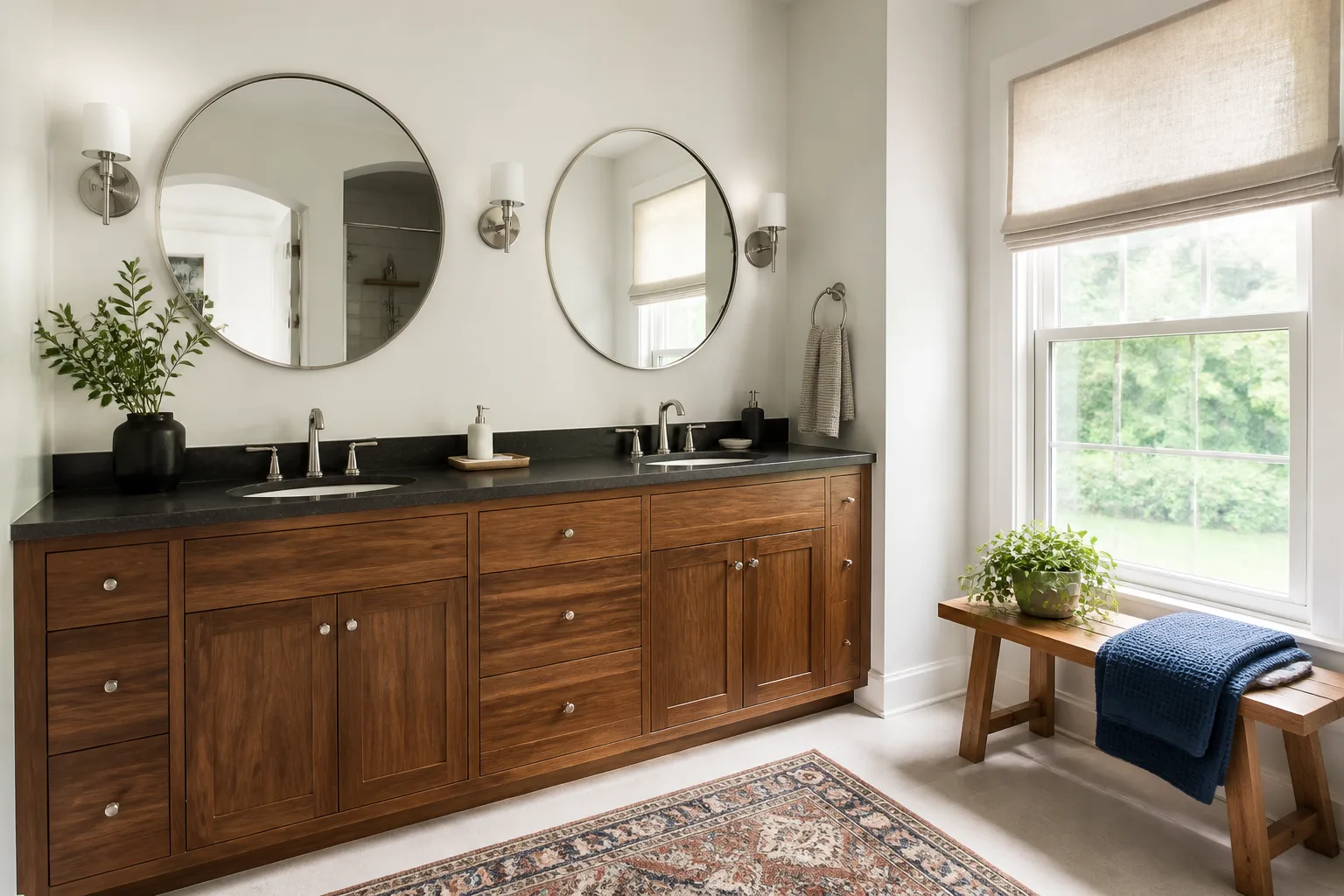
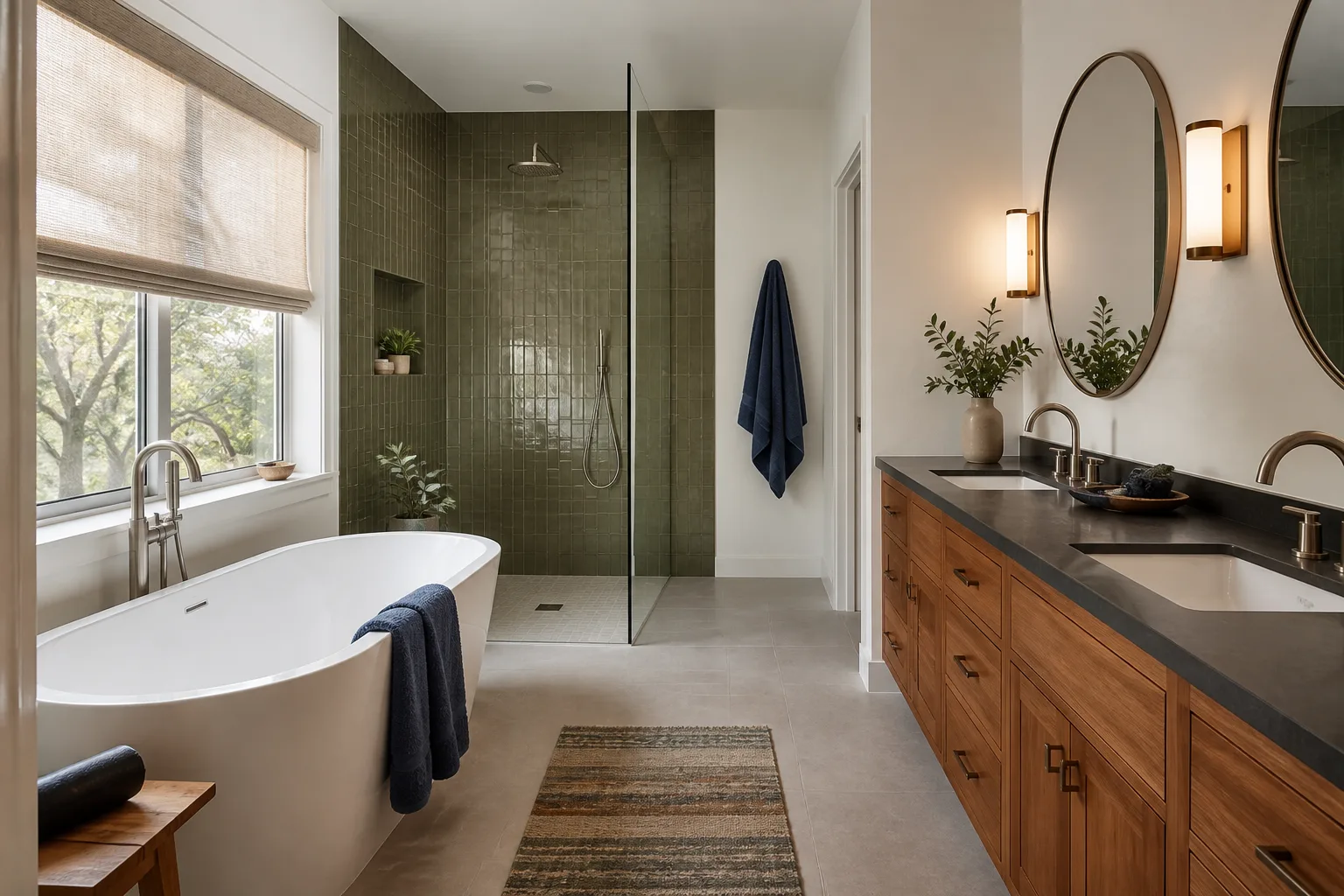
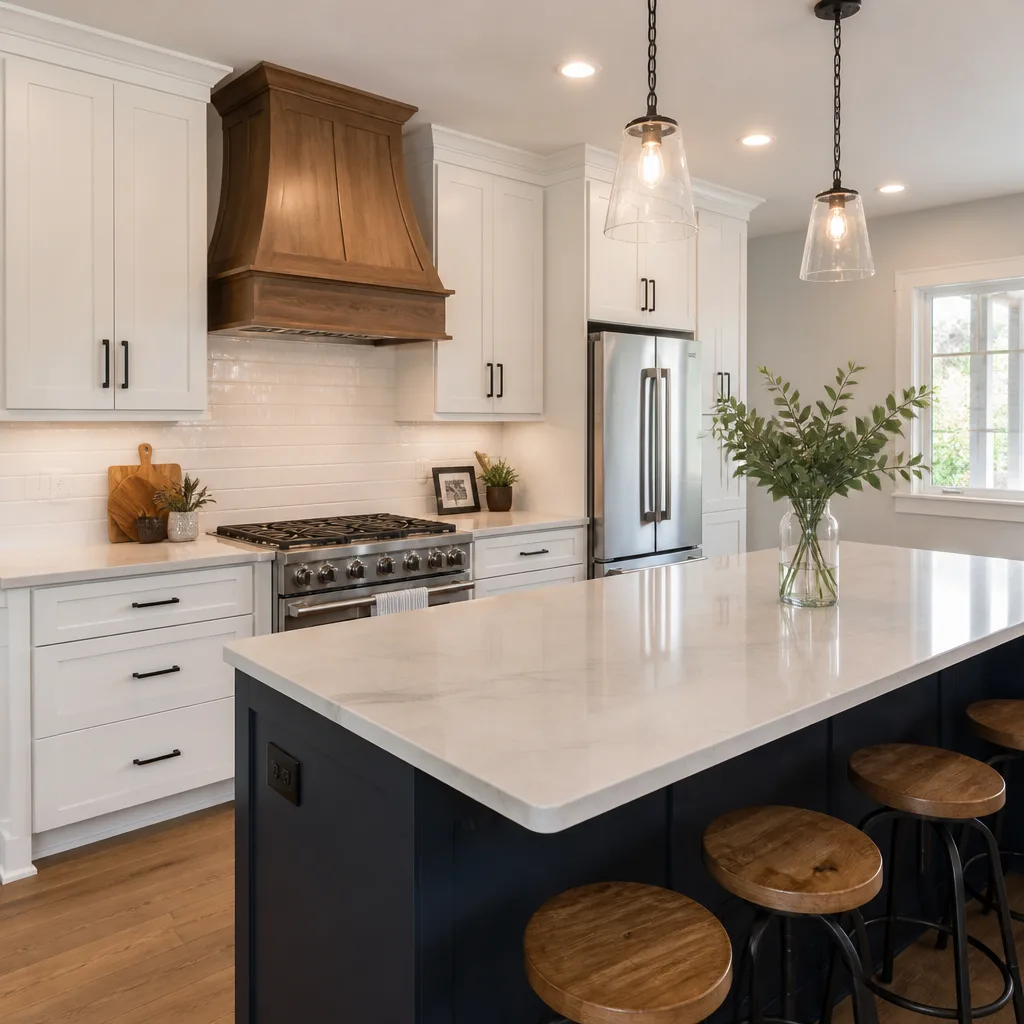
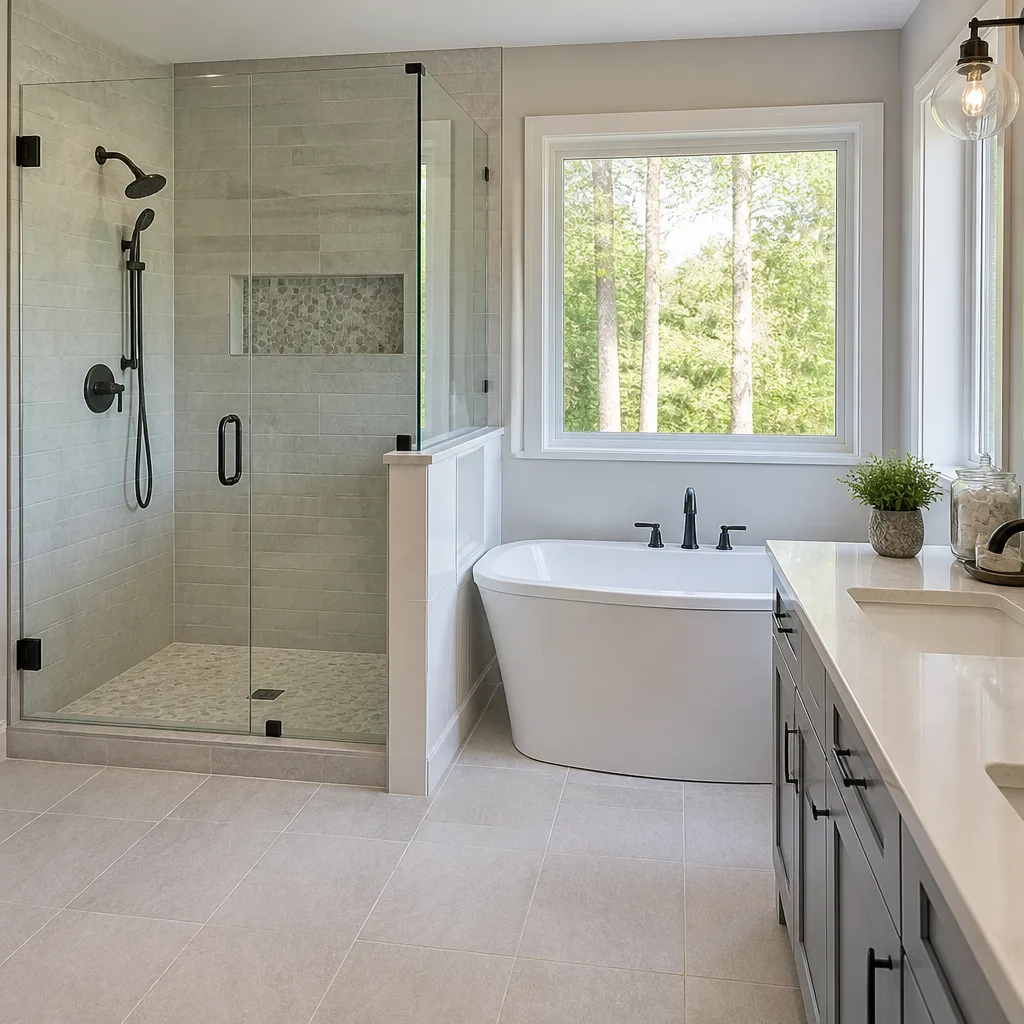
We order Quikrete products through our supply chain and include them in your written quote. You don’t need to buy anything yourself. We spec the right mix for the job, and because we’re an independent contractor and not a Quikrete dealer, we choose the product based on what the project needs, not what we’re trying to move off a shelf. We also work with KraftMaid, Cambria, and Silestone on the finish side when the addition includes a kitchen or bath.
Written by Curtis Lane, Owner, Bradford Remodeling Co Fresno at Bradford Remodeling Co Fresno, serving Fresno and nearby areas.