




Free written scope consultation - allowances, timeline, and change-order rules on paper before a single trade is scheduled
Plant Prefab Roofing: The Fresno Owner’s Guide
We stock and install Plant Prefab-compatible roofing in Fresno, with most replacement jobs running $400 to $1,800 depending on the damage and the specific panel or flashing your home uses. Same-week scheduling is standard for us, and we carry the common Plant Prefab roof interfaces on our trucks so we’re not making you wait on a parts order. Most owners find us the same way: a water stain on the ceiling after a wet winter, a roof panel that’s started to lift at the seam, or a visible gap where the roof meets the wall of their Plant Prefab module.
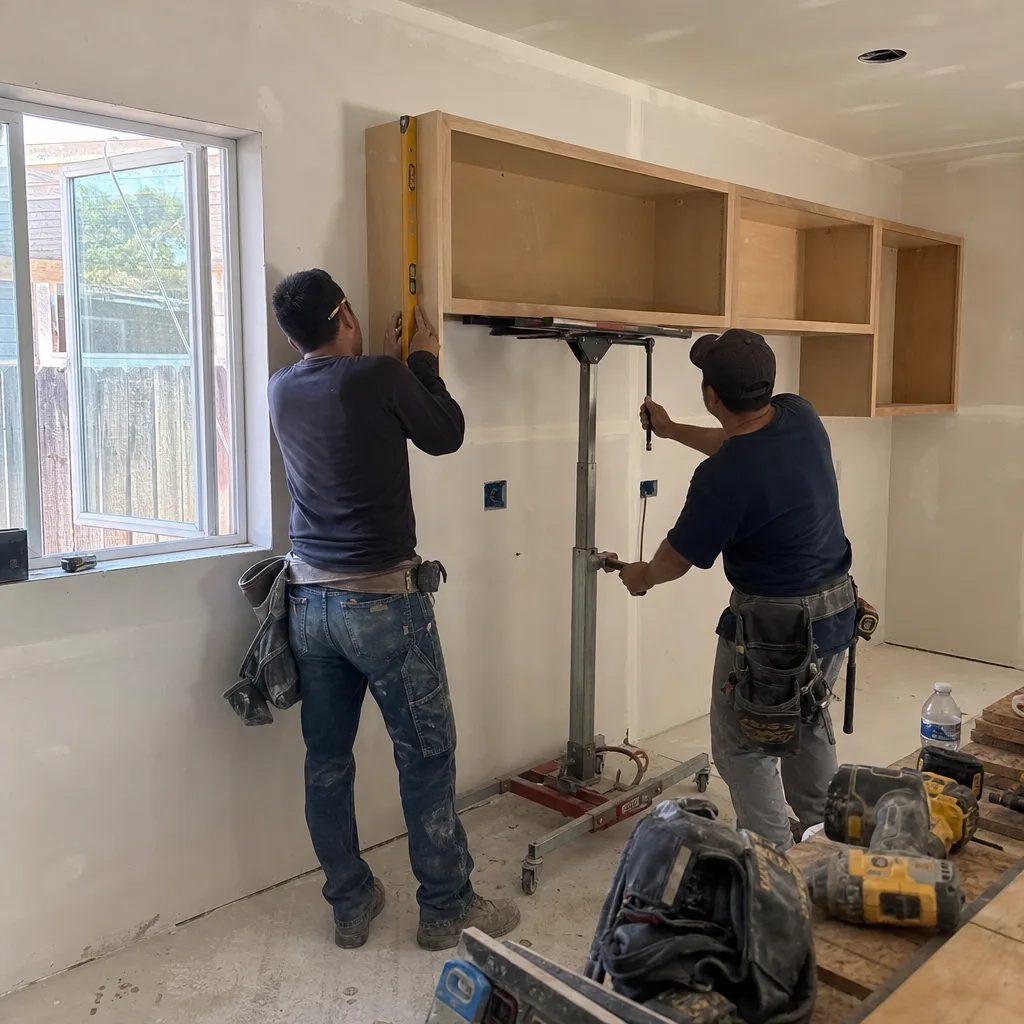
Plant Prefab builds homes in sections, and the roofing system gets joined on site. That seam is where Fresno owners see problems first. Our summers hit 105° and our winter rains come in hard bursts. That expansion and contraction works on every joint in the roof. Curtis Lane and our crew have pulled apart enough of these assemblies to know exactly where they fail and what it takes to make the fix hold.
Which Plant Prefab Models This Applies To

Plant Prefab has produced several lines over the years, including the LivingHome series and custom single-family modules. The roofing details vary by build year and which factory the module came from, so the first thing we do on any call is identify what you actually have. Look for a spec label inside the mechanical closet or on the underside of the roof access panel if the home has one. The module ID number tells us the build date and the original roofing spec, which matters because Plant Prefab changed flashing details between production runs.
If the label is gone, we go by measurements. Roof panel thickness, seam profile, and the type of underlayment visible at the eave tell us what we’re working with and whether we’re matching to the original system or swapping in an equivalent. We use OEM parts when they’re available and price-competitive. When they’re discontinued or on a 6-week backorder, we install quality aftermarket flashing and sealant systems that meet or exceed the original spec. We’ll tell you which one makes sense and put the brand and part number in writing before we touch anything.
One compatibility note: Plant Prefab roof-to-wall transitions on some 2018-and-earlier modules used a proprietary flashing profile that is no longer manufactured. Owners discover this the hard way when a local roofer tries to splice in a generic part. We keep a field-fabricated alternative on hand for this exact situation. It’s not OEM, but it is tested, documented, and we warrant it the same way.
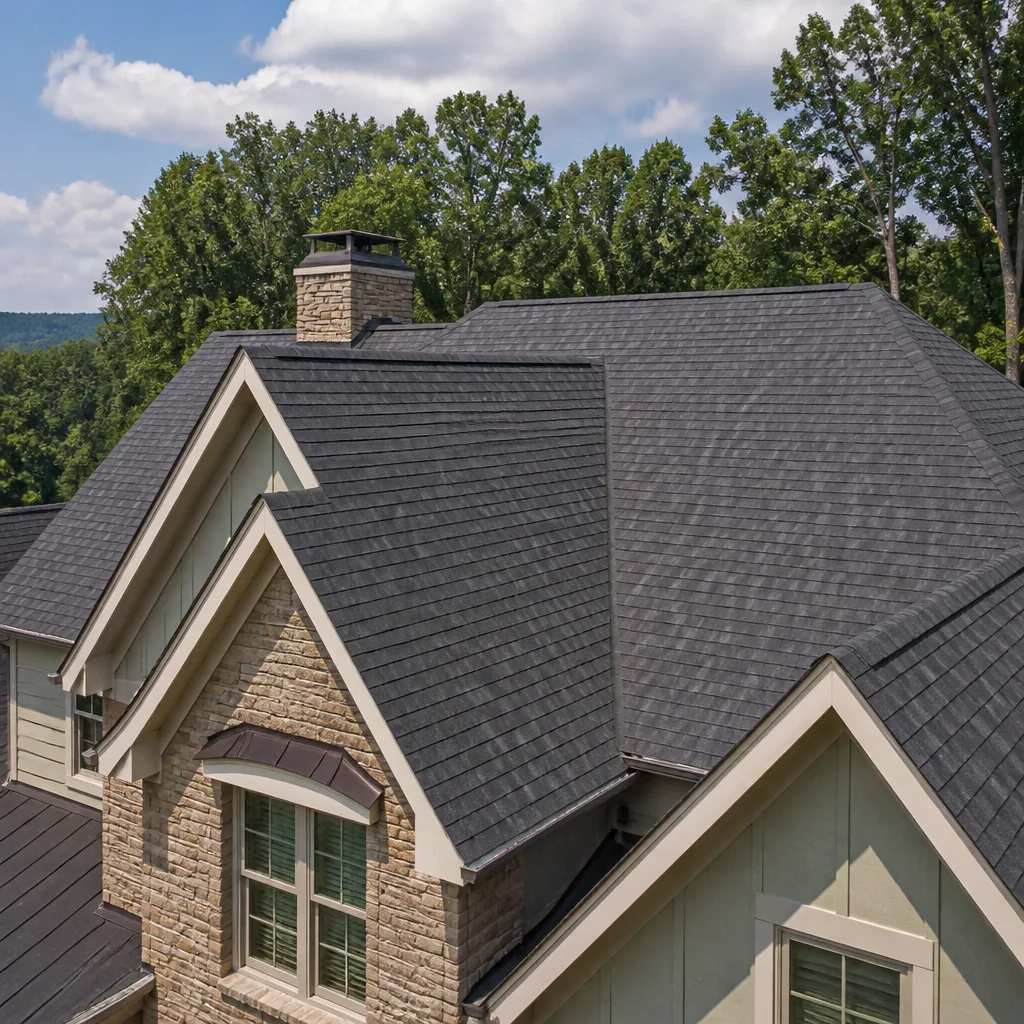
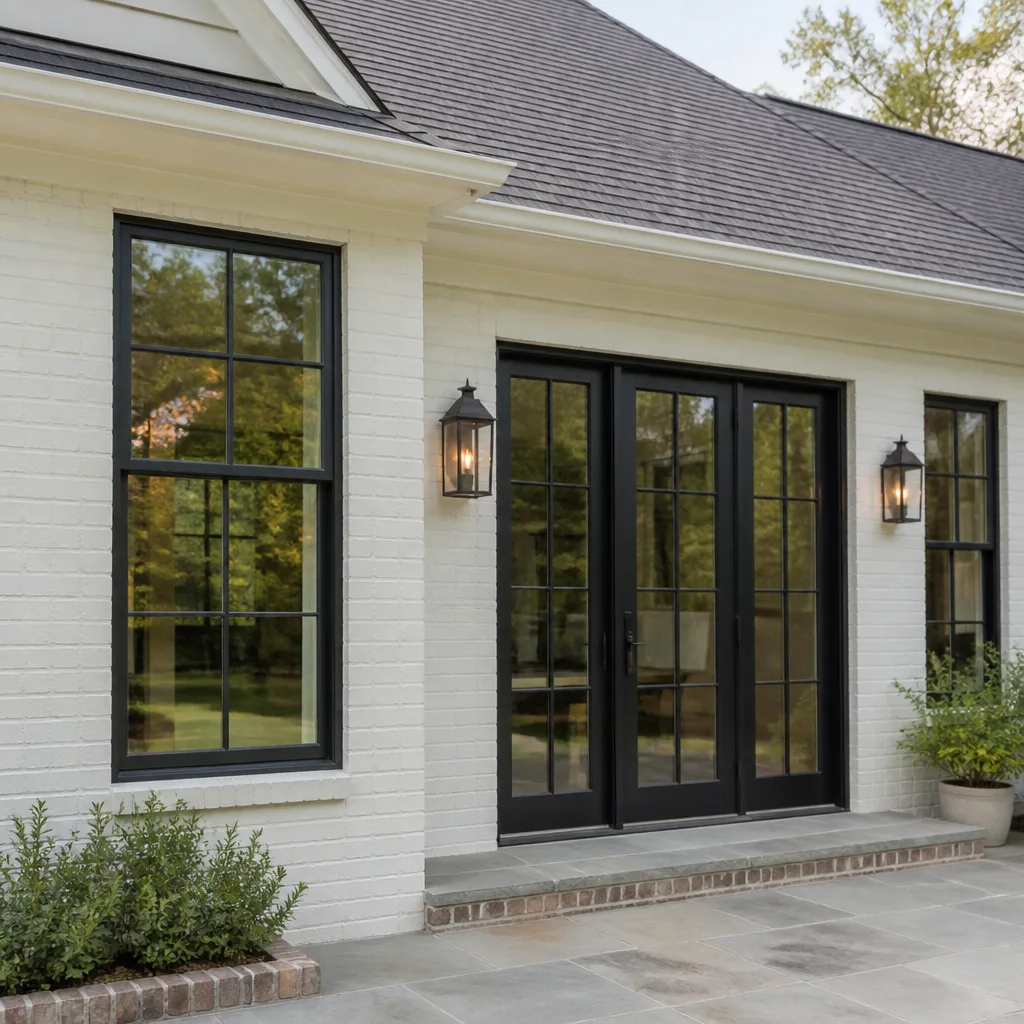
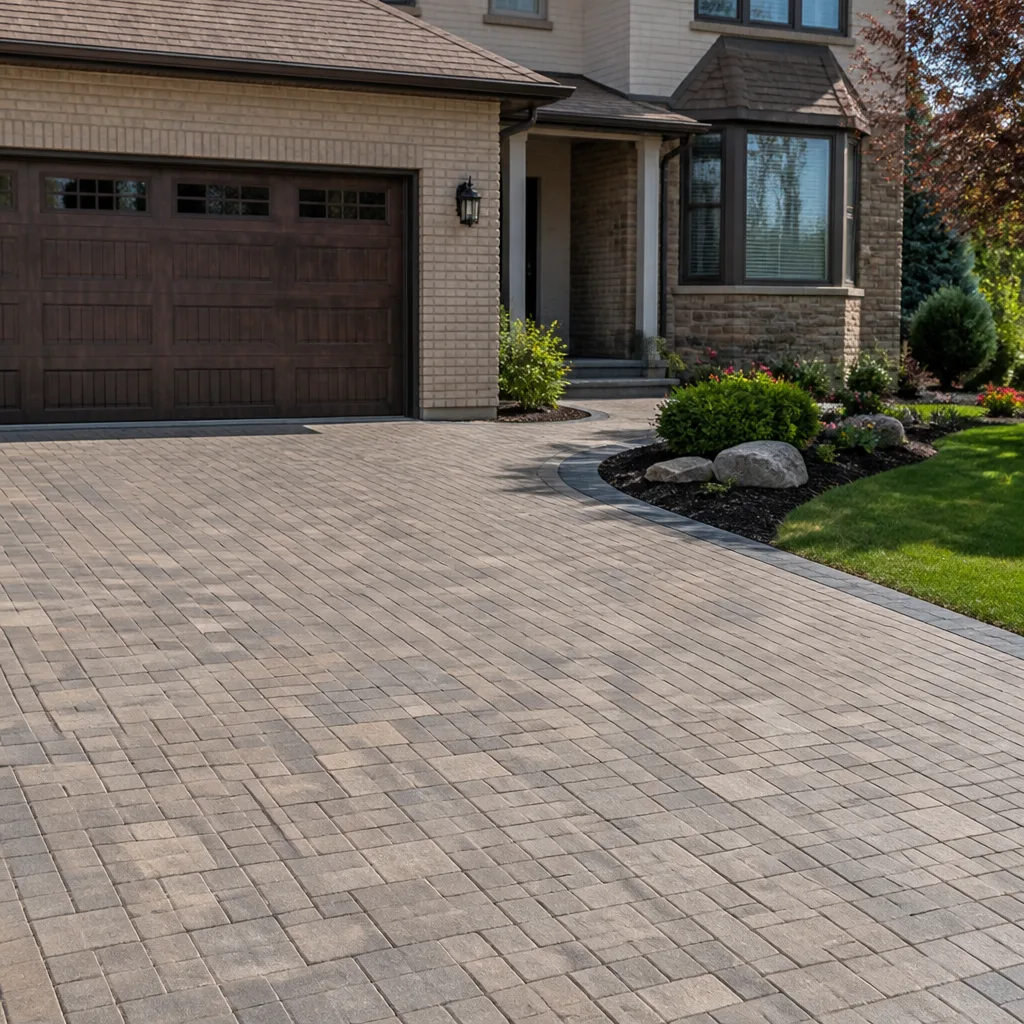
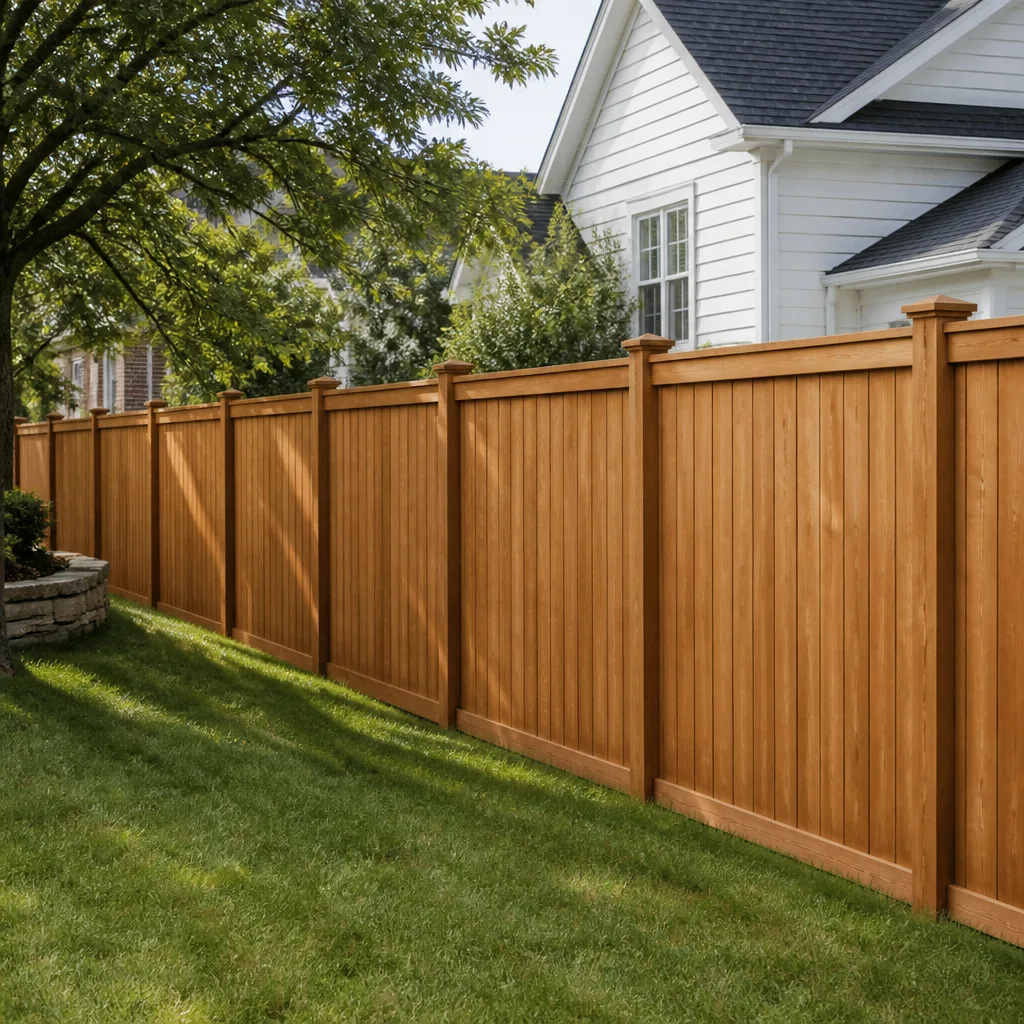
Styles & brands we work with



Signs Your Plant Prefab Roofing Is Failing
- Water staining at the ceiling edges, not the center of the room. Plant Prefab leaks usually start at the roof perimeter or at the module joint, so the stain shows up where the wall meets the ceiling. The water travels along the structural frame before it finds drywall.
- Roof panels lifting at the lap seams. Fresno heat cycles loosen factory-applied seam fasteners over time. If you can see a panel edge catching the light differently than its neighbor, the seam has opened enough to start taking on water during a hard rain.
- Flashing pulling away from the wall plane. The vertical transition where roof meets wall is the highest-failure detail on Plant Prefab homes. If you see any gap there, even a quarter inch, the seal has broken and water is getting behind it.
- Granule buildup in your Fresno gutters. If the Plant Prefab roof uses a shingle or modified-bitumen surface, excessive granules mean the surface is breaking down faster than it should. That is a materials issue, and it only gets worse going into summer.
- Attic or plenum odors after rain. Musty smell up high, even without a visible stain, means moisture is entering the roof assembly and hanging around. In a prefab module it doesn’t take much trapped water to start degrading the sheathing.
See the difference
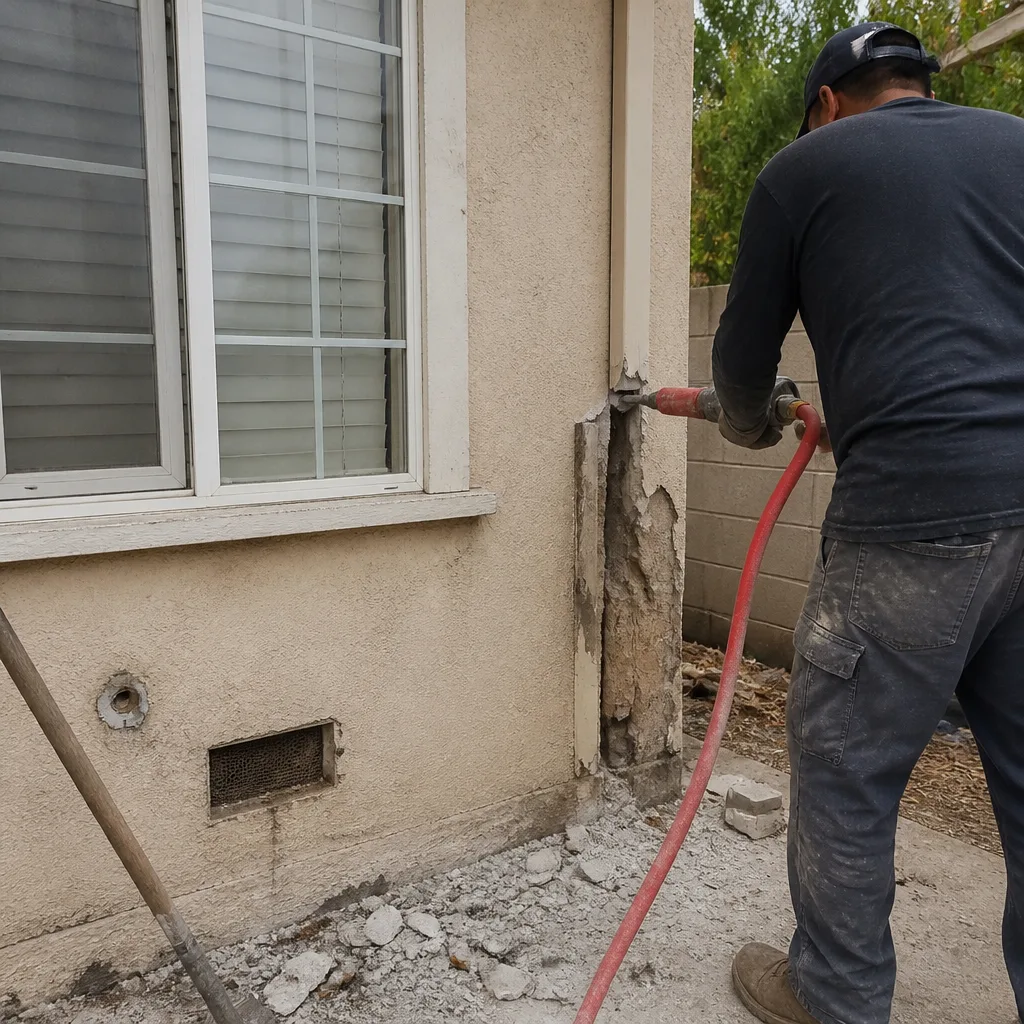 Before
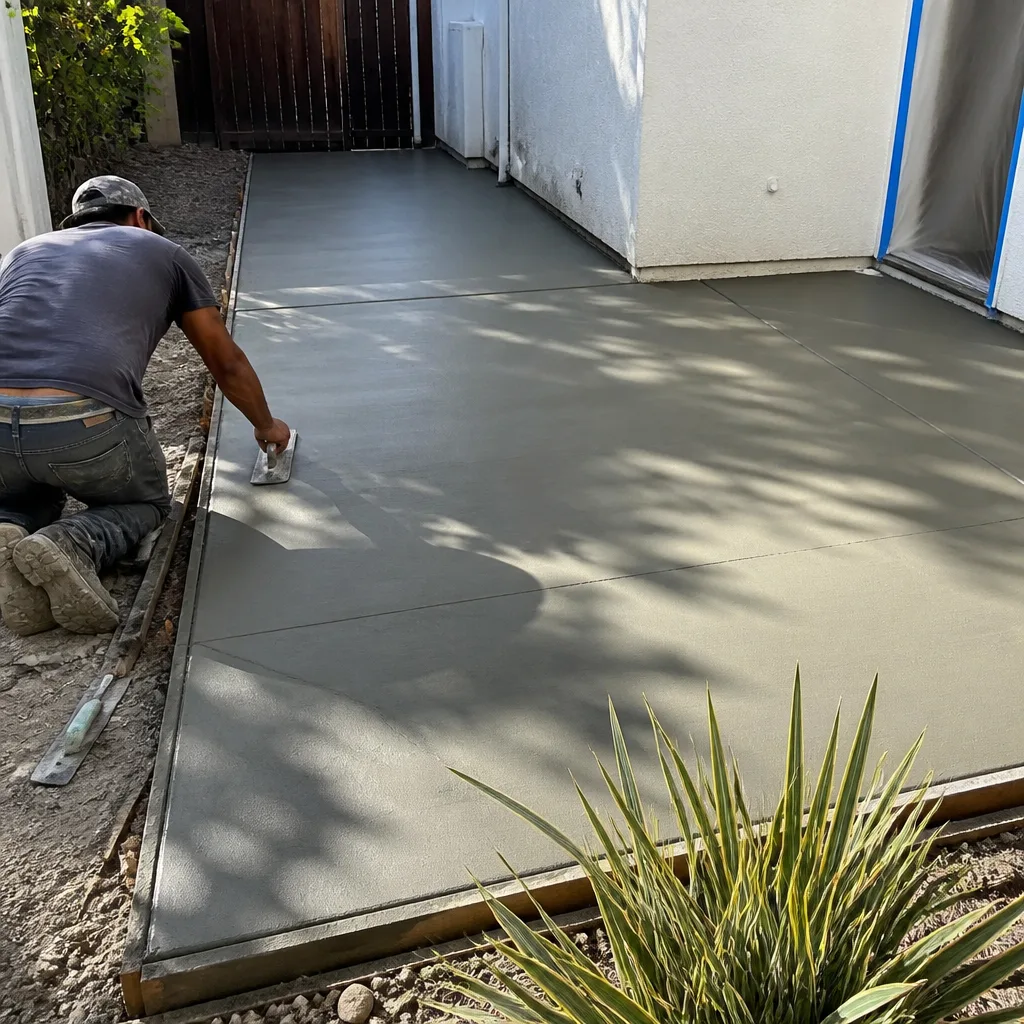 After
After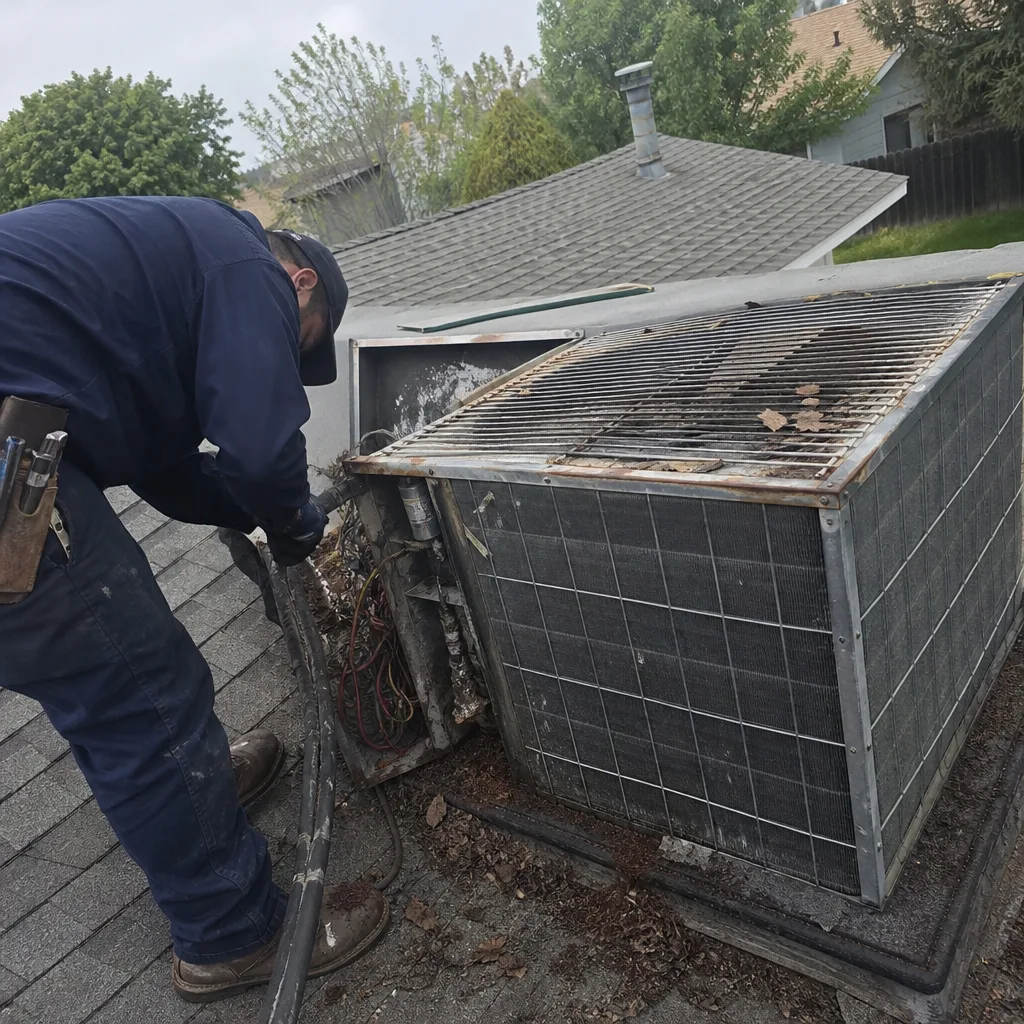 Before
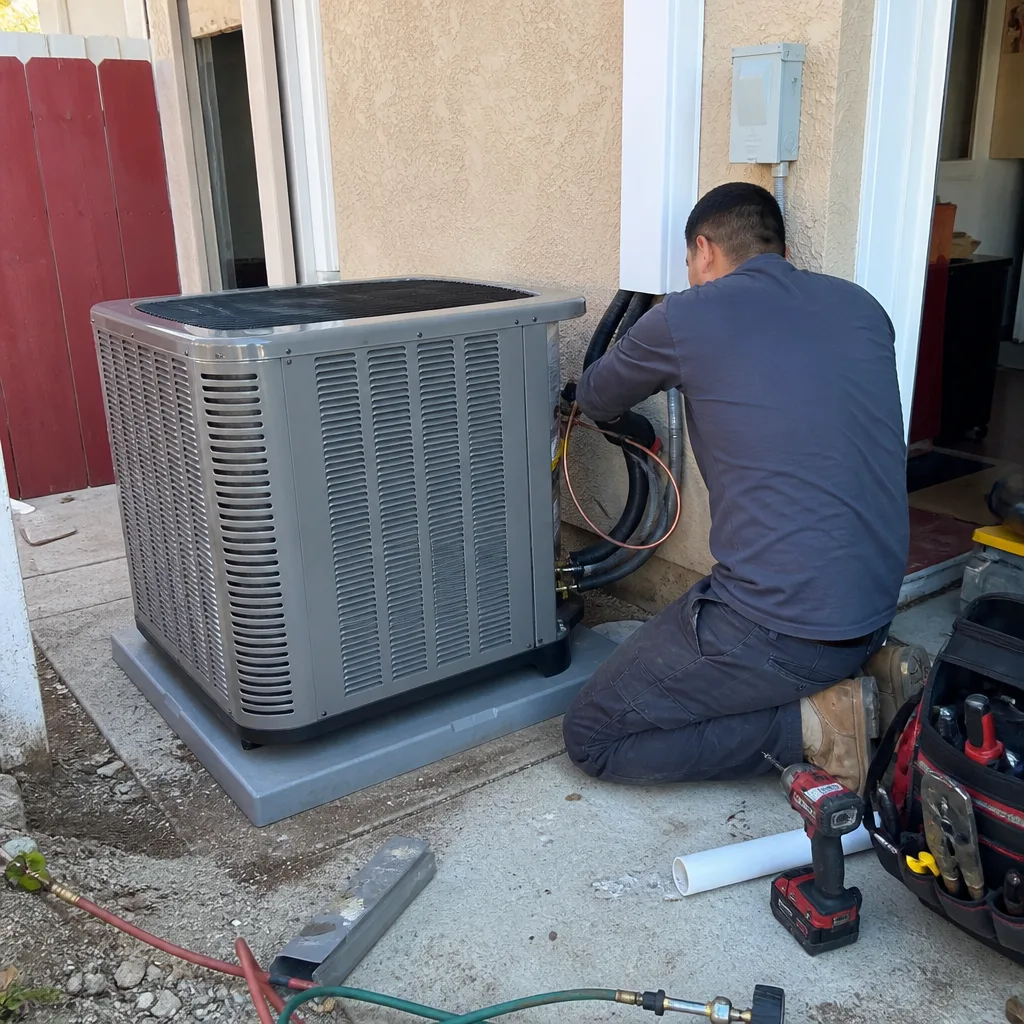 After
After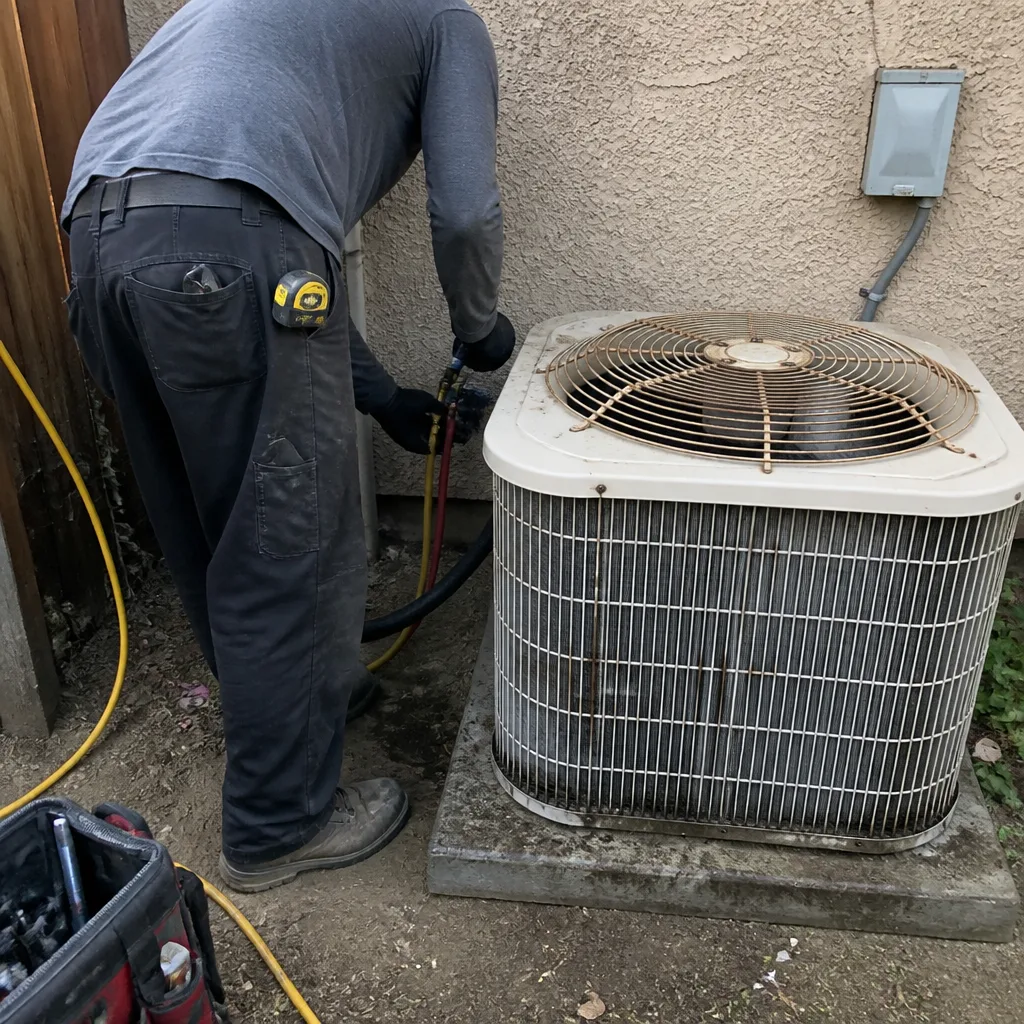 Before
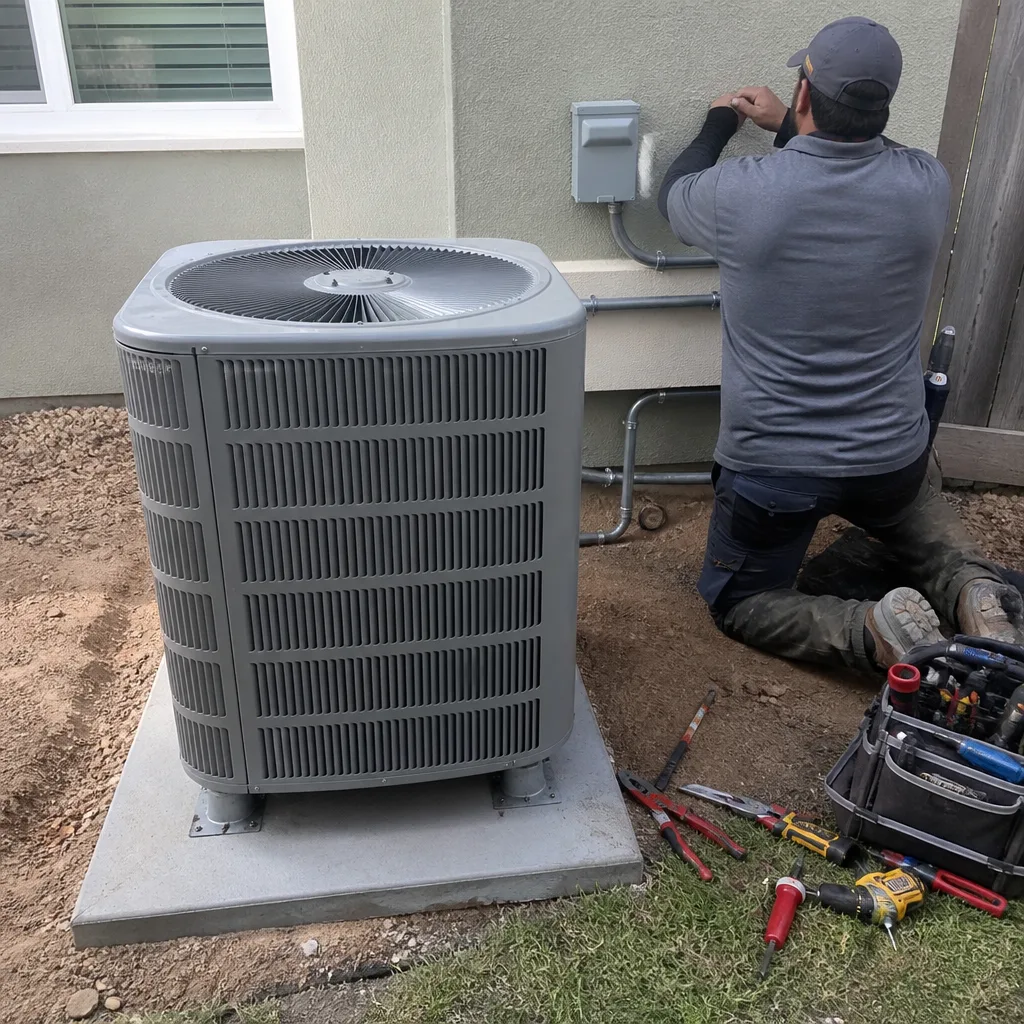 After
AfterReplacement Cost & What’s Included

In Fresno, our Plant Prefab roofing repairs run from $400 to $1,800. A simple flashing replacement with sealant at a single transition usually lands in the $400 to $700 range. A section of damaged roofing membrane or underlayment replacement, including opening up the affected area and re-sealing it, typically runs $800 to $1,400. If we’re replacing an entire roof section on one module with new roofing material and full seam treatment, you’re looking at $1,500 to $1,800.
The price includes parts, labor, disposal of removed material, and a full written scope before we start. We do not give verbal estimates and show up with a different number. The written price is the price. It also includes our 365-Day Done Right Promise: if the repair fails within a year, we come back and correct it at no charge. That guarantee covers materials and our labor, and you get it in writing at close.
What drives the range: whether we’re repairing a single flashing point or replacing a larger section, whether the existing roofing material is still produced or we’re field-matching, and what the decking underneath looks like once we open it up. If we find rotted sheathing, that’s an additional line item. We show you the rot before we touch it, and we price the fix as its own written change order. You approve it or you don’t.
DIY or Call Us?
What you can safely check yourself: look at the roof-to-wall flashing from the ground or from a ladder you never leave. Look inside the attic at the underside of the roof deck for stains, especially along the module seams. Take photos, mark the spot, and close it back up. That’s useful information and it’s safe.
Where DIY goes wrong is anywhere near the actual repair. Roofing on a Plant Prefab module means working with seam tolerances that are tighter than a site-built roof, and if the repair surface isn’t perfectly clean and dry when the new sealant goes down, it fails within months. We’ve seen homeowners spend a weekend and a few hundred dollars at the hardware store on a patch that held for eight weeks. We’ve also seen improper use of heat guns on sealant cause panel damage that turned a $500 fix into a $1,800 replacement. If the decking is compromised or the module joint has shifted, it’s beyond a caulk job anyway. Call us at (559) 785-2712 and we’ll tell you what you’re actually dealing with.
FAQs

Expect 20 to 30 years from the original Plant Prefab roof system in Fresno’s climate, with the seams and flashings needing attention long before the field material fails. Heat and UV are our main weathering forces, and the seals at module joints are the first components to go. We recommend a seam inspection every 3 to 5 years once the home passes the 8-year mark. Call (559) 785-2712 to schedule one.
Yes, in most cases. If the damage is at the flashing, the seam, or a small section of membrane, a targeted repair gets the roof watertight without replacing the whole section. It only makes sense to replace a larger section if the decking beneath is rotted or the roofing material itself has hit the end of its service life. We’ll show you the condition of what’s underneath before we sell you anything.
Most flashing and seam repairs take one day on site. A section replacement with any decking work takes two days, mostly because the sealant system needs time and dry conditions to cure properly. We schedule around Fresno’s wet season so you’re not waiting on weather.
We keep the common Plant Prefab flashing profiles, sealants, and seam treatments on our trucks, including the field-fabricated alternative for the discontinued 2018-and-earlier wall transition. Uncommon or model-specific components may take a few days to source. We’ll tell you in writing at the estimate whether your job uses truck stock or requires a parts order, and the price is the same either way.
Written by Curtis Lane, Owner, Bradford Remodeling Co Fresno at Bradford Remodeling Co Fresno, serving Fresno and nearby areas.