Free written scope consultation - allowances, timeline, and change-order rules on paper before a single trade is scheduled
Caesarstone Home Additions & ADU: The Fresno Owner’s Guide
Caesarstone surfaces in a Fresno home addition or ADU run $45,000 to $130,000 for the full project, with the Caesarstone countertop and surfacing portion typically landing between $2,000 and $6,500 depending on slab count, edge profile, and square footage. We stock and install Caesarstone-compatible surfacing, and in most cases we can have your addition or ADU measured, spec’d, and the Caesarstone ordered within a week. The typical call we get starts with an owner noticing a Caesarstone seam that’s opened up, a chip along the sink cutout, or a counter that’s delaminated from its substrate after a Central Valley summer of expansion and contraction.
Here’s what you need to know to get it handled without a callback.
Key Takeaways
- Caesarstone home additions and ADU projects in Fresno run $45,000 to $130,000; the Caesarstone surfacing component alone is usually $2,000 to $6,500 installed.
- Fresno’s temperature swings, which routinely hit 100°F in July and drop into the 30s in December, put real stress on Caesarstone seams and adhesives. This isn’t a materials defect; it’s physics.
- Caesarstone is a quartz engineered surface, which makes it more forgiving than natural stone, but the substrate underneath still has to be dead flat and properly anchored or you’ll get seam separation and cracks.
- The 365-Day Done Right Promise covers our workmanship on any Caesarstone installation or repair for a full year, in writing, at no charge if it fails.
Which Caesarstone Models This Applies To
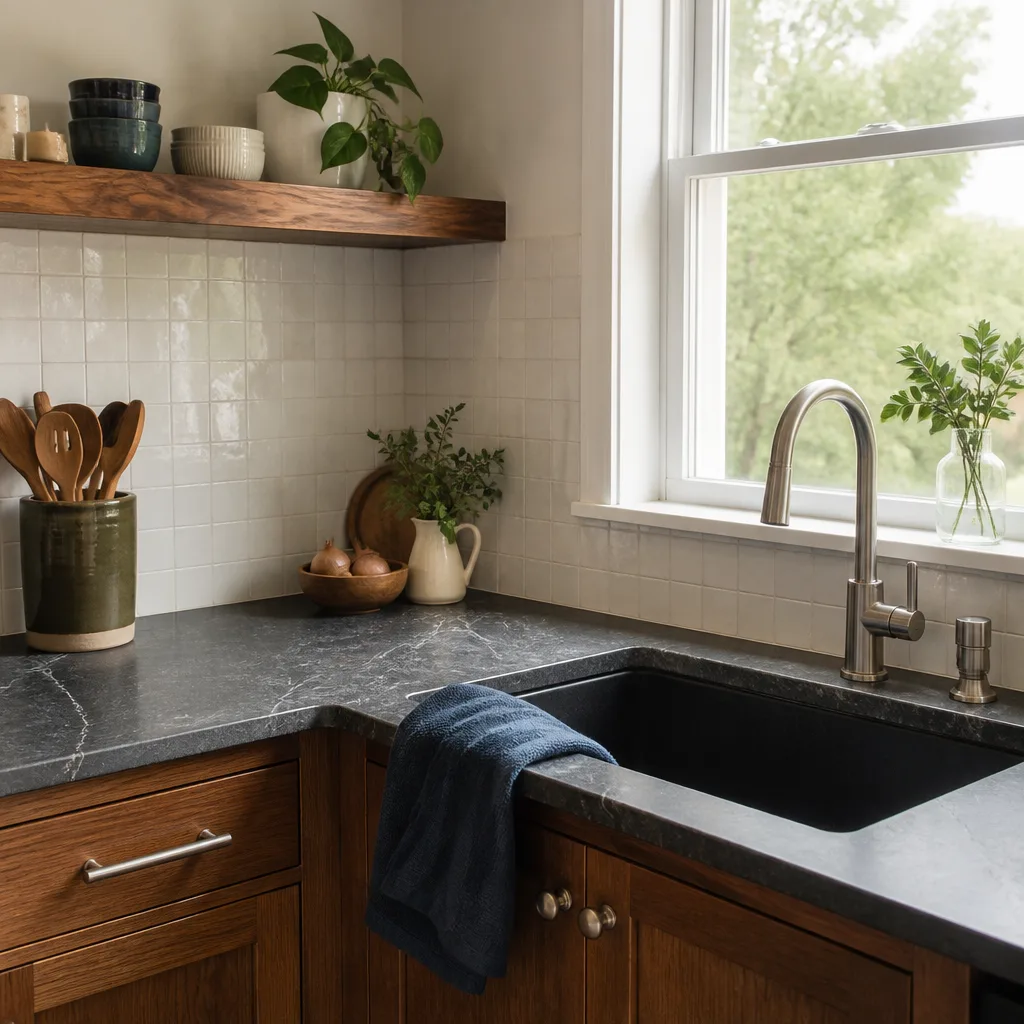
Caesarstone runs dozens of colorways across several collections, and the good news is that the structural requirements are consistent across almost all of them. Whether you have a 5141 Frosty Carrina, a 4004 Raw Concrete, or a 5100 Blizzard, the slab thickness is going to be either 20mm (about 3/4 inch) or 30mm (about 1-1/8 inches). Most Fresno ADU and addition jobs we see use the 30mm material because it spans wider over cabinets without flexing. The colorway name and lot number are printed on the protective film and on the slab edge at the fabricator’s yard, but if that film is long gone, you can usually find the color code etched on the underside of the overhang near the sink.
One compatibility gotcha specific to Caesarstone: the 30mm slabs require a different support layout than the 20mm, and if your original installer treated a 30mm Caesarstone top like a 20mm granite top, you’ll see sagging or seam failure over islands wider than 36 inches. We see that in maybe one of every four repair calls we take on existing additions in Fresno. The substrate, meaning the plywood or cement board under the Caesarstone, has to be at least 5/8 inch thick, glued and screwed, and level to within 1/16 inch across any 4-foot run. If it isn’t, the Caesarstone will telegraph that inconsistency eventually.
Bradford Remodeling Co Fresno is an independent remodeling contractor, not a Caesarstone dealer or affiliate. That means we install and repair Caesarstone alongside other quartz brands, including Cambria and Silestone, so the recommendation we give you is based on the job, not a sales quota.
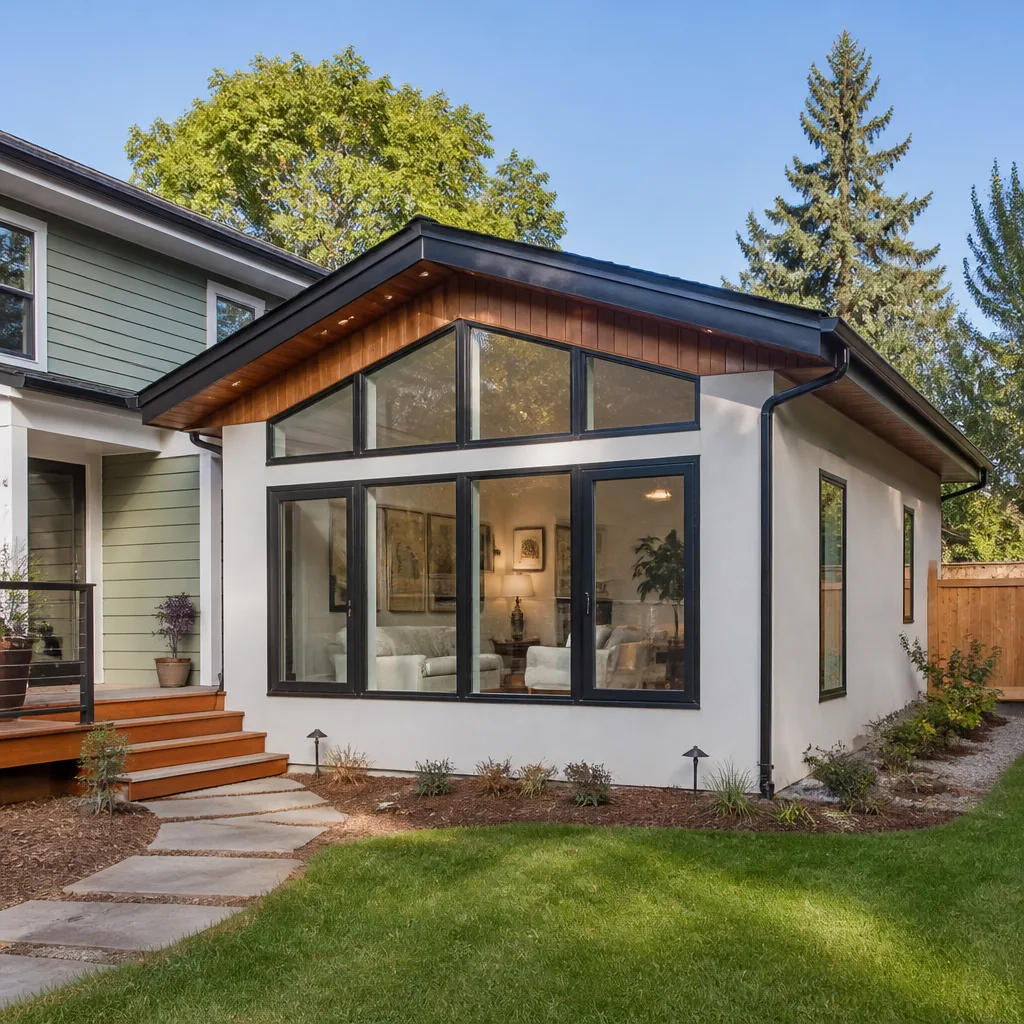
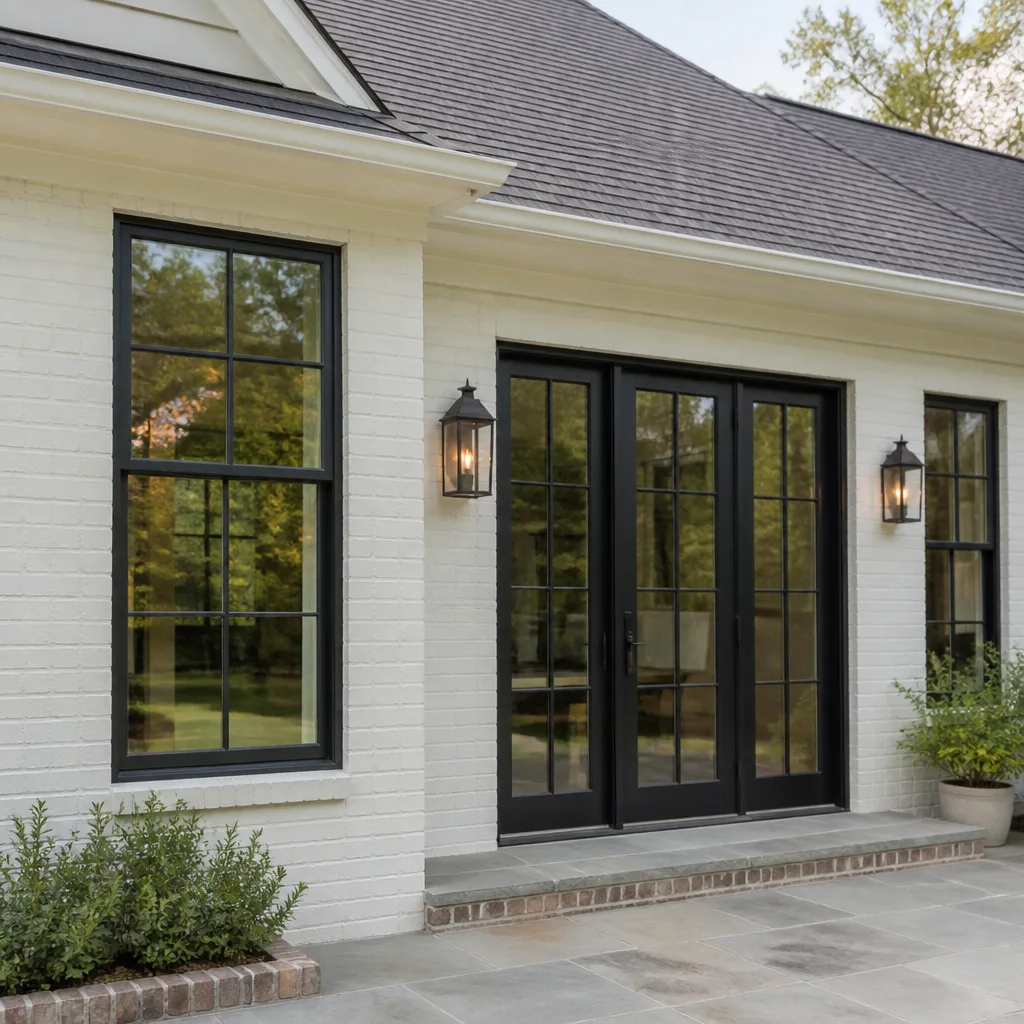
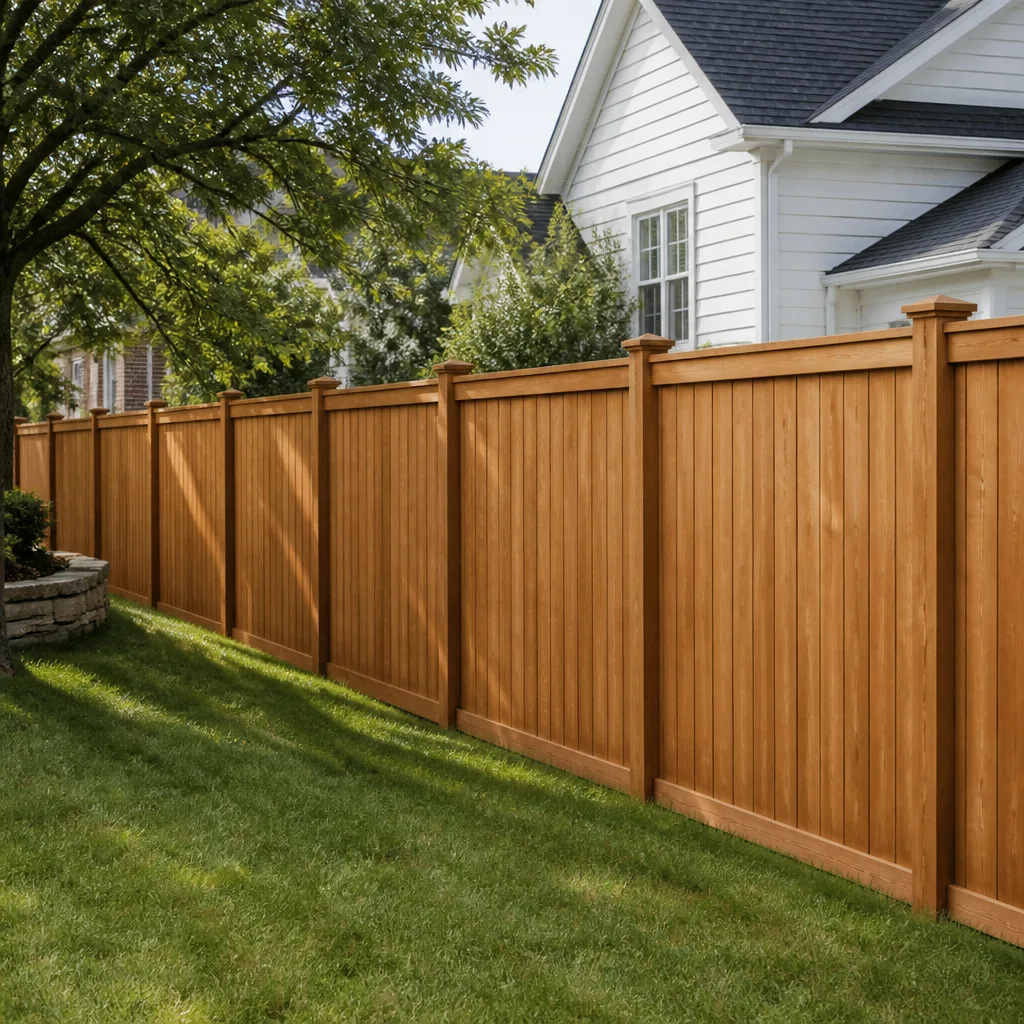
Styles & brands we work with
Signs Your Caesarstone Home Additions & ADU Is Failing
- Seam separation. If the joint between two Caesarstone slabs opens up even 1/32 of an inch, water gets in and the adhesive underneath starts breaking down. In a Fresno kitchen that sees daily use, a separated seam at the sink will start showing dark staining within a month. The cause is almost always substrate movement or undermount sink clips that were never tightened properly.
- Chips at the sink cutout or the front edge. Caesarstone is a quartz composite, so it chips rather than cracks the way natural stone does when a cast-iron pan drops on the edge. A small chip is cosmetic and can be filled. A chip that exposes the substrate underneath means water is getting into the core and you’re on borrowed time.
- Counter lift or “pillowing” over the dishwasher. The heat and steam from a dishwasher venting into the Caesarstone underside will soften cheap adhesives. If you can press down on the Caesarstone and feel it give, or see a gap between the stone and the cabinet deck, the bond has failed. We see this most often in ADUs where the dishwasher was a retrofit and the vent kit was never installed.
- Discoloration around the faucet base. Caesarstone is non-porous, but the seam silicone around a faucet is not. If you see a gray or brown ring developing around the faucet base plate, water has been sitting under the deck and the silicone has failed. Left alone, that moisture rots the substrate under the Caesarstone and you’re into a full sectional replacement.
- Cracking at inside corners. The sink cutout corner is the stress concentration point on any Caesarstone counter. A hairline crack radiating from the corner of a rectangular undermount sink means the slab was either not radiused properly at the cutout or the cabinet structure below is shifting. In Fresno additions built on clay soil, that shifting is often foundation movement showing up in the counter.
See the difference
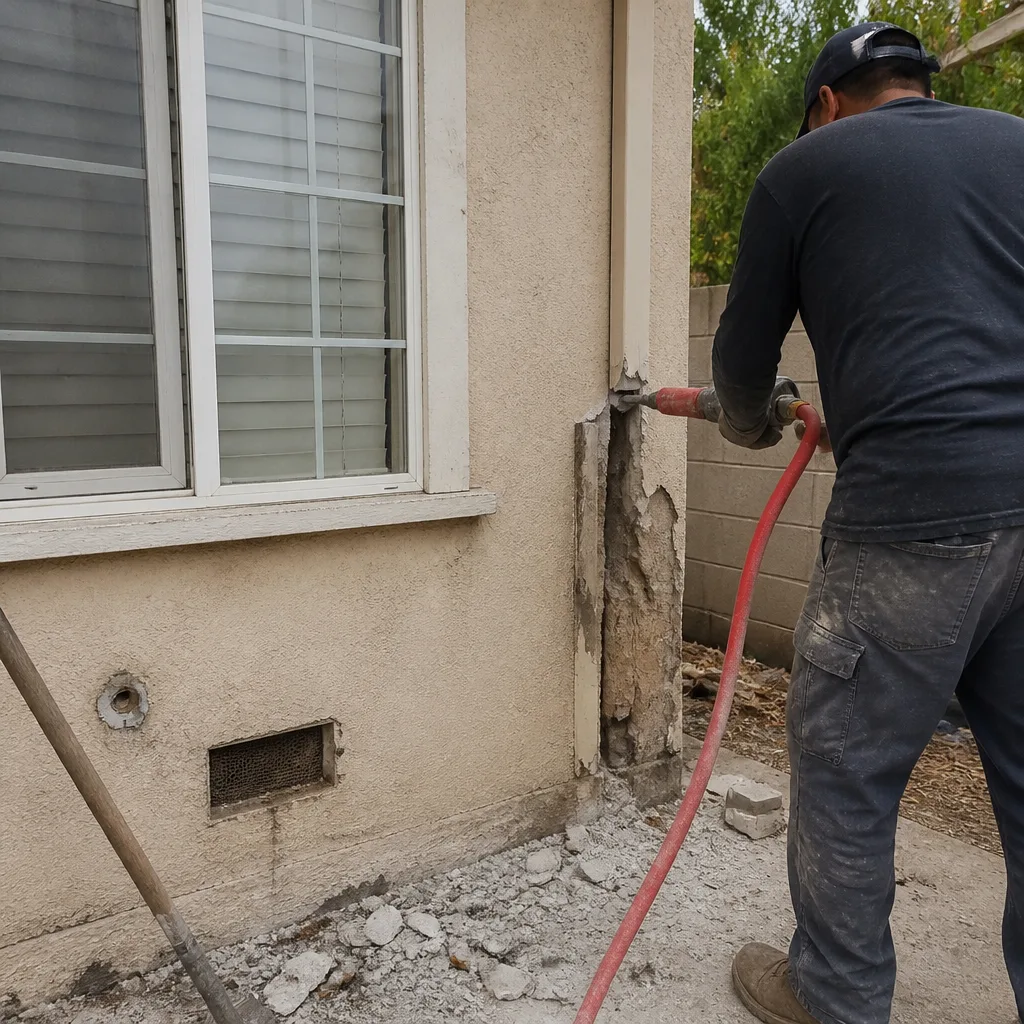 Before
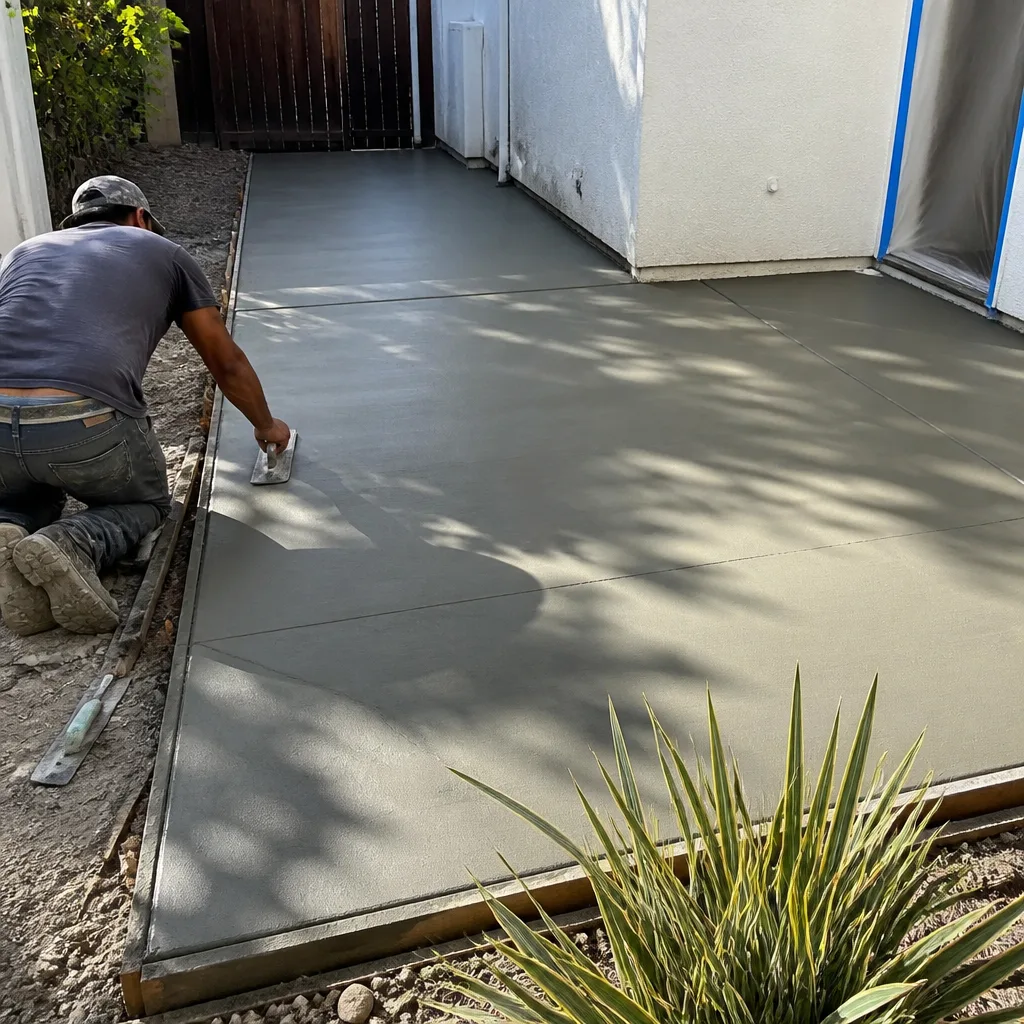 After
After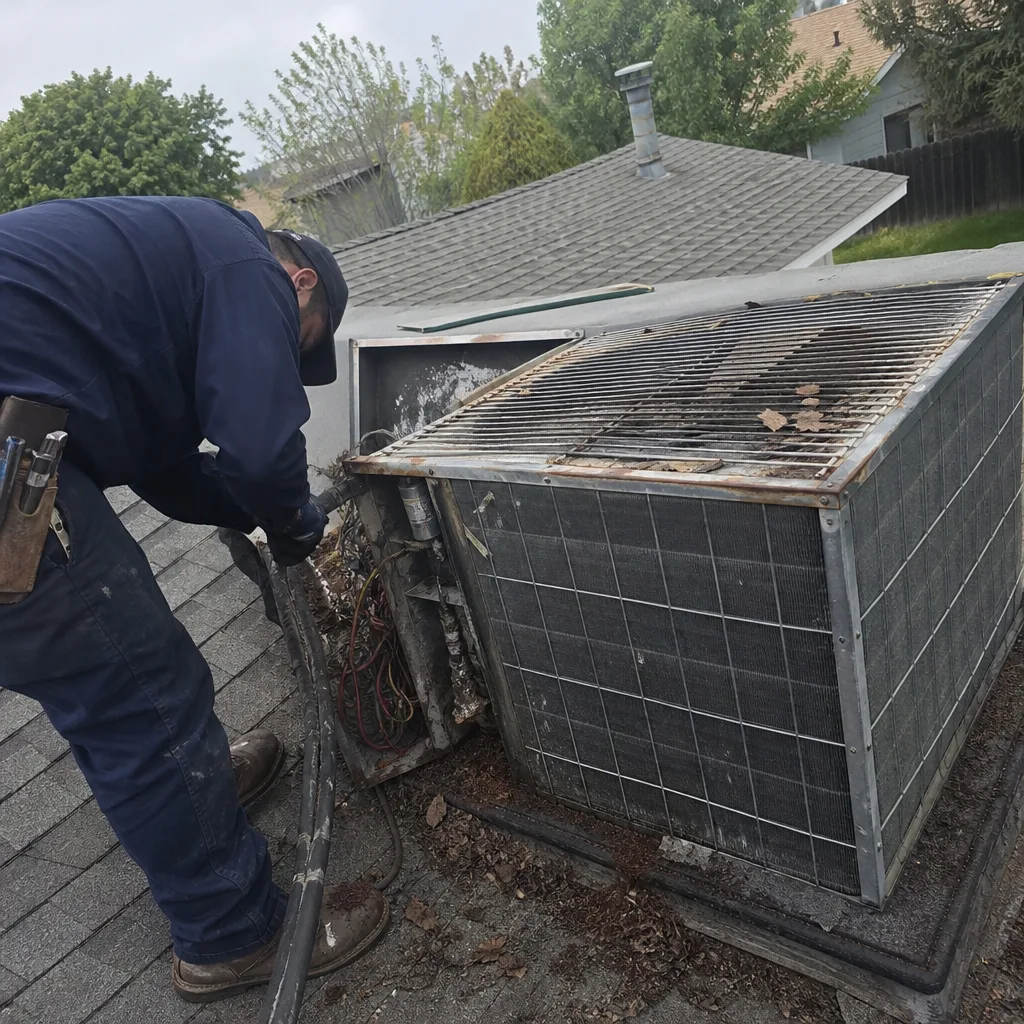 Before
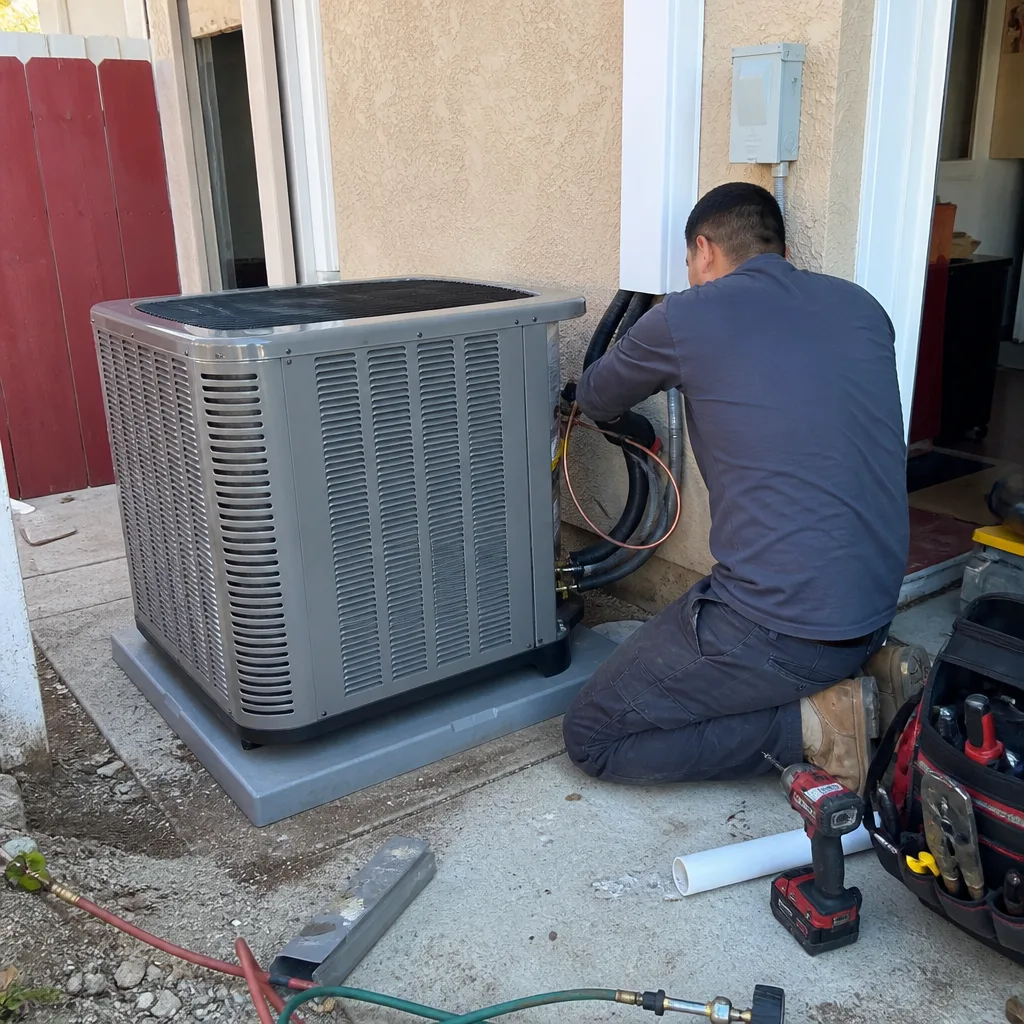 After
After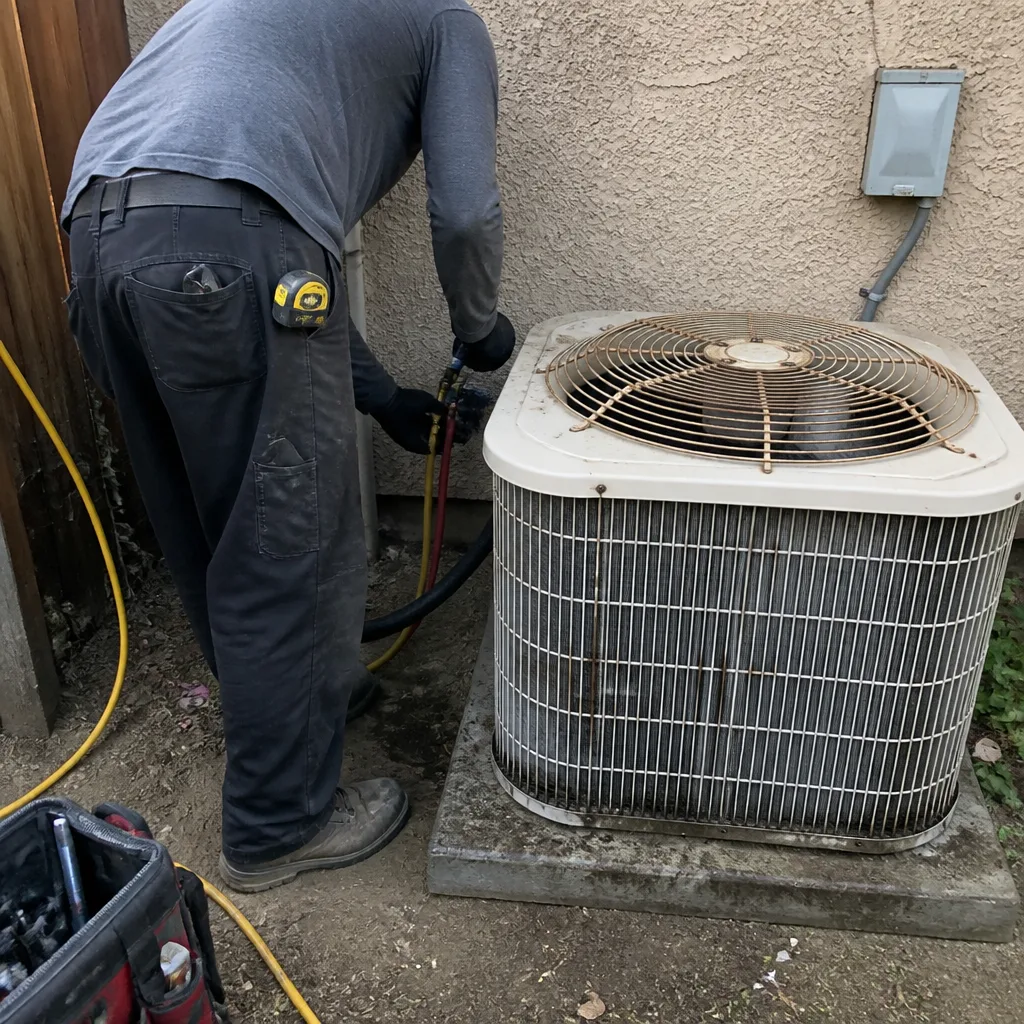 Before
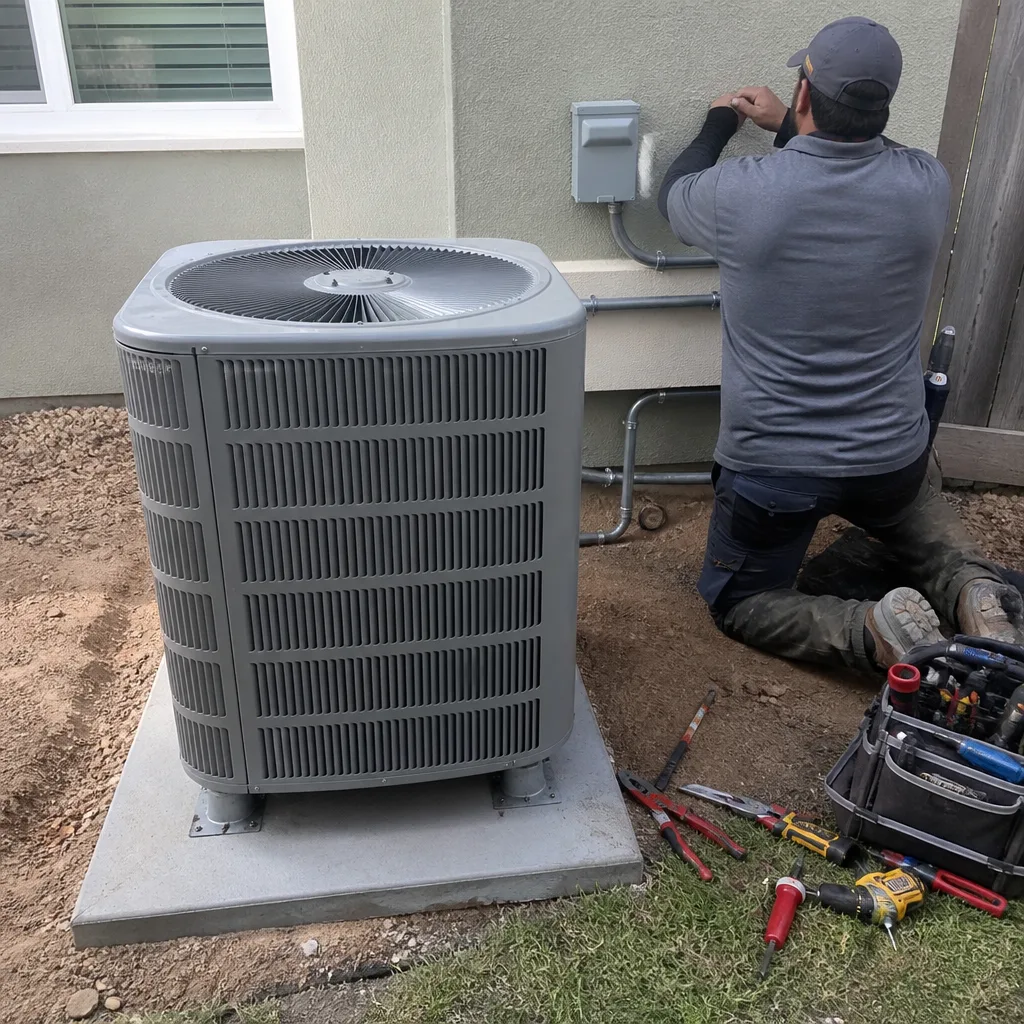 After
AfterReplacement Cost & What’s Included
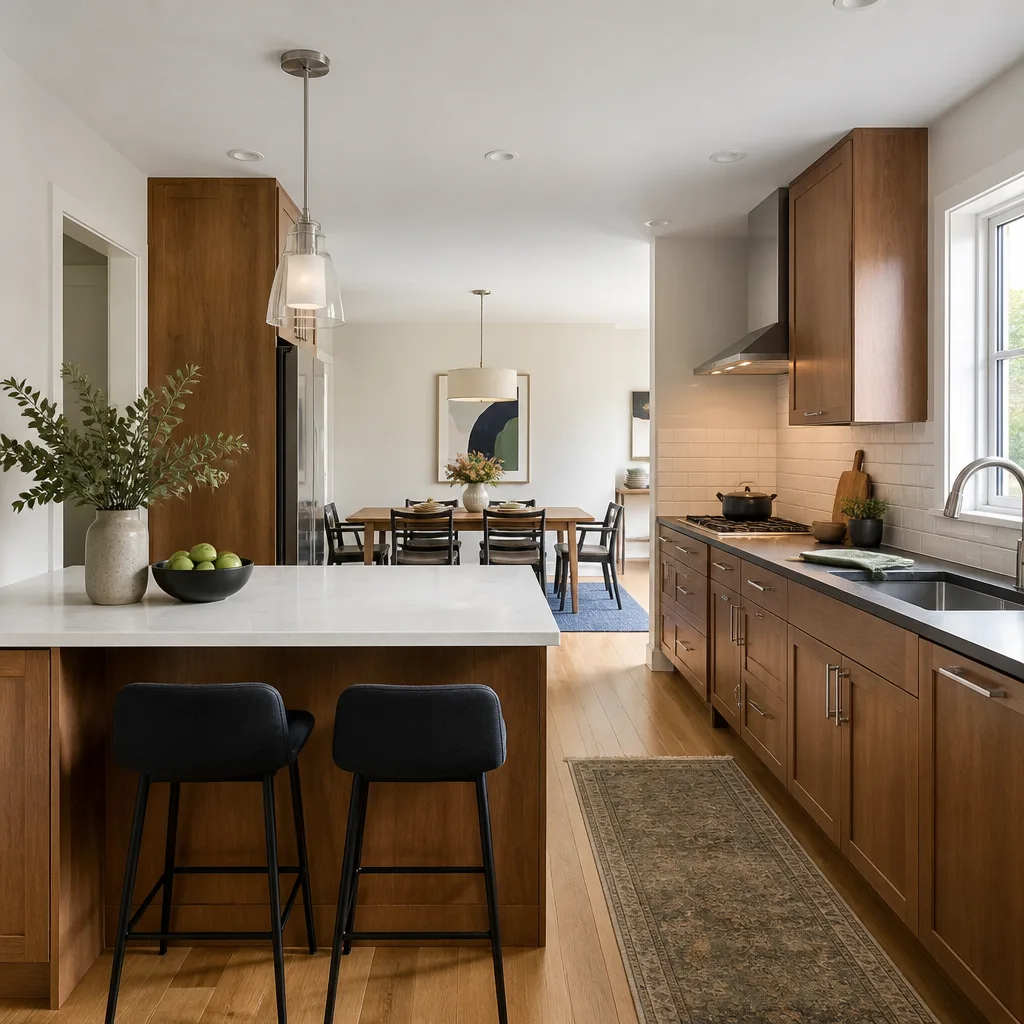
The Caesarstone surfacing portion of a Fresno home addition or ADU runs $2,000 to $6,500 installed. That range covers slab material, fabrication, cutouts, edge profile, and installation on a properly prepared substrate. The full addition or ADU, including framing, electrical rough-in, plumbing, drywall, and finish work, runs $45,000 to $130,000 depending on square footage, site work, and whether the space needs a new foundation or can tie into existing structure.
What moves the number on the Caesarstone portion:
- Slab count. A standard 10-foot run might use one slab; an island with a 12-foot counter on each side needs two. Every extra slab means another seam and another fabrication charge.
- Edge profile. A square edge is standard. A mitered or waterfall edge, where the Caesarstone runs down the sides of the island, adds fabrication time and material. Figure 15 to 25 percent more for a full waterfall island.
- Backsplash. A 4-inch Caesarstone backsplash is standard in many additions. A full-height Caesarstone backsplash to the underside of the upper cabinets runs $800 to $2,500 and changes the slab yield calculation.
- Substrate repair. If we find failed plywood or a cabinet deck that’s out of level, that has to be corrected before the Caesarstone goes down. That runs $400 to $1,500 depending on what we find.
Every estimate we write in Fresno includes a line-item breakdown. You’ll see the slab cost, the fabrication charge, the adhesive, the sealant, and the labor. The number we give you is the number you pay. No change orders unless you ask for a change. And the installation itself is covered by the 365-Day Done Right Promise. If a seam opens or the stone moves within a year, we come back and correct it. In writing. Every time.
DIY or Call Us?
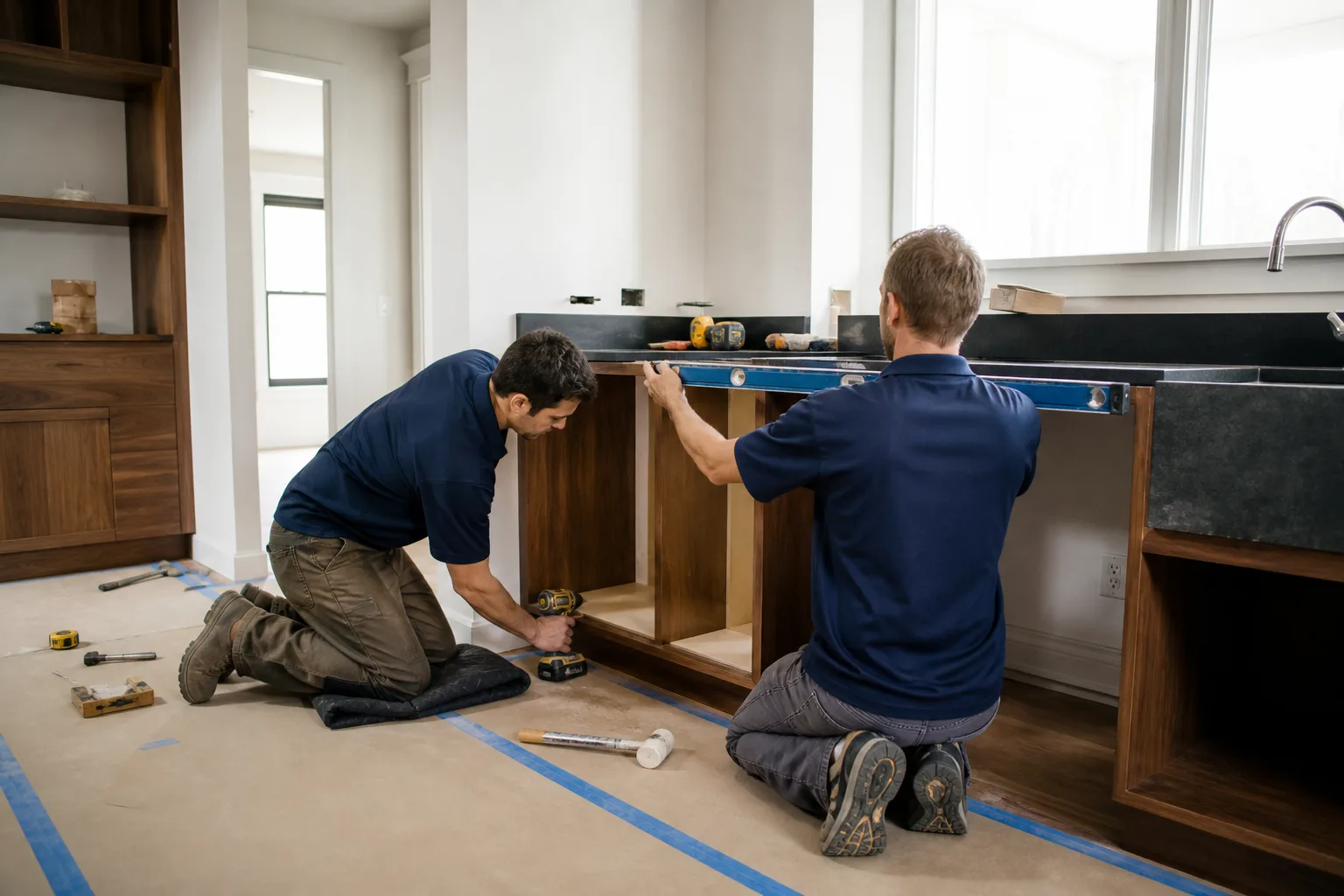
Let’s be straight about what an owner can safely do and what belongs to a pro. You can check whether your Caesarstone is properly supported. Look under the overhang with a flashlight. You should see continuous contact between the Caesarstone and the cabinet deck, with adhesive squeeze-out visible along the front and back rails. You can also check that the undermount sink clips are snug, not hand-loose. If you find loose clips, tightening them a quarter turn with a screwdriver is reasonable.
What you should not do is attempt to re-adhere a separated seam or lift a Caesarstone slab to repair the substrate. Caesarstone slabs weigh roughly 13 pounds per square foot. A 10-foot island top is over 300 pounds. Dropping one on a hand or a foot is a hospital trip. And the adhesives used for Caesarstone are two-part epoxies with a specific open time, meaning the window for getting the slab aligned and clamped before the bond sets. Get that wrong and the seam will never close properly. If your Caesarstone addition or ADU counters are failing, call (559) 785-2712 and we’ll send someone to look. The estimate is free.
FAQs
With proper substrate prep and sealed seams, Caesarstone should hold its appearance and structural integrity for 20 to 30 years in Fresno. The stone itself won’t fail, but seams and silicone will need reworking every 7 to 10 years, faster if the addition sits on shifting clay soil. Call (559) 785-2712 for a free estimate on seam rework or substrate correction.
A separated seam can usually be re-bonded if the substrate is sound and the slabs haven’t been stressed. A crack that runs through the full thickness of the Caesarstone cannot be repaired to invisible and the section must be replaced. The decision comes down to what we find under the stone. Call (559) 785-2712 and we’ll tell you straight which way it goes.
From template to installation is usually 7 to 14 days, depending on slab availability at the Fresno fabricator and whether any substrate repair is needed. The on-site installation itself is one day for a typical kitchen or ADU counter run. Call (559) 785-2712 for a project-specific timeline.
We don’t warehouse slabs, but we work with Fresno fabricators who stock the standard Caesarstone colorways, and we can have the exact lot number on the truck within a week. If you’re matching an existing Caesarstone color in your addition, we’ll pull the color code off the slab and confirm the lot before we order. Call (559) 785-2712 and we’ll check availability.
Written by Curtis Lane, Owner, Bradford Remodeling Co Fresno at Bradford Remodeling Co Fresno, serving Fresno and nearby areas.