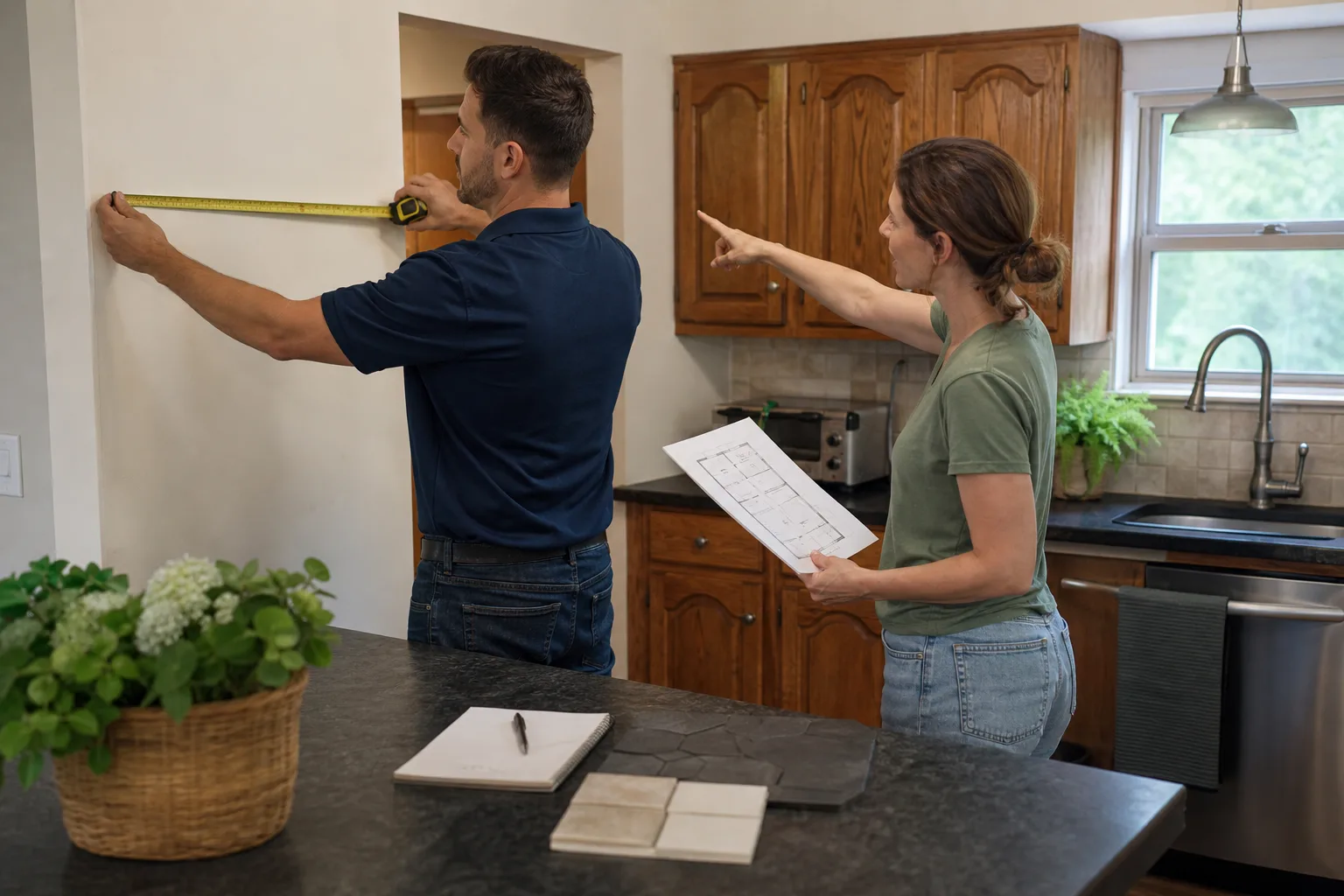
Free written scope consultation - allowances, timeline, and change-order rules on paper before a single trade is scheduled
Unilock Home Additions & ADU: The Fresno Owner’s Guide
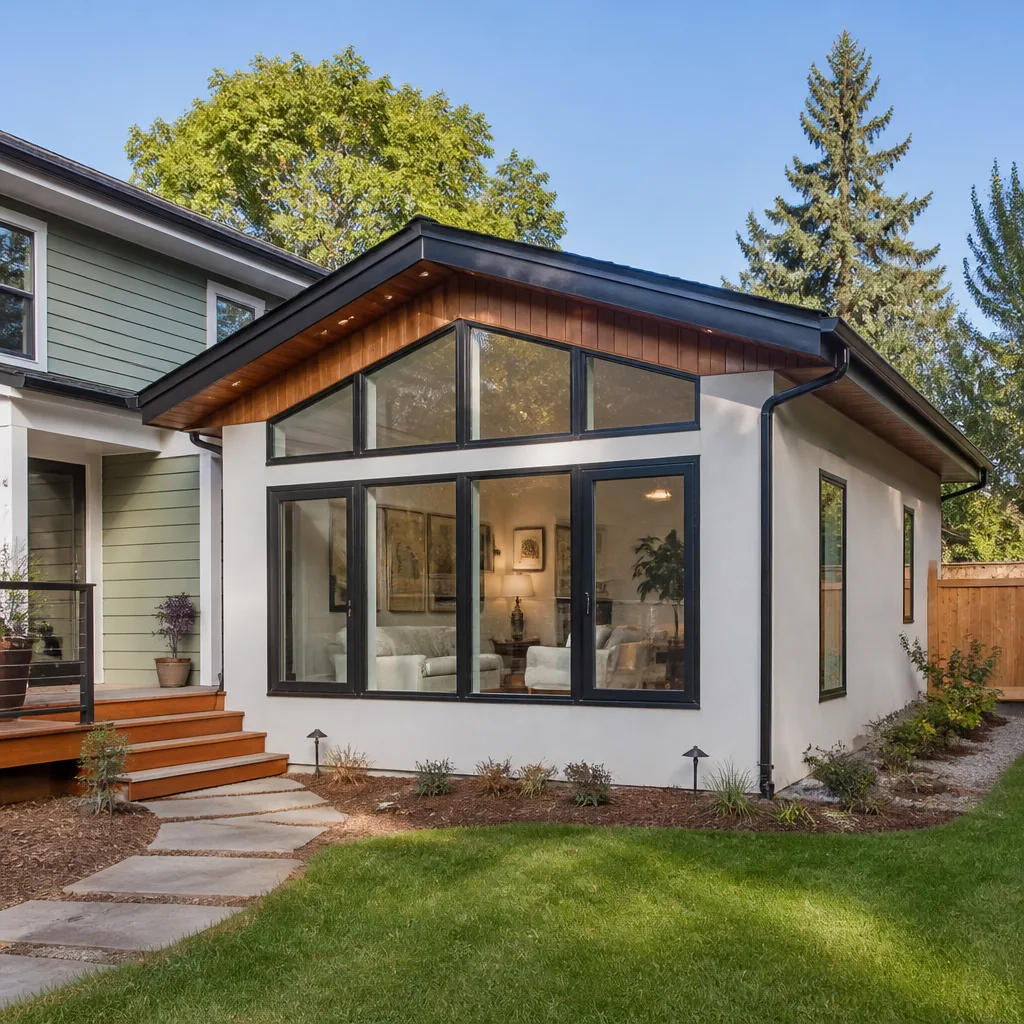
Unilock home additions and ADU builds in Fresno typically run $45,000 – $130,000 installed, depending on square footage, foundation work, and whether you’re adding living space to the existing structure or building a detached unit in the yard. We stock the hardscape materials, base prep products, and structural components that Unilock projects require, and we can match your existing Unilock pavers, retaining wall blocks, and coping so the new work reads as one continuous site, not an afterthought. Most Fresno owners discover a problem not through the pavers themselves but through what’s happening underneath them: a settling corner, a wall leaning out of plumb, or an addition pad that’s cracking because the subgrade wasn’t compacted right the first time.
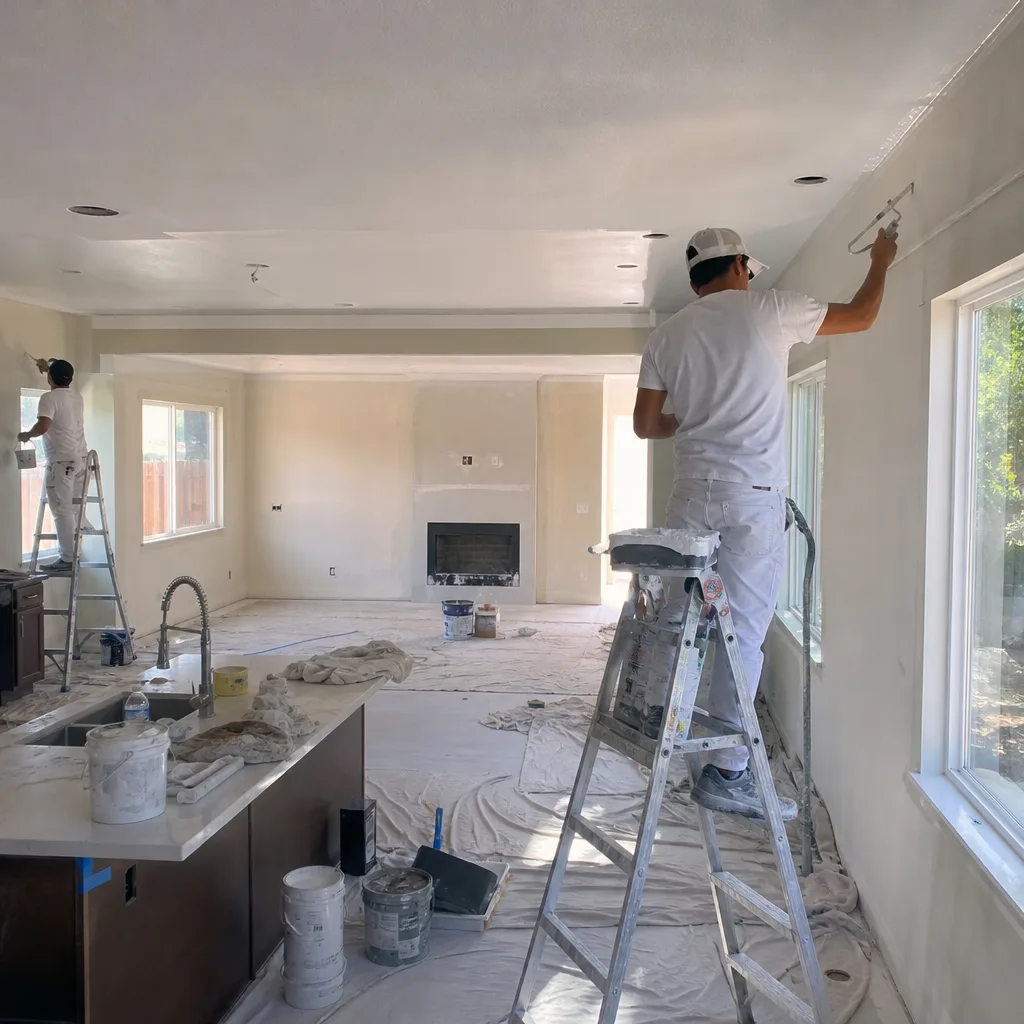
We are an independent contractor, not a Unilock dealer or affiliate. That means we install to Unilock’s specifications without being married to a sales quota. Our interest is the same as yours: the base holds, the joints stay tight, and the addition or ADU doesn’t need a callback in year one.
Key takeaways:
- Fresno installed range: $45,000 – $130,000 for home additions; $90,000 – $220,000 for a full ADU.
- Unilock products fail most often at the base layer, not the paver face.
- Written price before work starts, every time. No numbers that move at the door.
- 365-Day Done Right Promise on every project we complete.
Which Unilock Models This Applies To
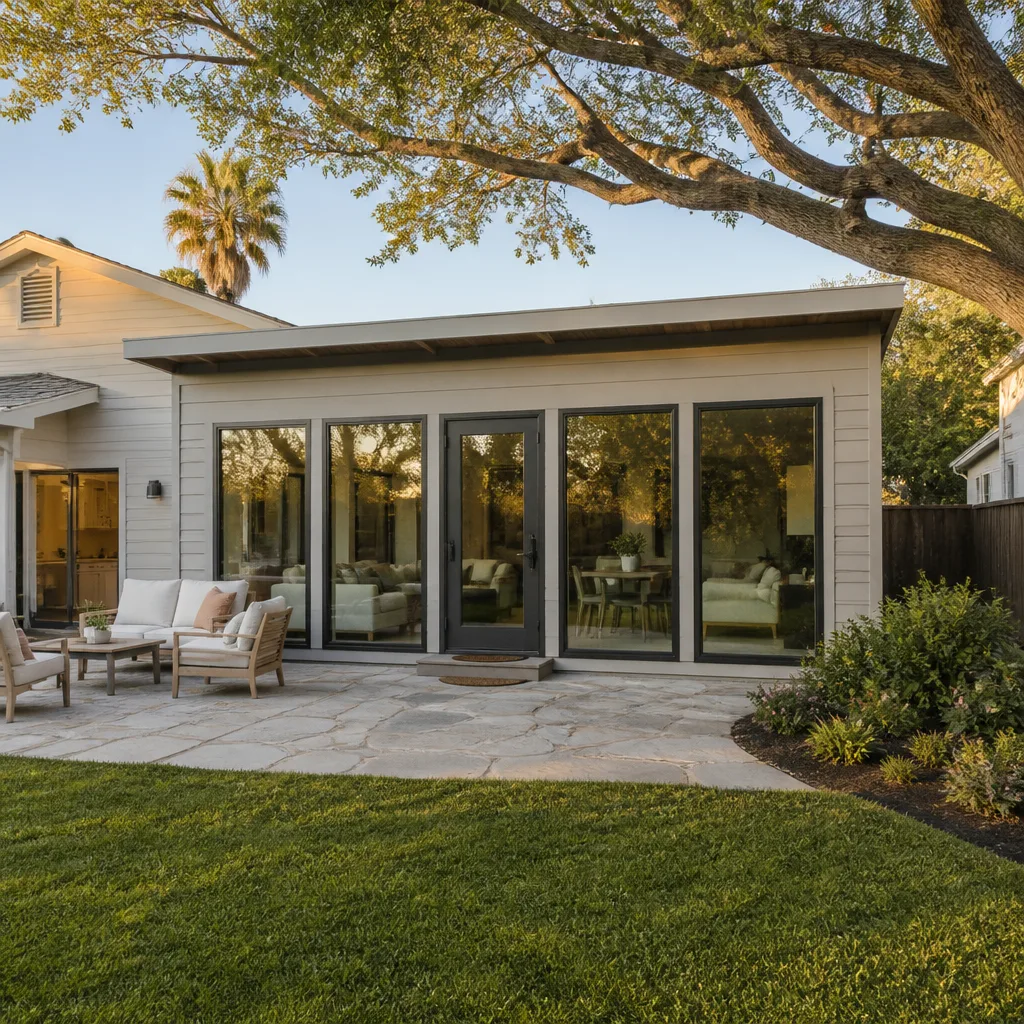
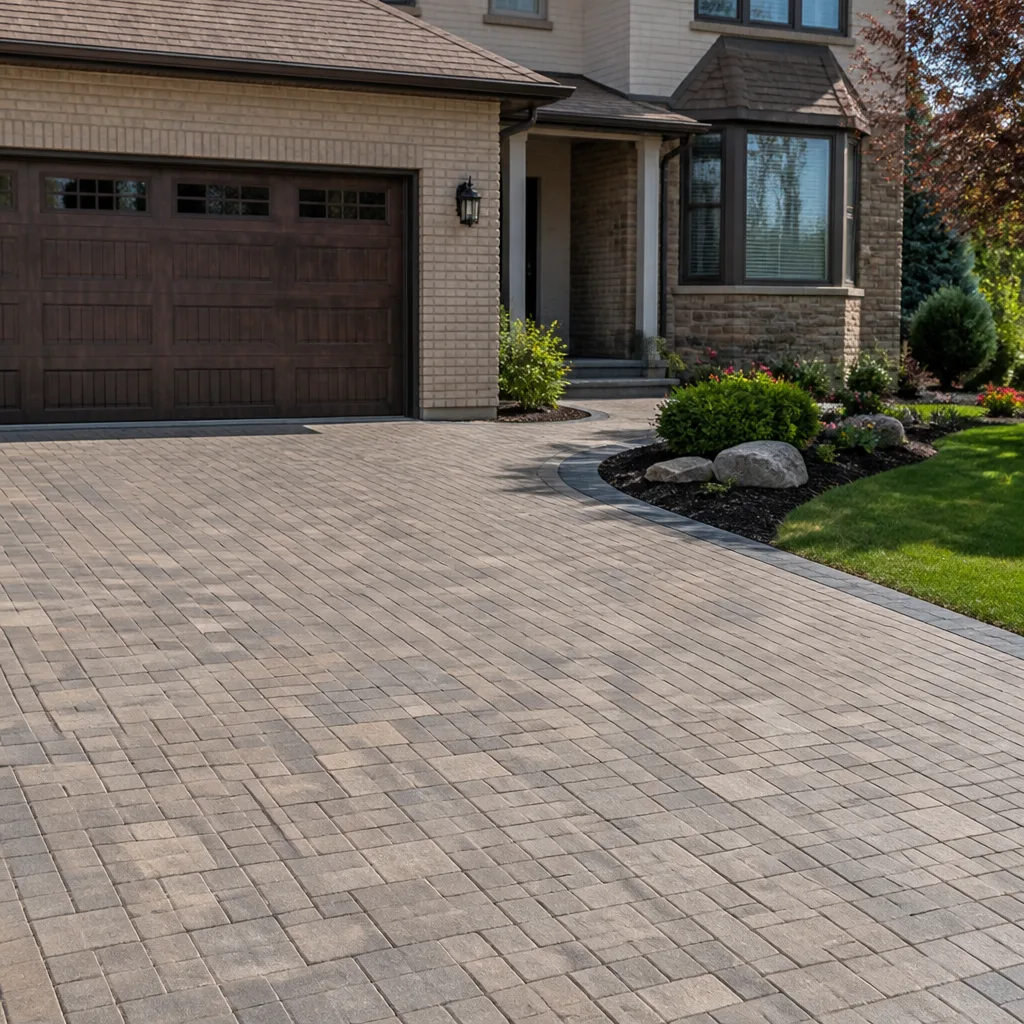
Unilock splits its residential line into families that behave differently under Fresno heat and clay soil: the Richcliff and Thornbury lines for driveways and walkways, the Brussels Block and Courtstone for patios, and the U-Cara multi-face system for vertical surfaces like outdoor kitchens, fire pits, and the skirting on raised additions. The compatibility gotcha most owners hit is thinking any Unilock paver works for any application. It doesn’t. A Richcliff paver has a different chamfer and joint width than a Brussels Block, and if you mix series on a new addition, the joint pattern will look wrong even if the color matches. The paver’s mold number is on the side of the unit, and Unilock’s color codes (Sierra, Sandalwood, Opal, and so on) shift slightly between production runs. We match by mold number first, then by color blend.
For the structural work under a home addition or ADU, Unilock products are almost never the failure point. The base is. Fresno’s shrink-swell clay moves with moisture, and a base built without geotextile fabric and proper aggregate depth will telegraph every crack straight up through the paver surface. When we specify an addition or ADU project, we write the base spec into the estimate: depth of compacted AB, fabric layer, edge restraint type. That’s not guesswork, and it’s not up for interpretation once the crew shows up.
OEM versus aftermarket matters more for lighting and edging than for the pavers themselves. Unilock’s integrated paver lighting and aluminum edging are engineered for their specific paver profiles. We’ve seen aftermarket edging from the big-box stores fail in two Fresno summers because the steel gauge is too thin and the spike pattern doesn’t match Unilock’s mold dimensions. On a $45,000 addition, saving $200 on edging is a bad trade. We spec the real thing.
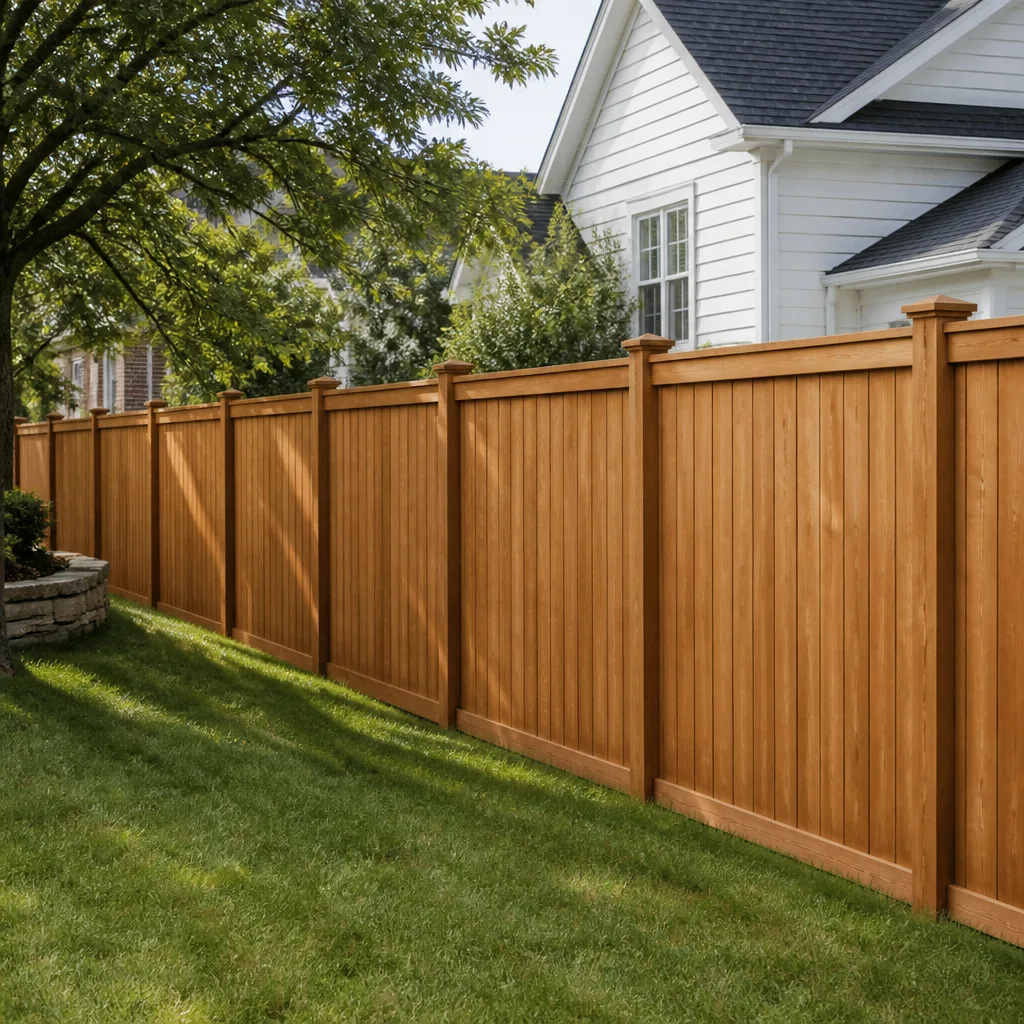
Styles & brands we work with
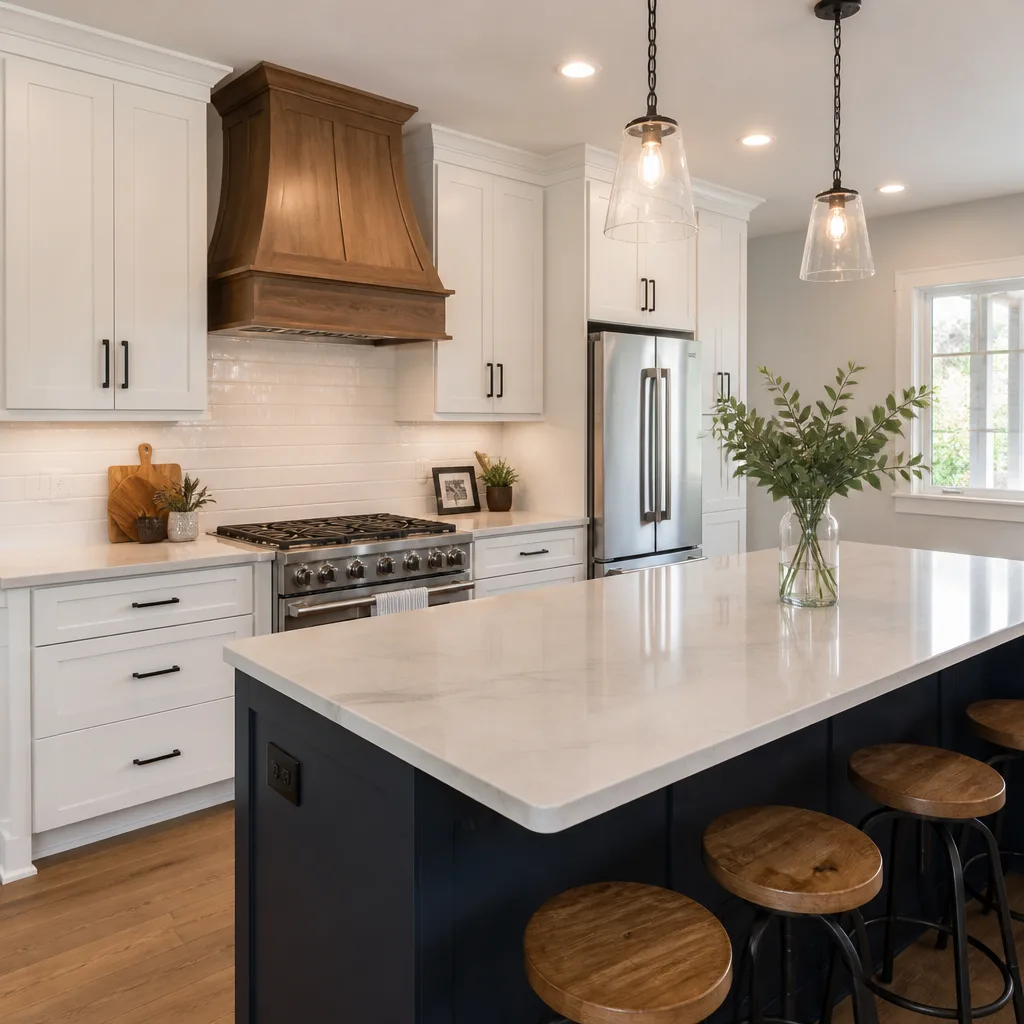
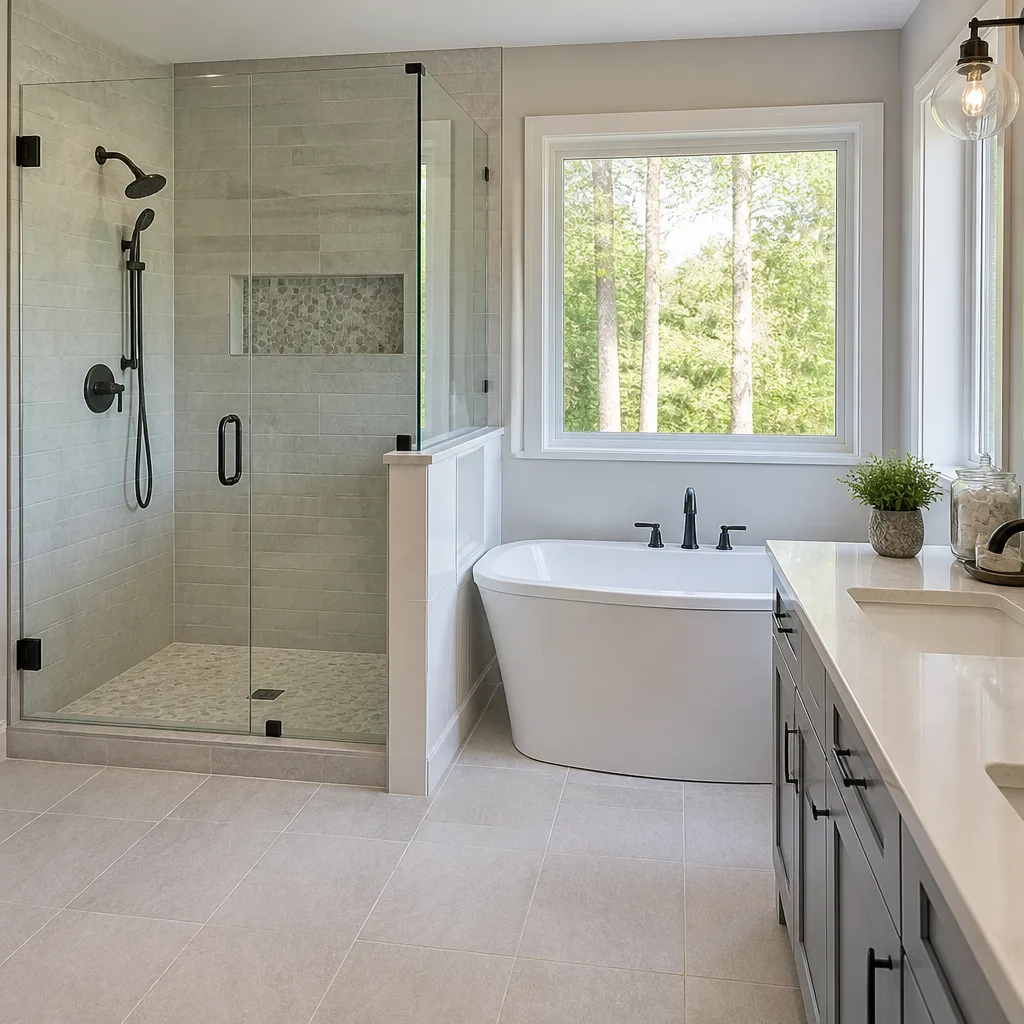
Signs Your Unilock Home Additions & ADU Is Failing
- Settlement at the transition line. Where the new addition meets the original slab or foundation, you’ll see a hairline gap open or the pavers drop a quarter-inch. This is almost always base compaction, not the Unilock product. The soil under the new work wasn’t compacted to 95% density, and Fresno’s clay is now doing what under-compacted clay does.
- Joint sand washing out after rain. If the polymeric sand keeps disappearing from the joints, water is moving through the base instead of off the surface. That water is softening the subgrade, and in Fresno’s wet winters followed by dry heat, the cycle chews through a base fast.
- Retaining wall blocks leaning or bulging at the midpoint. A Unilock wall that’s bowing out usually means it was built without adequate drainage stone behind it, or without geogrid on walls over three feet. The soil behind the wall got heavy with water and started pushing. Wall blocks don’t spontaneously lean; the dirt behind them does the pushing.
- Paver surface chipping at the edges in high-traffic areas. This is often a bedding sand issue: too much sand, and the pavers shift under load and chip against each other. Unilock specs a one-inch maximum bedding layer. We routinely see installs with two or three inches because it’s faster than grading the base flat.
- ADU pad cracking inside the paver field. Hairline cracks running in a grid pattern across a new ADU parking pad or walkway point to concrete underneath that was poured too wet or cured too fast in Fresno’s summer heat. The concrete shrinks, and the pavers above it mirror the crack.
Replacement Cost & What’s Included
For a home addition tied into Unilock hardscape, the $45,000 – $130,000 Fresno range covers demolition of the failed area, subgrade correction, base rebuild with proper aggregate and compaction, new Unilock product, edge restraint, and polymeric sand. A standalone ADU build runs $90,000 – $220,000 depending on whether you’re doing a garage conversion, a prefab-style unit, or a ground-up build with kitchen and bath rough-in.
What moves the price inside those ranges: how much bad base has to come out, whether the existing Unilock product can be salvaged and reset, access for equipment, and whether the addition needs foundation work or just slab-on-grade prep. We don’t bury those variables. Your written estimate separates demo, base prep, materials, labor, and disposal, and the number you sign is the number you pay. No change orders because we “found something.”
Every project carries the 365-Day Done Right Promise. If anything we installed fails inside a year, we come back and correct it at no charge. In writing, before the first tool comes out.
See the difference
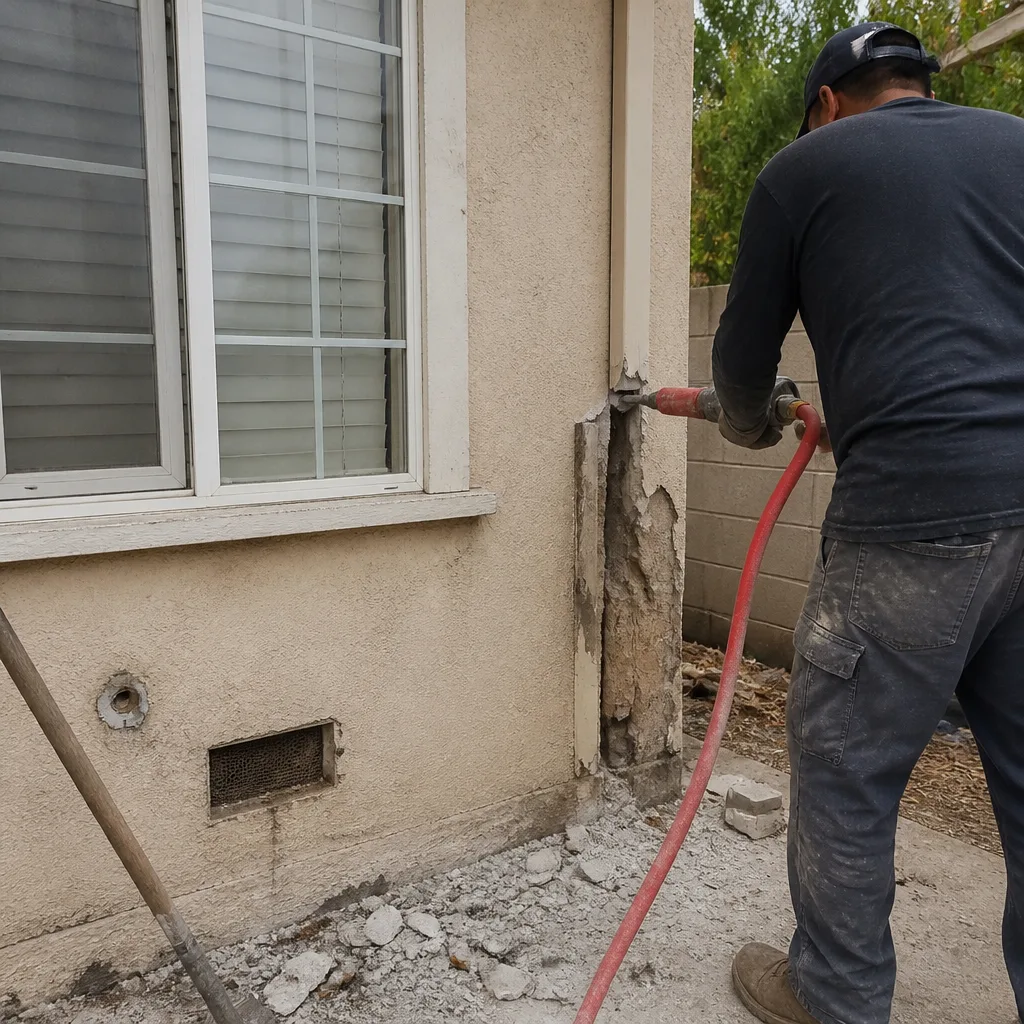 Before
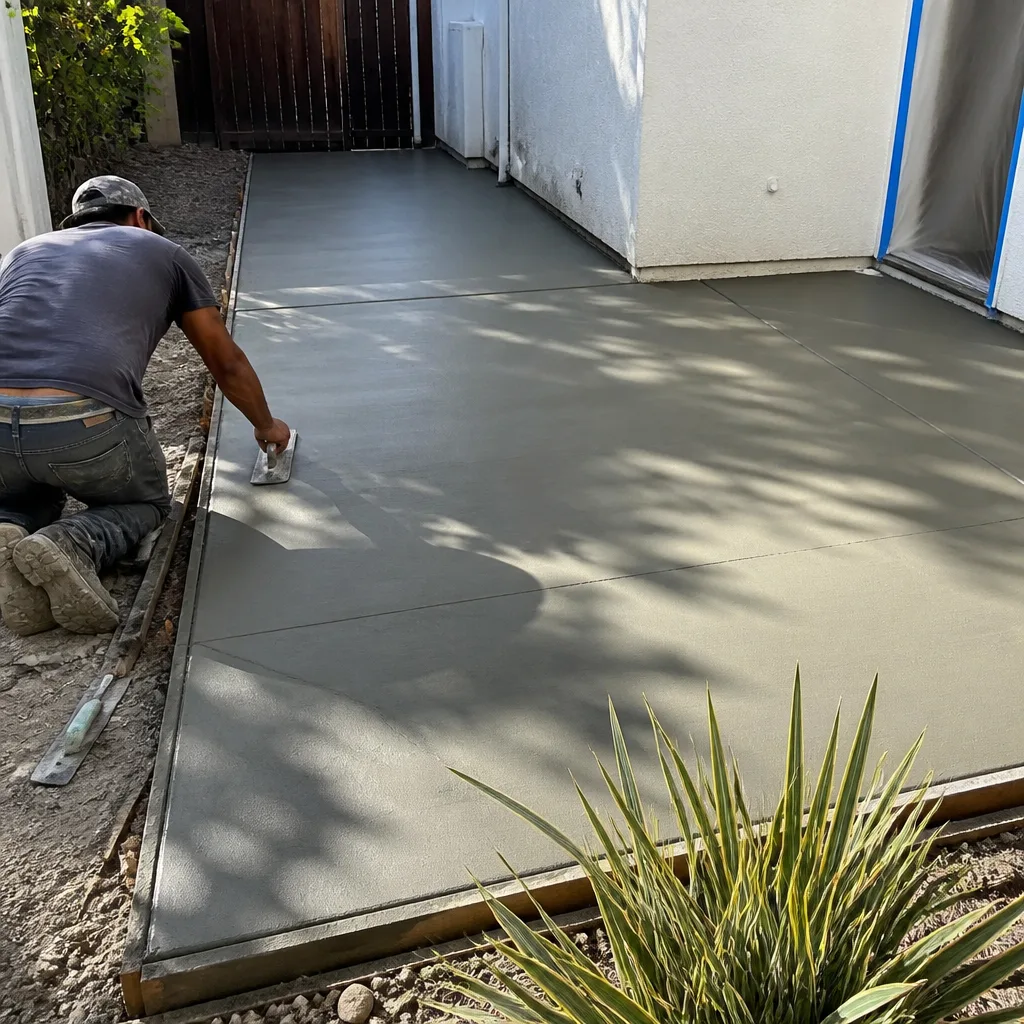 After
After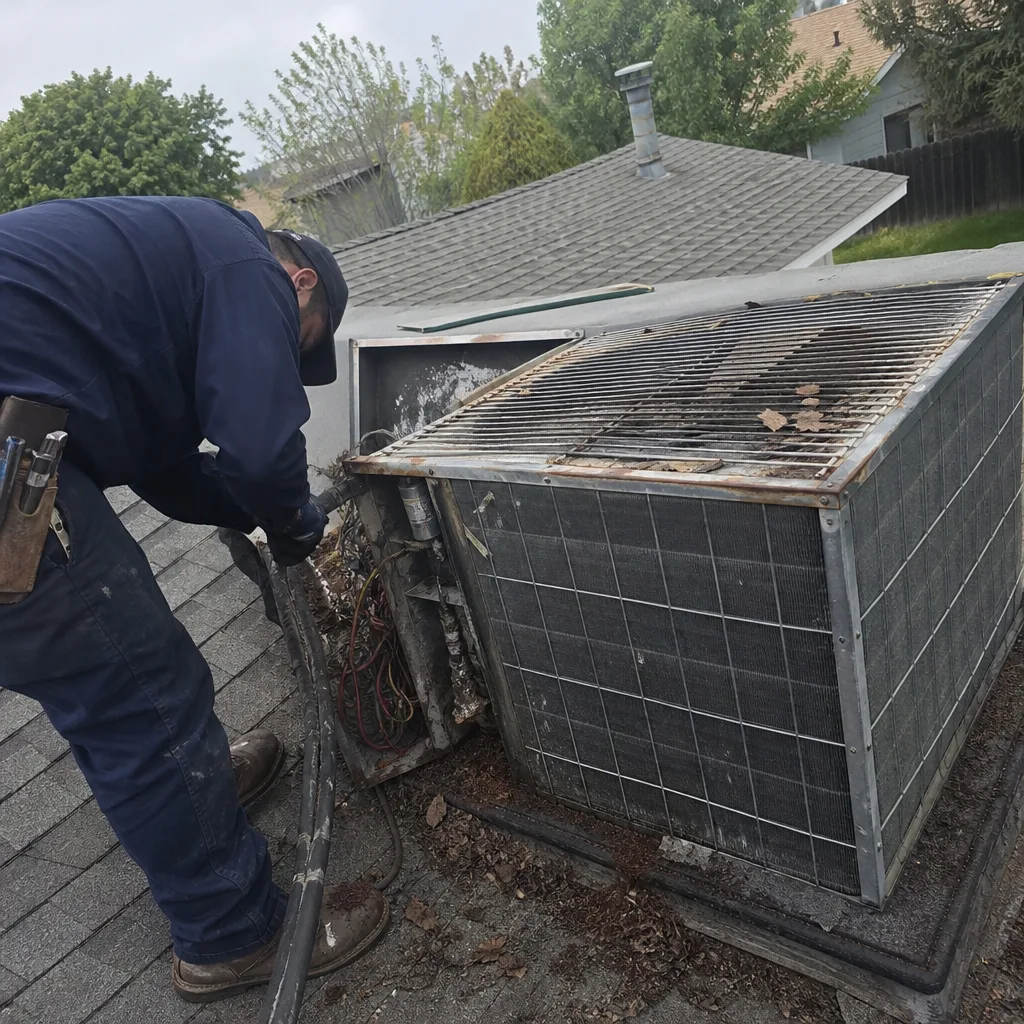 Before
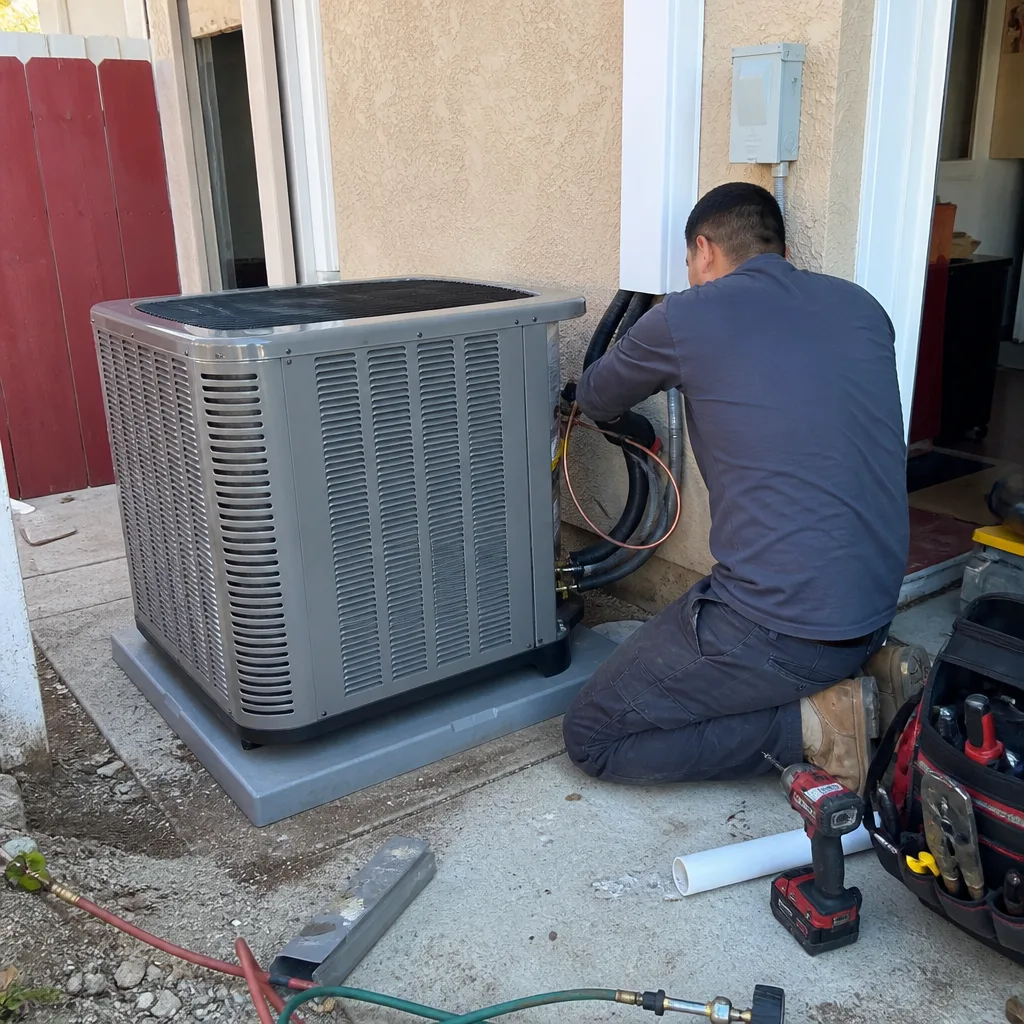 After
After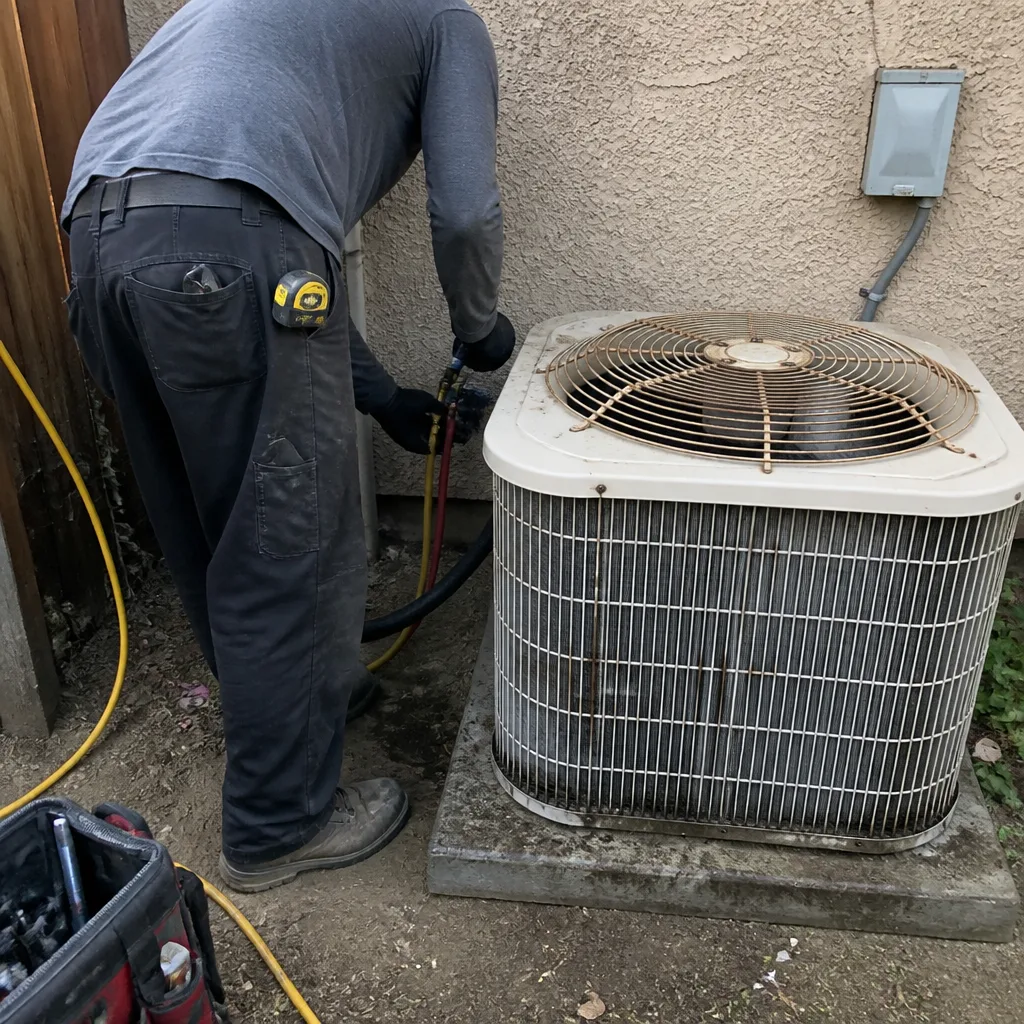 Before
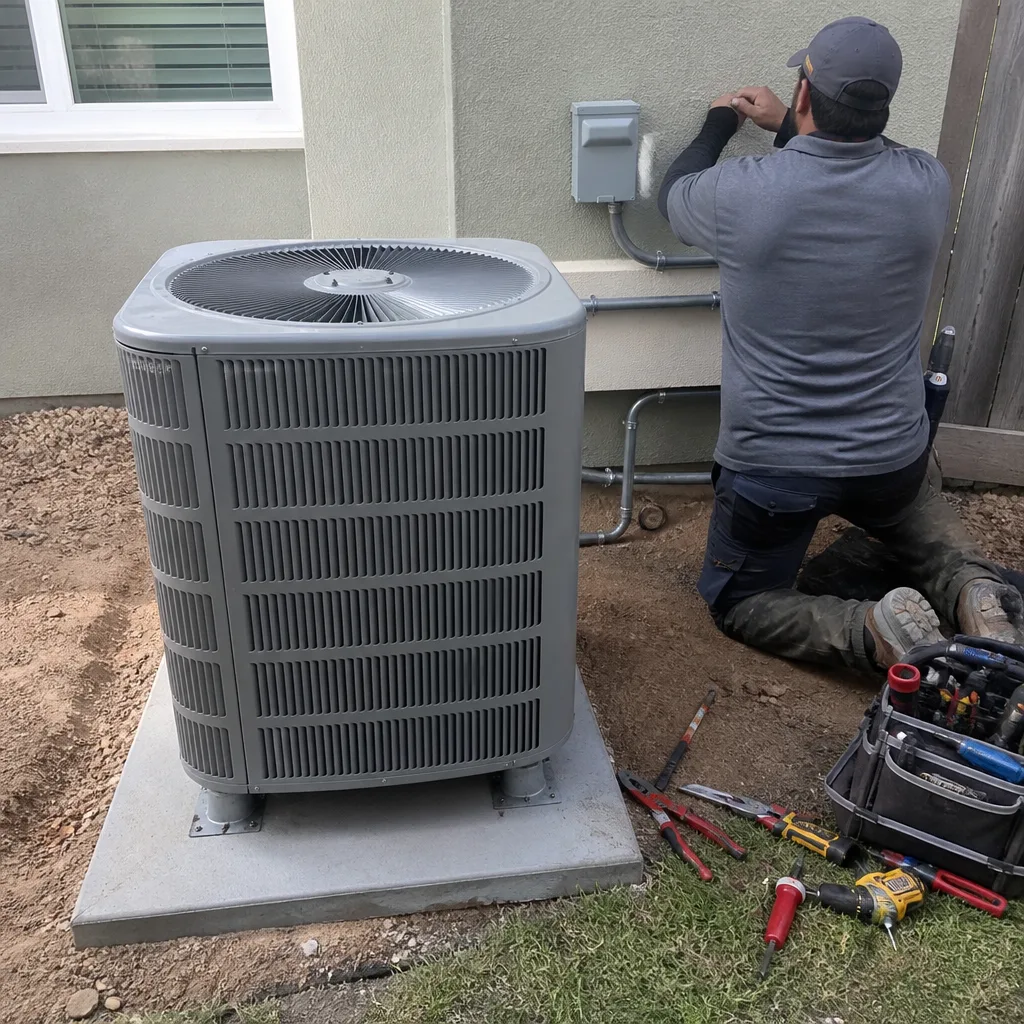 After
AfterDIY or Call Us?
What you can safely check yourself: whether the joint sand is intact, whether water pools against the addition footprint, whether a wall is visibly out of plumb. A level and a tape measure will tell you a lot. What you shouldn’t do is pull up a section of failed pavers and start rebuilding the base by hand. The compaction equipment matters. A hand tamper won’t hit 95% density no matter how many passes you make, and in Fresno clay that means the repair fails again in one wet season. Same goes for any retaining wall work over three feet: the wall holds back heavy, waterlogged soil, and if it lets go while someone’s in the trench, that’s a burial, not a bad Saturday. That’s not a scare line. That’s the physics.
If you’re seeing settlement or a bulging wall, call (559) 785-2712. We’ll come look at it, give you a written number, and tell you honestly whether it’s a repair or a rebuild.
FAQs
A properly built base under Unilock pavers in Fresno should last 25 – 30 years before needing meaningful rework. The pavers themselves will generally outlast the base. The things that shorten that lifespan in our climate are poor compaction at install, missing geotextile fabric, and drainage that allows water to sit under the field. If the base was built right, what you’ll see over two decades is gradual joint sand loss and minor settlement of an eighth-inch or so, not plateaus and waves. Call (559) 785-2712 for an exact assessment of your site, and we’ll give you a straight answer on what’s actually going on underneath.
In most cases yes, individually or in sections. We pull the affected area, correct the bedding and base issue that caused the failure, and reset the original pavers if they’re intact. Full replacement only makes sense when the original install was so far out of spec across the whole field that spot repairs would chase the problem forever, or when the product line is discontinued and matching units aren’t available. The estimate says what we build, and we build what the estimate says. Call (559) 785-2712 and we’ll tell you which one you’re looking at.
A hardscape tie-in for a home addition typically runs 3 – 7 working days once demo starts, assuming we’re not rebuilding a full base under a large paver field. A full ADU build with Unilock hardscape, kitchen and bath rough-in, and foundation work runs 3 – 6 months depending on city permitting in Fresno and how much site work the lot needs. We give you a schedule in the written estimate, not a verbal promise. Call (559) 785-2712 to get a real timeline for your specific project.
We don’t keep full pallets of Unilock pavers sitting in a Fresno yard, and neither does anyone else who’s honest about it. What we do stock is the repair-grade materials that get used on every project: edge restraint, polymeric sand in multiple tones, geotextile fabric, and AB aggregate. The Unilock product itself we order directly against your mold numbers and color codes, which usually lands in Fresno inside a week. For smaller sections that need matching, we’ll pull samples and confirm color and profile before a single pallet is ordered. Call (559) 785-2712 for availability on your specific product.
Get a Written Price Before Any Work Starts
If your Unilock addition or ADU project is settling, cracking, or just wasn’t built right the first time, we’ll come out, look at the base, and hand you a written estimate with a fixed number. No pressure, no countdown, no “while we’re in the neighborhood” pricing games. Curtis Lane and the crew at Bradford Remodeling Co Fresno have been correcting bad base work across Fresno long enough to tell you what’s wrong in the first ten minutes. Call (559) 785-2712 to schedule your free estimate.
Written by Curtis Lane, Owner, Bradford Remodeling Co Fresno at Bradford Remodeling Co Fresno, serving Fresno and nearby areas.