Last updated October 16, 2026








Free written scope consultation - allowances, timeline, and change-order rules on paper before a single trade is scheduled
General Contractor Maintenance Checklist for Fresno Homeowners
Stucco covers roughly 80% of homes in Fresno, and the single most expensive maintenance mistake we see is a homeowner painting over hairline cracks instead of repointing them. That thin coat of paint seals moisture inside the wall cavity, and two Valley summers later a $200 cosmetic fix has become a $4,000 water-damage repair. This guide walks you through what to inspect, when to inspect it, and which findings genuinely need General Contractor services versus which ones you can handle on a Saturday morning.
Quick Answer
A Fresno home maintenance checklist starts with the exterior envelope: stucco, roof penetrations, grading, and window seals. Inspect the envelope twice a year, ideally in October before tule fog season and again in April after winter moisture has done its damage. Document every repair with a licensed contractor’s written scope, because insurance claims for water damage in Fresno routinely get denied when maintenance history is thin.
Styles & brands we work with






Table of Contents
- Stucco Inspection: Shrinkage Cracks vs. Structural Cracks
- Tule Fog Season: What It Does to Attics and Ductwork
- The Right Walkthrough Sequence: Envelope, Penetrations, Mechanical
- Concrete Flatwork: When Sealing Helps, When It Hurts
- Which Maintenance Items Affect Your Insurance Claim
- A Fresno Seasonal Maintenance Calendar
- What a Contractor-Led Inspection Should Include
Stucco Inspection: Shrinkage Cracks vs. Structural Cracks
Stucco is the dominant exterior finish in Fresno for good reason: it handles 105-degree afternoons without buckling, and it holds up under decades of UV exposure. But it does crack, and not all cracks mean the same thing. Learning to read them from the ground saves you from ignoring a structural problem or overpaying for a cosmetic one.
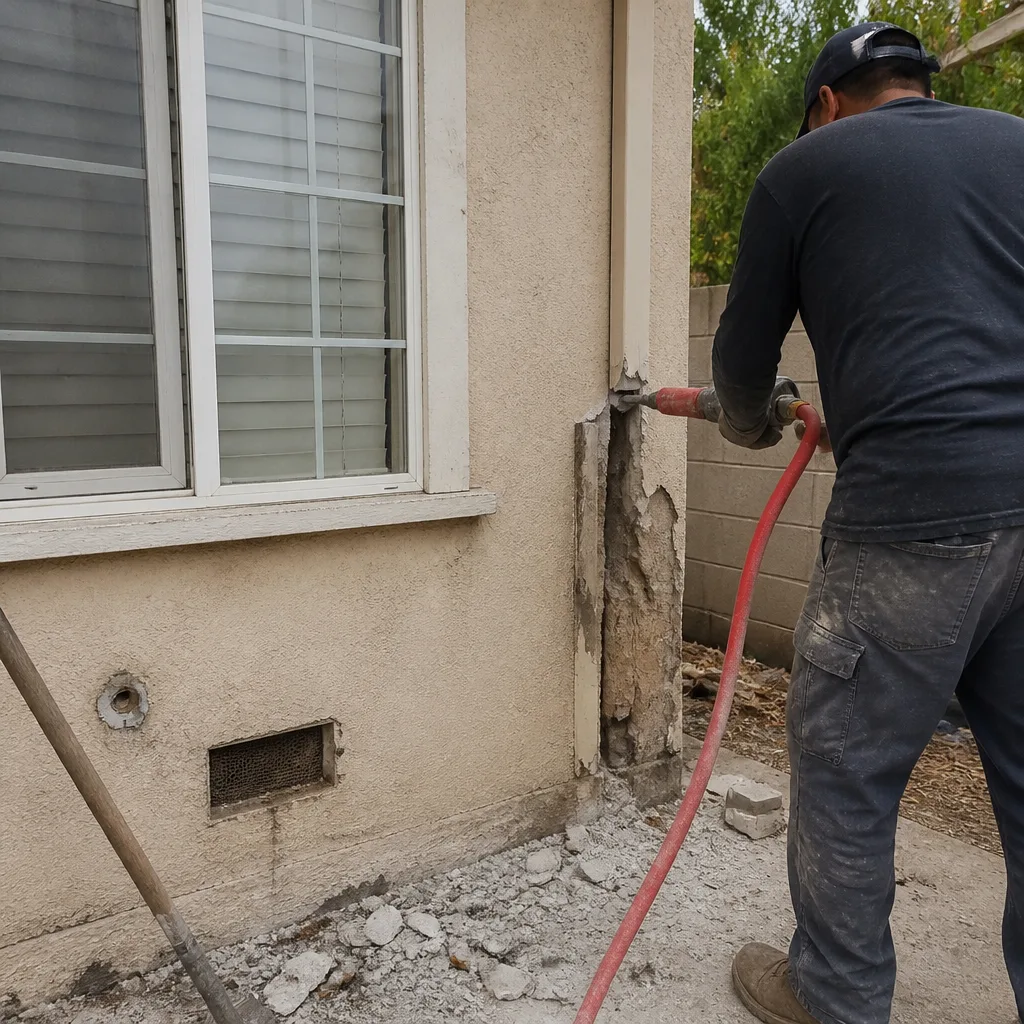
Shrinkage cracks are thin, usually less than 1/16 inch wide, and they run in a spiderweb or stair-step pattern across a wall. These form when the cement paste loses moisture during the original cure, which means they were likely there within the first year after the home was built. They are cosmetic. You can repoint them with a flexible acrylic caulk rated for stucco, and the repair will hold for years. Quikrete and Sika both make products that work well in the Central Valley’s temperature swings.
Structural cracks are a different animal. Look for cracks wider than 1/8 inch, cracks that run diagonally from a window corner, or cracks that align with a visible foundation crack below. These indicate movement: expansive clay soil swelling and shrinking, a settling foundation, or water eroding the base under a slab edge. From the ground, check whether the crack passes all the way through the stucco into the sheathing. If you can see shadow inside the crack or if the edges of the crack are no longer flush with each other, that’s a structural signal. That’s a call to a General Contractor in Fresno who can trace the movement to its source before any surface repair.
What a Contractor Should Do When They Find a Structural Crack
- Map the crack and check the corresponding interior wall for the same movement pattern.
- Inspect the foundation and perimeter grading for drainage issues that may be feeding soil movement.
- Determine whether the crack is active or dormant before specifying a repair.
- Write a repair scope that includes substrate repair, not just surface patching.
In neighborhoods like Woodward Park and Sunnyside, where mature trees sit close to foundations, we regularly see cracks driven by root systems drawing moisture from expansive soil. The stucco crack is the symptom. The tree root is the cause. Any repair that skips that analysis is a repaint waiting to fail.
Tule Fog Season: What It Does to Attics and Ductwork
Fresno’s tule fog runs from November through February, and it creates a condensation cycle that summer inspections completely miss. Dense fog pushes moisture into attics through ridge vents, gable vents, and any gap in the roof sheathing. That moisture condenses on cold framing, settles into insulation, and sits there for weeks. Then the afternoon sun burns the fog off, the attic heats up, and the moisture evaporates back into the air. The cycle repeats daily for three months.
The damage shows up in three places. First, roof sheathing: repeated condensation softens OSB and plywood, which loses its nail-holding capacity. Loose shingles follow. Second, attic framing: the top plates and rafter tails, especially where they meet exterior walls, stay damp long enough to support mildew and, given enough cycles, wood decay. Third, HVAC ducts: uninsulated metal ducts running through a fog-wet attic condense on the inside and outside simultaneously, which degrades insulation wrap and introduces moisture into the air stream.
A fall attic inspection should happen before the fog season, not during it. You want to find exposed fasteners, missing insulation baffles, and gaps at vent boots while the attic is dry and accessible. In our experience across Fresno, the first week of November is the practical cutoff; after that, fog days make attic work slower and less reliable.
Fall Attic Inspection Points
- Rust or corrosion on exposed roof fasteners, especially around gable ends.
- Insulation that has settled below the top plate or been pushed away from soffit vents.
- Duct joints that have separated or lost their tape seal.
- Dark staining on sheathing, a sign moisture has already been condensing.
- Bathroom exhaust fans venting into the attic instead of through the roof.
The fix sequence matters here too. Reseal the duct joints and repair vent boots before adding insulation; otherwise you spend money trapping moisture under a fresh blanket.
The Right Walkthrough Sequence: Envelope, Penetrations, Mechanical
Most homeowner maintenance checklists are written as a list of rooms, which is backwards for a Fresno house; for more guides & resources tailored to local conditions, start with the envelope-first approach. The correct order is exterior envelope first, then penetrations, then mechanical systems. Doing it in any other order causes missed defects, because the envelope tells you where water is getting in, and the mechanical systems tell you where moisture is getting trapped. You can’t see the second problem until you’ve confirmed the first.
The Exterior Envelope
Start at the roofline and work down. Check the roof for lifted or cracked shingles, exposed nails at ridge caps, and dry rot at fascia boards. Then check the walls: stucco cracks, weep screed damage at the bottom of walls, and any paint blistering that indicates trapped moisture. Then check the foundation perimeter: grading that slopes away from the slab, downspouts that discharge at least three feet from the foundation, and any soil pulling away from the slab edge during dry months.
Penetrations
Every penetration through the envelope is a potential water entry point. Windows, doors, hose bibs, electrical service masts, dryer vents, and plumbing vents all rely on caulk, flashing, and gaskets that degrade in Fresno’s UV and heat. A penetration inspection is a two-person job from a ladder: one person outside with a hose at low pressure, one person inside watching for water. Focus on window head flashing and door threshold seals first; those fail first.
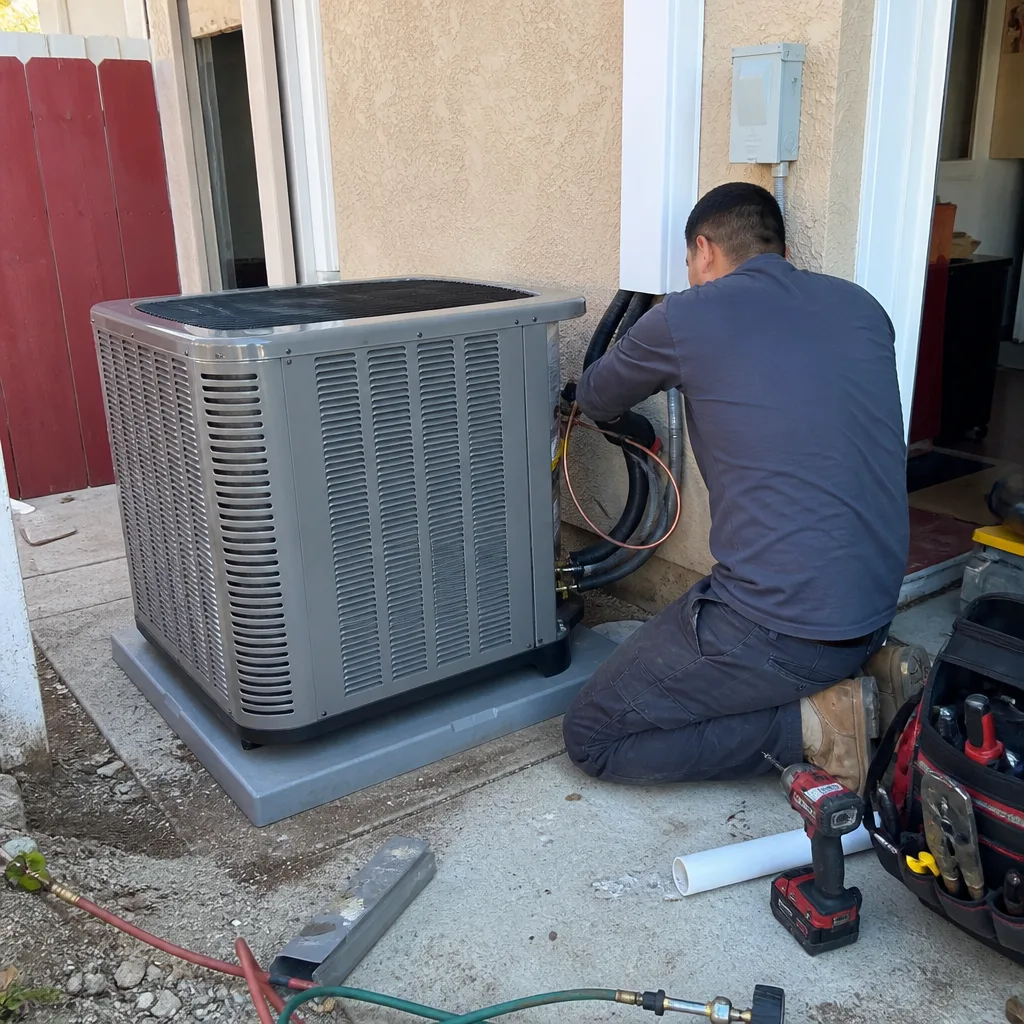
Mechanical Systems
Only after the envelope and penetrations are confirmed watertight do you move to the mechanical systems: HVAC, water heater, and electrical panel. A water heater that passes an inspection in a wall cavity that’s actively leaking is a false pass. The order protects you from missing the cause while treating the symptom.
This is the sequence Curtis Lane uses when Home Remodeling in Fresno projects start with an existing-home assessment. The report reads from the outside in, and it’s written so a homeowner can hand it to any contractor and get consistent findings.
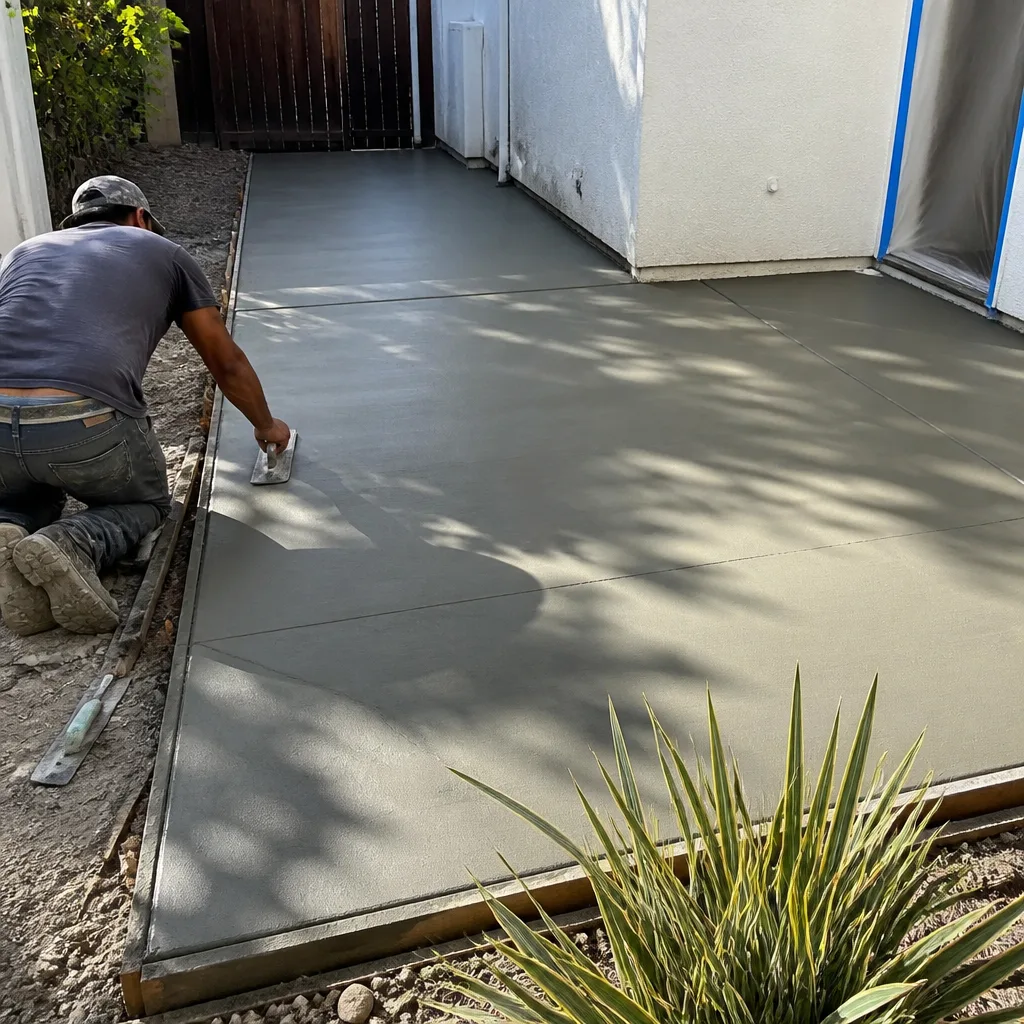
Concrete Flatwork: When Sealing Helps, When It Hurts
Concrete driveways and patios in Fresno live through a brutal heat-cool cycle. A summer afternoon can push slab surface temperatures past 140 degrees. The overnight drop, especially in fall, can swing that surface 70 degrees in a few hours. The slab expands and contracts, and unlike a sidewalk in a coastal city, it does it daily for five months straight.
Sealing concrete is standard advice, and it’s sometimes wrong. Sealing works when the slab is structurally sound and you want to slow moisture absorption and surface wear. An acrylic sealer from Sakrete or V-Seal applied to a healthy slab extends its service life and makes oil stains less likely to set. But sealing a slab that already has spalling, scaling, or working cracks traps existing moisture inside and accelerates the damage. The sealer locks water in the paste layer, the water re-freezes or re-heats under the surface, and the top 1/4 inch delaminates faster than if you’d done nothing.
How to Decide: Seal or Repair First
- Pressure-wash the slab and let it dry for 48 hours.
- Look for exposed aggregate, crater-shaped spalls, or cracks that change width across the day.
- If any of those are present, repair the flatwork before sealing.
- If the surface is sound, seal in October or April when daytime temps sit below 90 degrees.
For patching, Oldcastle and Quikrete both make polymer-modified patch mixes that bond well to Fresno’s typical slab mixes. The key is clean aggregate and a saturated-surface-dry substrate before you trowel. A patch over a dusty slab is a do-over in six months.
Which Maintenance Items Affect Your Insurance Claim
Here’s the part most checklists skip: some maintenance failures void your insurance coverage, and some don’t. Knowing the difference changes what you document and when you call a contractor.
Insurance policies in California treat sudden and accidental events differently than gradual deterioration. A storm blows a branch through your roof: that’s a covered peril. Years of failing to clear gutters leads to fascia rot and water intrusion: that’s maintenance neglect, and your claim will likely be denied. In Fresno, the most common denial trigger is water damage attributed to long-term stucco or flashing failure. If you can’t show a paper trail of inspections and repairs, the adjuster’s default position is that the damage developed over time through neglect.
Which items need contractor documentation versus which you can self-certify? Anything structural or envelope-related should be documented by a licensed contractor with a written scope and dated photos. That includes stucco repairs, roof repairs, flashing work, and foundation drainage corrections. You can self-certify routine items like changing HVAC filters, clearing gutters, and testing GFCI outlets, but even those benefit from a dated log. A spiral notebook with dates and photos beats an empty file when the adjuster asks what you did to maintain the home.
Bradford Remodeling Co Fresno writes every repair scope with the homeowner’s documentation needs in mind. You leave with a dated, written record of what was found and what was done, which is exactly what a claims adjuster wants to see.
A Fresno Seasonal Maintenance Calendar
Two inspections a year covers the practical risk profile for most Fresno homes. Here’s the schedule we recommend, tied to the actual weather patterns of the Central Valley rather than a generic national calendar, as detailed in our Seasonal Construction Care for Fresno: Year-Round Homeowner’s Guide.
October: Pre-Fog Envelope Inspection
- Attic inspection for exposed fasteners, separated duct joints, and vent gaps.
- Gutter clearing and downspout discharge check.
- Stucco crack mapping; repoint shrinkage cracks now before rain drives moisture in.
- Window and door seal check at all penetrations.
- Roof inspection for lifted shingles and flashing gaps.
April: Post-Fog Moisture Check
- Re-inspect attic for dark staining that indicates condensation occurred.
- Check stucco for new cracks that opened during the wet season.
- Inspect concrete flatwork for spalling that surfaced after winter moisture.
- Test all GFCI outlets and exterior fixtures for corrosion from fog exposure.
- Check hose bibs and irrigation backflow devices for freeze damage.
April is also the right time to schedule sealant work on concrete if the slab is sound. You get a long stretch of dry, moderate weather for curing before the summer heat arrives.
What a Contractor-Led Inspection Should Include
Not every maintenance item needs a contractor. Changing an air filter, sealing a small shrinkage crack, and clearing a gutter are homeowner tasks. But when the finding involves the envelope, the roof, or anything that touches structural framing, a licensed contractor’s written assessment is worth the cost, because it becomes your documentation in case of an insurance claim or a future sale.
A contractor-led annual walkthrough should produce a written report, not a verbal summary. The report should list each finding by location, classify it as maintenance, repair, or replacement, and attach a written price for any recommended work. That written price is the difference between a contractor who commits and one who re-prices at the door. Bradford’s written-price commitment comes from The Garrison Standard, a framework our parent company, Garrison Partners, has used since 2004: both the scope and the price are submitted before any work begins, and the homeowner keeps the written guarantee in hand at job close.
For a Kitchen Remodeling in Fresno project, that same walkthrough becomes the foundation of the remodel scope. You should not be making cabinetry and fixture decisions while a slow leak behind the sink wall is still unaddressed. The envelope and mechanicals get resolved first, then the finishes go in.
Common Mistakes to Avoid
- Painting over stucco cracks. Paint seals moisture in and accelerates wall-cavity damage. Repoint shrinkage cracks with a flexible acrylic caulk instead.
- Inspecting the attic in February. Tule fog season is the worst time to assess attic moisture, because damp insulation and sheathing hide the actual source. Inspect in October.
- Sealing concrete without repairing it first. A sealer over existing spalling traps moisture and speeds up delamination. Sound slab first, seal second.
- Skipping the written record. Insurance adjusters deny water-damage claims that lack maintenance history. Keep a dated log with photos.
- Assuming all stucco cracks are equal. A hairline crack is cosmetic. A 1/8-inch crack aligned with a foundation crack is structural movement, and it won’t stop because you caulked it.
- Working outside-in. Fixing interior paint while exterior grading drains toward the foundation is a repeating expense. The envelope leads.
- Trusting verbal quotes. A contractor who won’t put a price in writing before starting is a contractor who can move the number at the door. Written price, every time.
See the difference
 Before
 After
After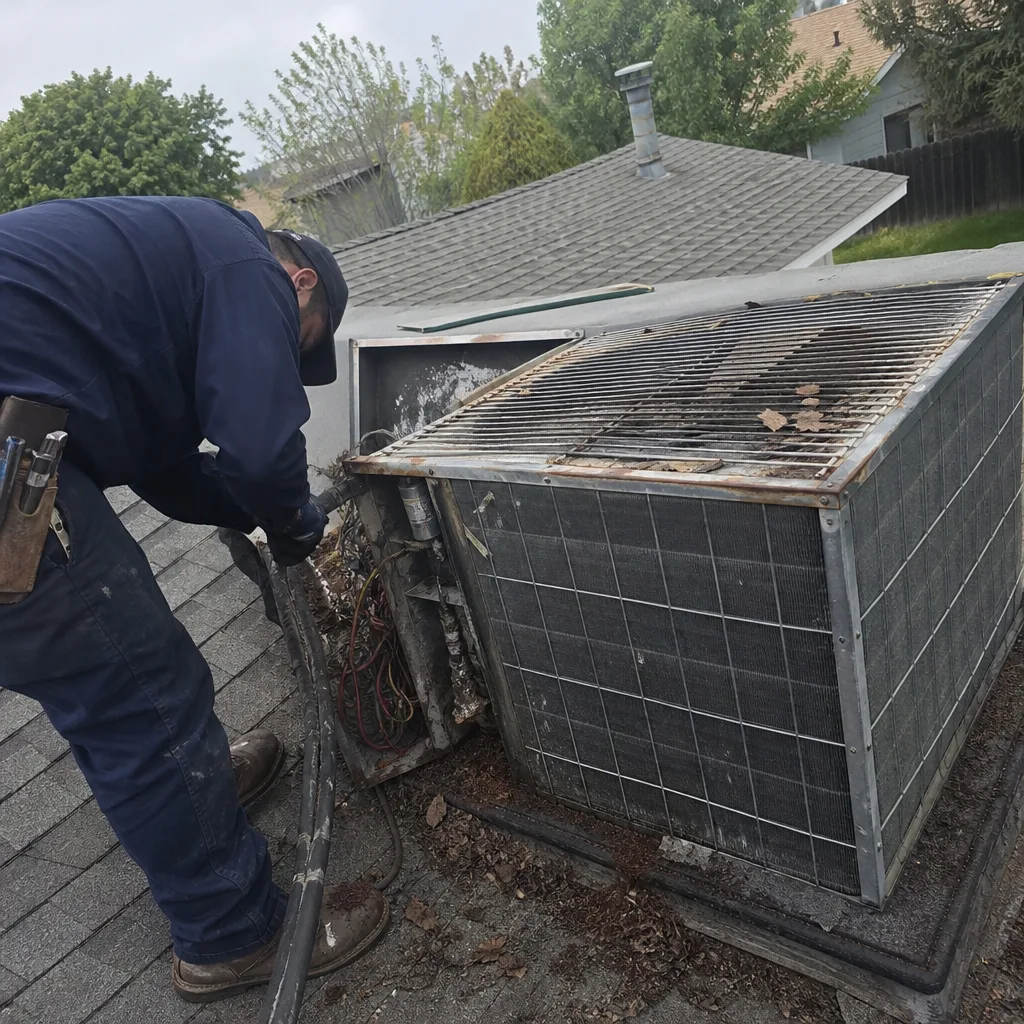 Before
 After
After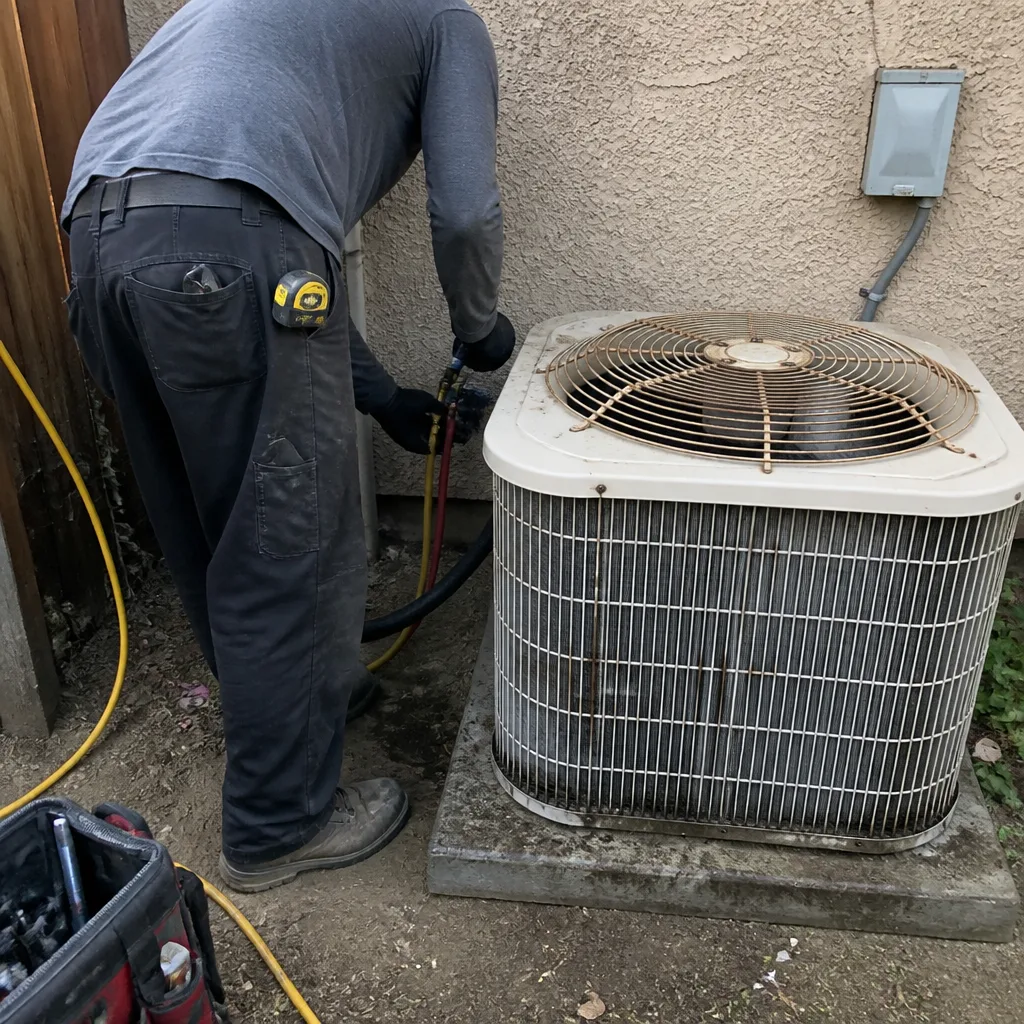 Before
 After
AfterWhen to Call a Professional
Call a contractor when a crack shows signs of structural movement, when attic condensation stains appear, or when any envelope penetration leaks during a hose test. Same for concrete that’s actively spalling, a roof that’s lost shingles in a wind event, or a water heater showing rust at the tank seams. A licensed contractor can document the finding, trace the cause, and give you a written price before work starts. Bradford Remodeling Co Fresno offers free estimates in Fresno. Call (559) 785-2712 to schedule a walkthrough, and you’ll get a written report and a written price, not a verbal ballpark.
Frequently Asked Questions

Repointing a shrinkage crack typically runs $150 to $350 per crack, while a structural crack repair that includes substrate and framing evaluation starts around $800 and can reach $4,000 if water damage has already compromised the wall cavity. Call (559) 785-2712 for an exact quote – estimates are free.
Twice a year: once in October before tule fog season starts, and once in April after the fog has burned off. The October inspection catches venting and fastener problems before the moisture cycle begins; the April inspection verifies whether condensation damage occurred.
Yes. Paint forms a surface barrier that blocks moisture from escaping the wall cavity. Fresno’s fog and winter rain cycles then push that trapped moisture deeper into the sheathing and framing. A crack that would have cost $200 to repoint becomes a several-thousand-dollar repair.
You can change HVAC filters, clear gutters, repoint hairline shrinkage cracks, and test GFCI outlets yourself. Anything that touches the roof, structural framing, foundation drainage, or involves water penetration at the envelope should be documented by a licensed contractor, because those are the items insurance adjusters scrutinize.
Generally not if the adjuster determines the damage developed gradually from lack of maintenance. Sudden events like storm-driven water are covered; years of unchecked stucco failure are classified as neglect. Written maintenance documentation from a licensed contractor is your strongest defense.
A thorough envelope-first inspection of a standard Fresno home takes two to three hours, including attic access, penetration checks, and concrete flatwork review. You receive a written report with classified findings and written prices for any recommended work. Call (559) 785-2712 to schedule one at no cost.
The Bottom Line
Fresno homes live under a specific set of stresses: 100-degree summers, tule fog winters, expansive clay soil, and a stucco envelope that covers most of the city’s housing stock. A maintenance checklist written for a generic American home misses the failures that actually show up here. Inspect the envelope first, document every repair in writing, and treat stucco cracks with the respect they deserve: some are cosmetic, and some are the first visible symptom of a structural problem. Two inspections a year, in October and April, covers the weather cycle that drives most Fresno home damage.
Written by Curtis Lane, Owner at Bradford Remodeling Co Fresno, serving Fresno since 2004.
For more on how Bradford approaches home maintenance and remodeling, see the Bradford Remodeling Co Fresno home page or learn about our Home Remodeling in Fresno services.