Last updated October 16, 2026



Free written scope consultation - allowances, timeline, and change-order rules on paper before a single trade is scheduled
DIY vs Professional Construction: The Fresno Homeowner’s Decision Guide
In California, a homeowner who pulls an owner-builder permit and then sells the property within five years is legally required to disclose that fact to every buyer. If unpermitted work is discovered after close of escrow, liability for correction costs can follow the seller, even after the sale is final. That one fact changes the math on every DIY decision that touches structure, electrical, plumbing, or mechanical systems in a Fresno home. This guide walks through the legal thresholds, the insurance realities, the true cost comparison, and the hybrid approach that lets you self-perform finish work without inheriting liability you didn’t plan for.
Styles & brands we work with

Quick Answer
For cosmetic finish work in Fresno – painting, trim, fixture swaps, backsplash tile – DIY is legally fine and often the right financial call. For anything structural, electrical, plumbing, or requiring a permit, California law generally requires a licensed contractor once the combined labor and materials exceed $500, and DIY work in those categories creates insurance and resale liability that erases any upfront savings. The smart split: hire a licensed general contractor for the permit scope, then self-perform the finish work under a written agreement that keeps permits clean.
Table of Contents
- What California Law Actually Says About DIY Construction
- Which Fresno Projects Are Genuinely DIY-Appropriate
- How DIY Work Affects Your Homeowner’s Insurance in Fresno
- The True Cost Comparison: A Fresno Bathroom Tile Example
- The Hybrid Model: Self-Performing Finish Work Legally
- Resale Disclosure and What a Buyer’s Inspector Will Find
- Common Mistakes to Avoid
- When to Call a Professional
- Frequently Asked Questions
- The Bottom Line
What California Law Actually Says About DIY Construction
California Business and Professions Code Section 7048 allows homeowners to act as their own contractor on their own residence, but there’s a catch most Fresno homeowners never hear: the exemption is personal, not transferable. If you pull an owner-builder permit, perform the work yourself, and then sell the home, the next owner has no protection under the contractor licensing laws that would otherwise cover them. That means the work has to be disclosed, and the buyer’s recourse shifts to you personally.
Contractors State License Board rules require a licensed contractor for any project where the combined cost of labor and materials reaches $500 or more, unless the homeowner qualifies for and files the owner-builder exemption. The $500 threshold is not per trade or per day. It’s per project. A bathroom remodel that touches plumbing and electrical passes that threshold immediately. Even if you intend to do the work yourself, the city of Fresno’s Building and Safety Division will require an owner-builder permit for any scope that triggers plan review.
What does not require a contractor’s license, regardless of dollar amount:
- Cosmetic painting and wallpaper
- Flooring installation, including tile, vinyl, and laminate
- Cabinet hardware and fixture replacement that does not touch plumbing or electrical rough-in
- Landscaping and hardscaping under 18 inches of retained height
- Trim carpentry and crown molding
- Drywall patching and texturing
What does require a licensed contractor in Fresno, with very few exceptions:
- Any structural modification: load-bearing wall removal, header installation, foundation work
- Electrical panel changes, circuit additions, rewiring
- Plumbing rough-in, drain line relocation, water heater replacement
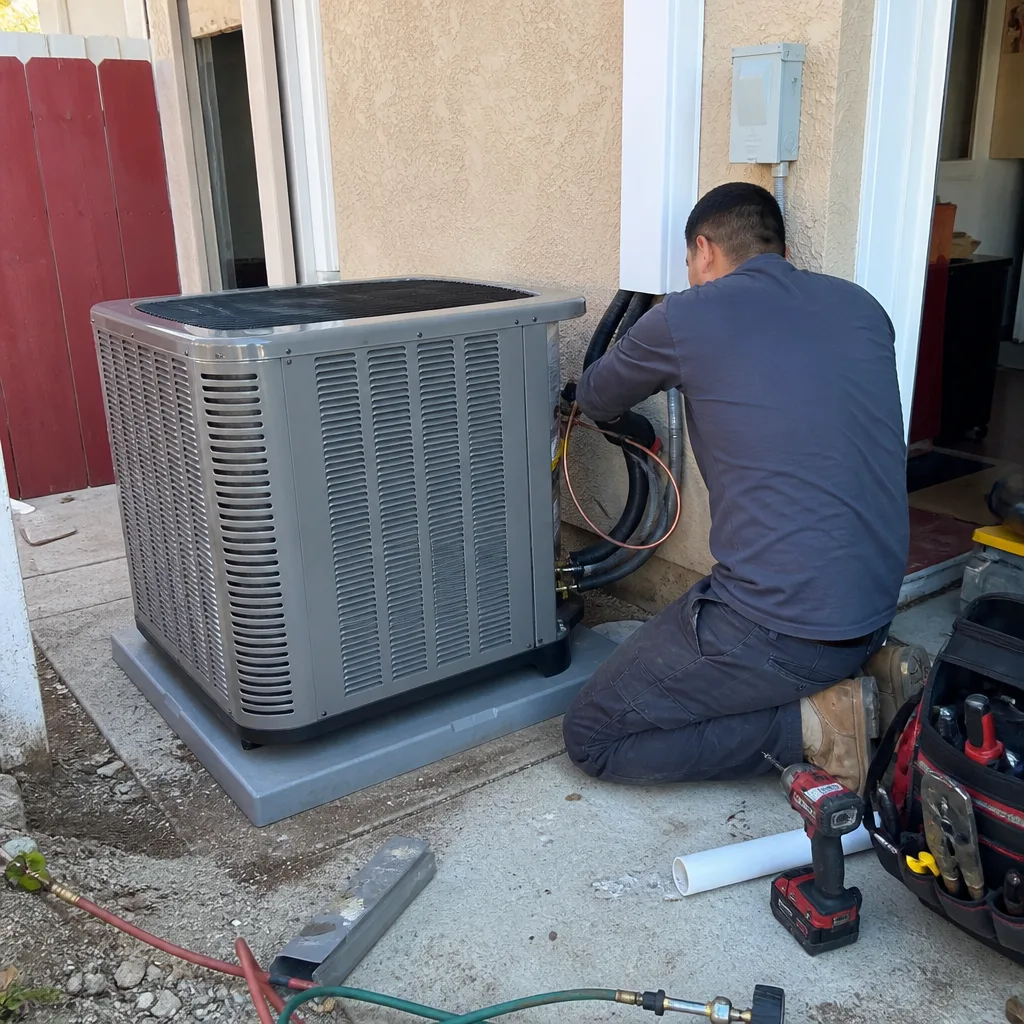
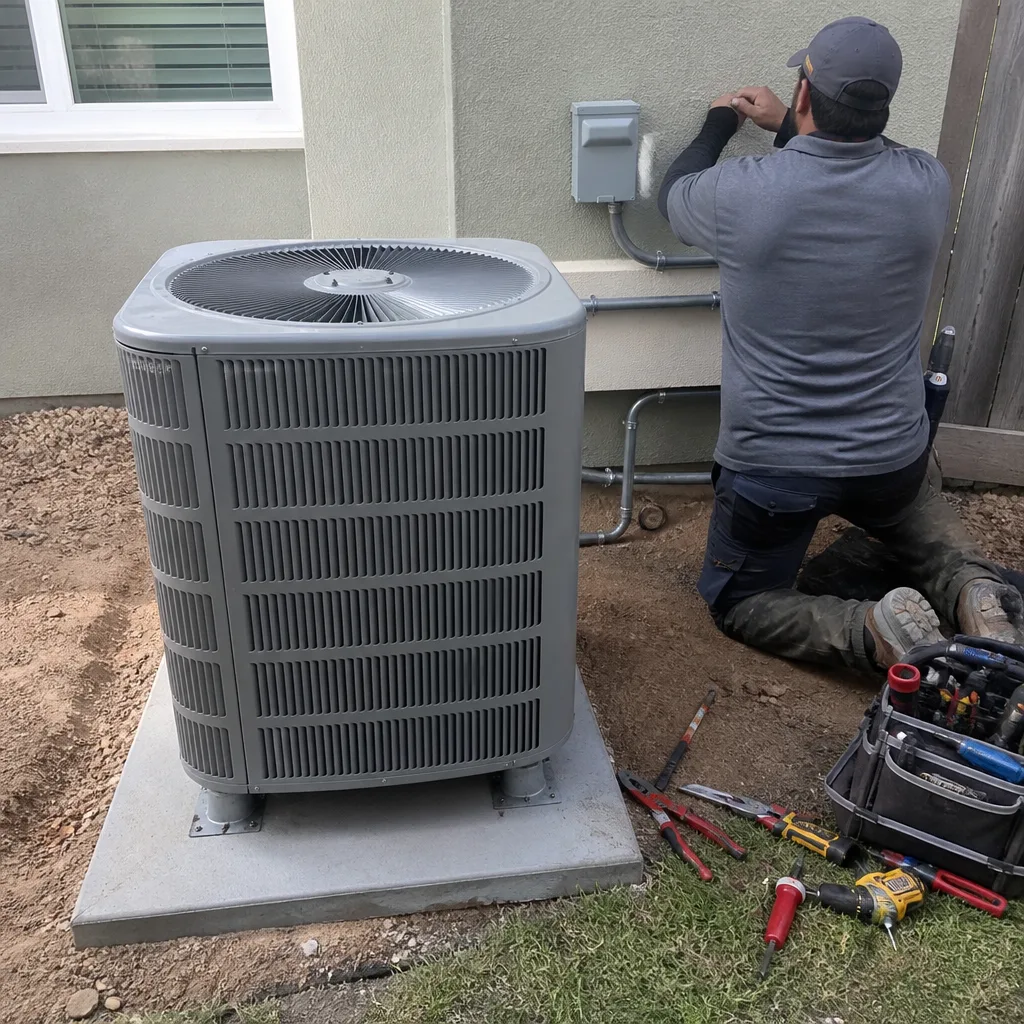
- HVAC duct modification or equipment installation
- Roof structural repair or replacement
- Window or door opening changes that alter framing
We’ve seen Fresno homeowners in neighborhoods like Tower District and Fig Garden start a kitchen remodel thinking the owner-builder exemption covers everything, only to find out at the plan review counter that the electrical and plumbing scope requires a licensed contractor’s signature anyway. The city’s inspectors are specific about this. The owner-builder path gets challenged regularly, and when it does, the project stalls.
The practical takeaway: if your project needs a permit and includes electrical, plumbing, or structural scope, the owner-builder route is technically available but practically loaded with liability. A General Contractor in Fresno who holds a current California license carries the insurance and the permit history that protect you, not just the person who swings the hammer.
Which Fresno Projects Are Genuinely DIY-Appropriate
Fresno’s climate shapes which DIY projects make sense. We get 105-degree summers, occasional freeze warnings in winter, and a hardpan soil that is hard on foundations and exterior finishes. The projects that are safe to self-perform here are the ones that do not touch the building envelope, the electrical system, or the water lines.
Painting is the obvious one. Interior painting in Fresno is straightforward, and the dry climate means paint cures fast. Exterior painting on stucco is also DIY-viable if you prep correctly: wash the substrate, patch the hairline cracks, and use an elastomeric or 100% acrylic exterior paint rated for the Central Valley sun. The sun here destroys cheap paint in three to four years, so buy the good stuff.
Fixture swaps are another DIY-appropriate category, with a boundary line. Swapping a faucet supply line, a toilet, or a light fixture’s trim kit is fine. Moving a drain line, adding a circuit, or replacing a valve inside the wall is not. The distinction is whether you’re working on the finished, accessible surface or the rough-in hidden behind the wall.
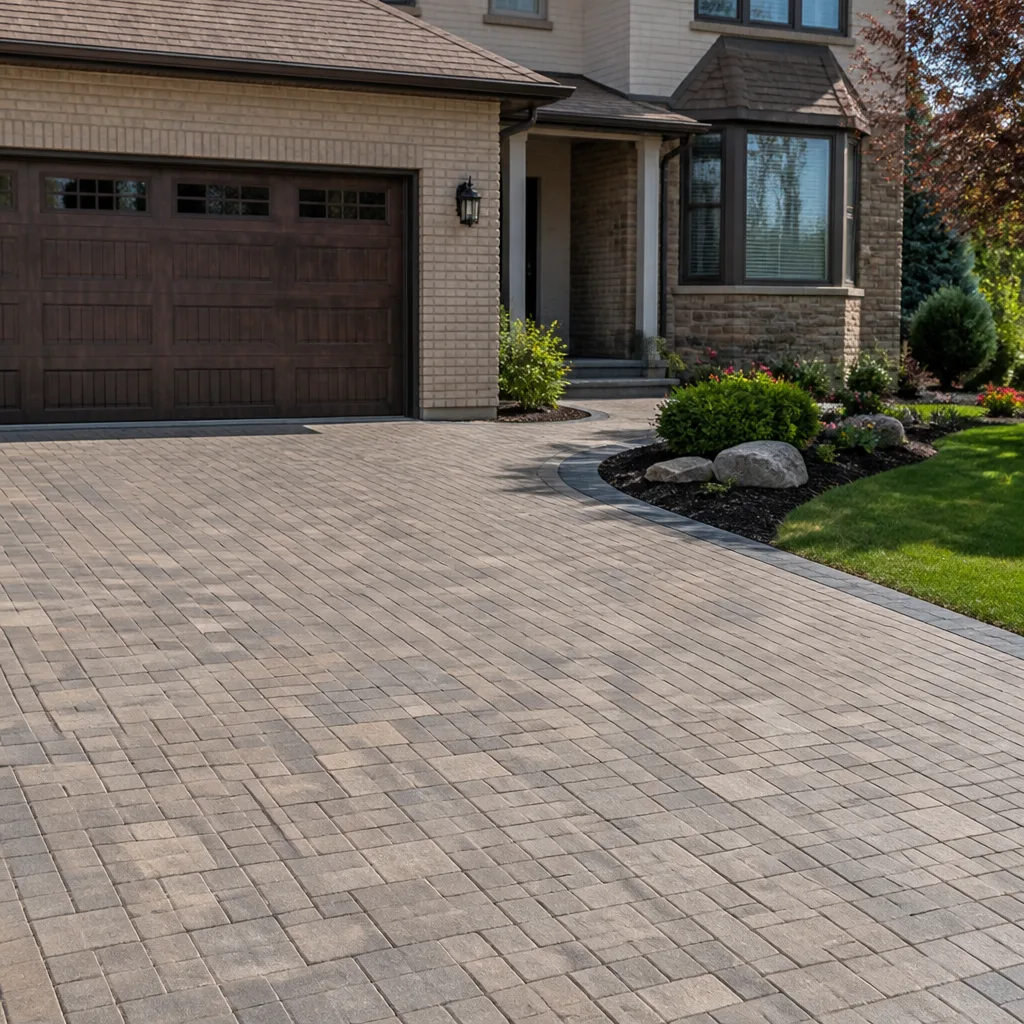
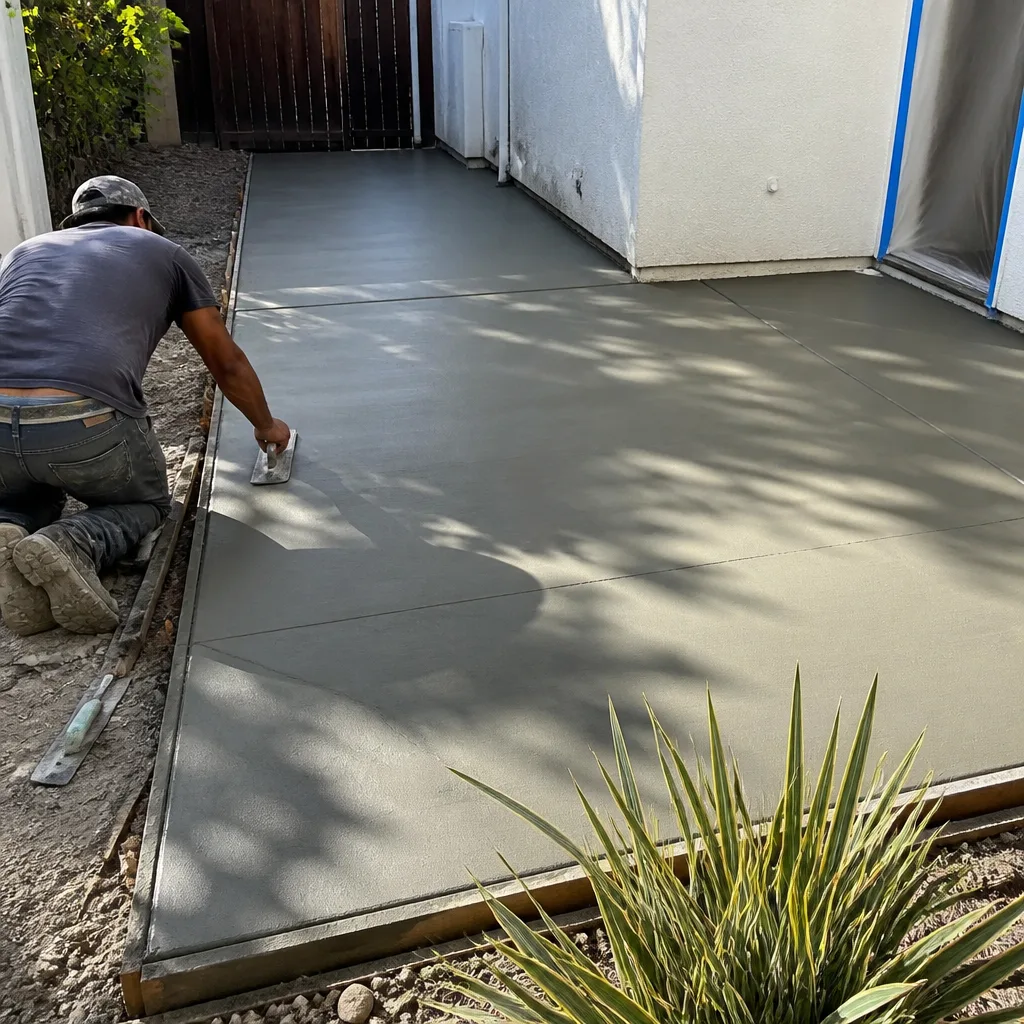
Landscaping and hardscaping in Fresno deserve special attention. The hardpan clay underneath most Fresno yards does not drain well, so if you’re installing pavers from a brand like Belgard or Tremron, the base preparation matters more than the paver pattern. A DIY paver patio that skips the compacted base and the drainage slope will heave and sink within two seasons. That’s correctable, but it’s also the most common hardscape mistake we see in areas like Woodward Park and Sunnyside, where irrigation overspray and heavy clay make a bad base fail faster.
Trim carpentry, crown molding, and interior door hanging are all DIY-appropriate if you own a miter saw and have patience. The learning curve is real, but the mistakes are cosmetic and correctable at low cost. That’s the test: can a mistake be fixed for less than it would have cost to hire a pro in the first place? If yes, DIY is reasonable. If no, you’re gambling.
How DIY Work Affects Your Homeowner’s Insurance in Fresno
This is the part most DIY guides skip, and it’s the part that costs Fresno homeowners real money. Your homeowner’s insurance policy contains language about workmanship and unpermitted improvements, and when a claim is filed, the adjuster will look at who did the work and whether it was permitted.
The policy language to look for is usually in the exclusions section under “faulty workmanship” or “defective construction.” Standard ISO-form policies exclude damage caused by faulty workmanship, but they typically cover the resulting damage. For example: if a DIY plumbing repair fails and floods the kitchen, the water damage might be covered, but the repair of the failed joint itself is not. If the work was unpermitted, the insurer has a stronger basis to deny the entire claim, arguing that the risk was materially misrepresented when the policy was written.
Claims categories most likely to be denied when unlicensed or unpermitted work is involved:
- Water damage from failed plumbing or fixture connections
- Fire damage traced to electrical work done without a permit
- Structural damage from improperly removed or altered framing
- Roof leaks traced to DIY roofing repairs
- Mold claims where the source is a DIY plumbing or flashing issue
Fresno homeowners should also know that the California FAIR Plan, which many people in wildfire-prone parts of Fresno County rely on, has its own inspection process. A FAIR Plan inspector who finds unpermitted electrical or roofing work can flag the property and require correction before the policy is issued or renewed. That’s a hard deadline, not a suggestion.
The insurance angle changes the DIY calculus completely. You might save $4,000 doing your own bathroom plumbing, but if a supply line fails while you’re at work and the insurer denies a $22,000 water damage claim because the work was unpermitted, you didn’t save anything. In our experience at Bradford Remodeling Co Fresno home, the insurance conversation is the one homeowners wish they’d had before starting, not after filing a claim.
The True Cost Comparison: A Fresno Bathroom Tile Example
The honest way to compare DIY and professional cost is to price your own time, count your tools, account for waste, and include a correction fund. Here’s a worked example for a 60-square-foot bathroom floor tile project in Fresno, using the mid-range porcelain tile you’d buy at a local flooring supplier.
Professional installation cost in Fresno, as of early 2026:
| Line item | Cost |
|---|---|
| Demolition and disposal of existing flooring | $250-$400 |
| Substrate prep: backer board, leveling, membrane | $300-$500 |
| Tile installation labor (60 sq ft at $12-$18/sq ft) | $720-$1,080 |
| Grout, sealant, and trim | $150-$250 |
| Total professional cost | $1,420-$2,230 |
DIY cost for the same 60-square-foot project:
| Line item | Cost |
|---|---|
| Tile, backer board, thinset, grout, sealant | $550-$800 |
| Tool rental: tile saw, demo hammer, leveling system | $120-$200 |
| Material waste from learning curve (10-20%) | $55-$160 |
| Your time: 30-45 hours at $35/hour | $1,050-$1,575 |
| Correction and rework fund | $200-$500 |
| Total DIY cost | $1,975-$3,235 |
The DIY number assumes you value your time at $35 per hour, which is conservative for a Fresno homeowner in a professional or trade career. If you value your time at zero, DIY comes out ahead on paper, but the correction fund is still real. Lippage, uneven cuts, and a floor that is out of level by an eighth of an inch will show in the finished product, and fixing a bad tile job costs more than doing it right the first time.
This comparison applies to tile, and it scales to other scopes. A Kitchen Remodeling in Fresno project has the same math, but the multipliers are bigger: more expensive materials, more waste from miscuts, and a longer correction curve. The lesson is not that DIY never pays. It’s that DIY pays when the task is simple, the materials are cheap, and your time is abundant. The moment the scope includes a substrate, a rough-in, or a building code, the professional number starts looking better.
The Hybrid Model: Self-Performing Finish Work Legally
There’s a third option that most Fresno homeowners never hear about because it requires a contractor who is willing to write it into the contract. The hybrid model works like this: a licensed general contractor performs all the permit-required scope, meaning the structural, electrical, plumbing, and mechanical work. The homeowner then self-performs the finish work, painting, trim, flooring, cabinet hardware, under a written agreement that defines who does what and keeps the permit file clean.
The key is structure. The hybrid arrangement needs to be:
- Put in writing before any work starts. The contract must list your self-perform scope explicitly. If it’s not written, the city of Fresno will assume the contractor did everything, and the inspector will want to see the licensed contractor’s work on the items that actually came out of your garage.
- Sequenced correctly. Structural and mechanical work happens first, gets inspected, and closes. Your finish work happens after the inspections pass. You do not work inside the contractor’s scope before the inspector has signed off.
- Kept separate from the permit-critical path. Your finish work should not be on the permit documents at all if it doesn’t need to be. Painting, trim, and flooring are typically not permit items. Keep them off the permit and in a separate written agreement that references the main contract.
- Honest about insurance. The contractor’s liability coverage ends where your work begins. If you self-perform a finish and it fails, that’s on you. The written split protects the contractor and makes clear what your future warranty does and does not cover.
A disciplined contractor will sign this arrangement. Most won’t, because it adds paperwork and creates gray areas at inspection time. At Bradford Remodeling Co Fresno, we’ve structured hybrid agreements on Home Remodeling in Fresno projects where the homeowner wants to save money on painting and trim work. The Garrison Standard requires the split to be in writing, with the self-perform scope listed line by line, so there is no ambiguity about who did what when a buyer’s inspector asks in five years.
The hybrid model is worth asking about. A contractor who refuses to discuss it isn’t necessarily hiding anything, but one who will structure it shows they understand how California’s disclosure rules actually work.
Resale Disclosure and What a Buyer’s Inspector Will Find
Fresno’s real estate market has tightened since the 2020-2022 run, which means buyers are using inspections more aggressively. A home inspector in the Central Valley knows exactly what to look for: DIY electrical work with non-code wire gauge, tile floors with lippage that suggests an amateur install, load-bearing walls that were opened without a header. These findings become negotiation points, and in a market with more inventory, they become deal-breakers.
California Civil Code Section 1102 requires sellers to disclose all known material facts about the property, and that includes unpermitted work. The Transfer Disclosure Statement has a specific question about permits and completed work. Answering it dishonestly is fraud. Answering it honestly gives the buyer leverage to demand a price reduction or a repair escrow. Fresno sellers who did major DIY work without permits are in the worst position: they must disclose a fact that depresses their own sale price.
The five-year owner-builder rule adds another layer. If you pulled an owner-builder permit and sold within five years, you must disclose that in writing to every prospective buyer. The intent of the law is to prevent builders from skirting licensing requirements by posing as owner-builders, but the effect is that a homeowner who does a major owner-builder remodel and then needs to sell quickly carries a disclosure burden that a professionally permitted project does not create.
What a buyer’s inspector flags most often in Fresno homes with DIY history:
- Electrical work: double-tapped breakers, non-GFCI outlets in wet locations, aluminum-to-copper connections without proper connectors
- Plumbing: improper drain slope, non-code venting, sharkbite fittings in inaccessible locations
- Structural: missing or undersized headers, notched floor joists in the wrong locations, foundation patches that don’t match surrounding work
- Roofing: improper flashing at penetrations, too many layers of shingles, no drip edge on fascias
- Tile and waterproofing: no waterproofing membrane under shower pans, grout used as the only water barrier
The long-term cost of a disclosure issue is not the repair. It’s the negotiation. A buyer who finds unpermitted work will not ask you to fix it. They will ask for a credit that is bigger than the fix would cost, because they’re pricing the inconvenience and the unknown. Professional work with closed permits avoids the entire conversation.
Common Mistakes to Avoid
- Starting before checking the $500 threshold. Once your combined labor and material cost passes $500 and the scope touches a licensed trade, the owner-builder exemption requires you to file paperwork. Skipping it because you didn’t know creates the exact liability you’re trying to avoid.
- Underestimating Fresno’s permitting reality. The city of Fresno requires plan review for a lot of work that homeowners assume is permit-free. A water heater swap, a panel upgrade, even a window replacement that changes egress size, all trigger permits here. Check before you buy materials.
- Assuming insurance covers DIY mistakes. It usually covers resulting damage, but not the repair of your own faulty work, and an unpermitted project gives the adjuster a stronger denial path. Read the “faulty workmanship” exclusion in your policy before you cut into anything.
- Confusing “I can watch a YouTube video” with “I can do it to code.” A tutorial shows you how to assemble something. It does not show you the Fresno amendment to the California Building Code that applies to your specific scab patch or drain slope. Code compliance is a document, not a technique.
- Mixing DIY and professional work on the same system without a written split. If you have an electrician add a circuit to the panel and then you extend that circuit yourself with homeowners’ store materials, the inspector will assume the electrician did it all. When it fails, the electrician’s insurance will not cover your portion. Put every split in writing.
- Forgetting the resale clock. The owner-builder disclosure requirement lasts five years from the permit date. If there’s any chance you’ll sell within that window, the DIY structural or mechanical project has a carrying cost you should price now, not at listing.
- Doing exterior work without understanding Fresno’s climate. Stucco, paint, and hardscape all fail differently in the Central Valley’s heat and clay soil. A paint that works in Sacramento fails in four Fresno summers. Use materials rated for this specific climate, not a generic national recommendation.
When to Call a Professional
Call a licensed contractor when the project touches structure, electrical, plumbing, HVAC, or roofing, and the total combined labor and material cost exceeds $500. Call when the project requires a permit and you don’t want the permit in your own name with the five-year disclosure tail. Call when the work touches a system where a failure means water damage, fire, or a structural failure. Call when you’re planning to sell within five years and don’t want to explain unpermitted work to a buyer’s inspector. Fresno homeowners in neighborhoods like Bullard, McLane, and West Fresno face the same code requirements regardless of home age or style. Bradford Remodeling Co Fresno offers free estimates in Fresno, call (559) 785-2712 to talk through your scope and get a written price.
Frequently Asked Questions
Yes, California’s owner-builder exemption allows it, but the exemption creates a five-year disclosure obligation if you sell, and any project over $500 in combined labor and materials that touches a licensed trade must be permitted through the city of Fresno, which may require a licensed contractor’s signature on portions of the scope.
On finish-only scopes like painting and trim, you can save $2,000 to $5,000 on a standard Fresno home. On scopes that include electrical, plumbing, or structural work, the true DIY cost usually exceeds the professional number once you factor in your time, tool rental, material waste, and a correction fund, and the insurance and resale liability makes the DIY savings negative in most cases.
It depends on your policy’s “faulty workmanship” exclusion and whether the work was permitted. Standard policies cover resulting damage, like water from a failed DIY pipe connection, but not the repair of your own faulty work, and unpermitted work gives the adjuster a stronger denial path. Check your policy language before you start, and call (559) 785-2712 if you want a professional assessment of the risk.
Yes, if the remodel touches plumbing, electrical, or structural scope. A cosmetic update that only changes finishes, paint, and fixtures usually does not need a permit, but the moment you move a drain line, add a circuit, or open a wall, the city of Fresno requires one. The permit must be pulled by a licensed contractor or by you under the owner-builder path with all its disclosure obligations.
Yes, through a hybrid agreement. A licensed general contractor completes the permit-required scope and closes the inspections, then you self-perform the finish work under a written split that lists your scope line by line. Without the written split, the inspector will assume the contractor did your finish work, and that ambiguity becomes a problem at resale.
You must disclose it on the Transfer Disclosure Statement, and if the work falls within the owner-builder five-year window, you must provide a separate written disclosure to every buyer. Failure to disclose is fraud, and even honest disclosure gives the buyer leverage to demand a price reduction or repair escrow. The professional route avoids the entire conversation because the permits are closed and the work is documented.
The Bottom Line
The DIY-versus-hire decision in Fresno is not a skill test. It’s a legal and financial test. Finish work and genuinely cosmetic scopes are fair game for a homeowner who is honest about their time and their waste rate. Anything that requires a permit, touches a licensed trade, or could produce a water, fire, or structural claim belongs with a licensed contractor whose name is on the permit and whose insurance covers the work. The hybrid model gives you a middle path, and a disciplined contractor will structure it in writing. If you want the numbers on your specific project, Bradford Remodeling Co Fresno writes the price before any work starts, and the 365-Day Done Right Promise means if the work fails inside a year, we return and correct it at no charge. For more guides & resources, visit our blog.
Written by Curtis Lane, Owner at Bradford Remodeling Co Fresno, serving Fresno since 2004.
See the difference
 Before
 After
After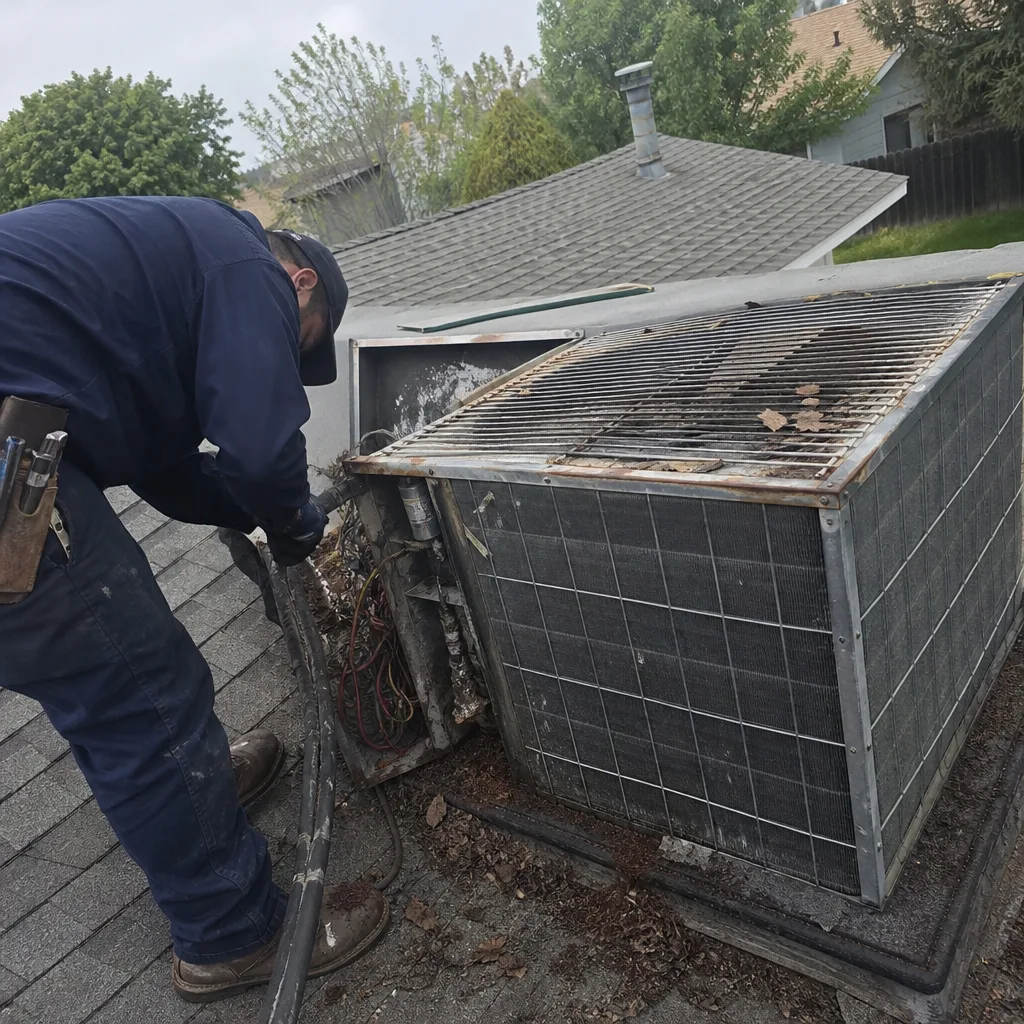 Before
 After
After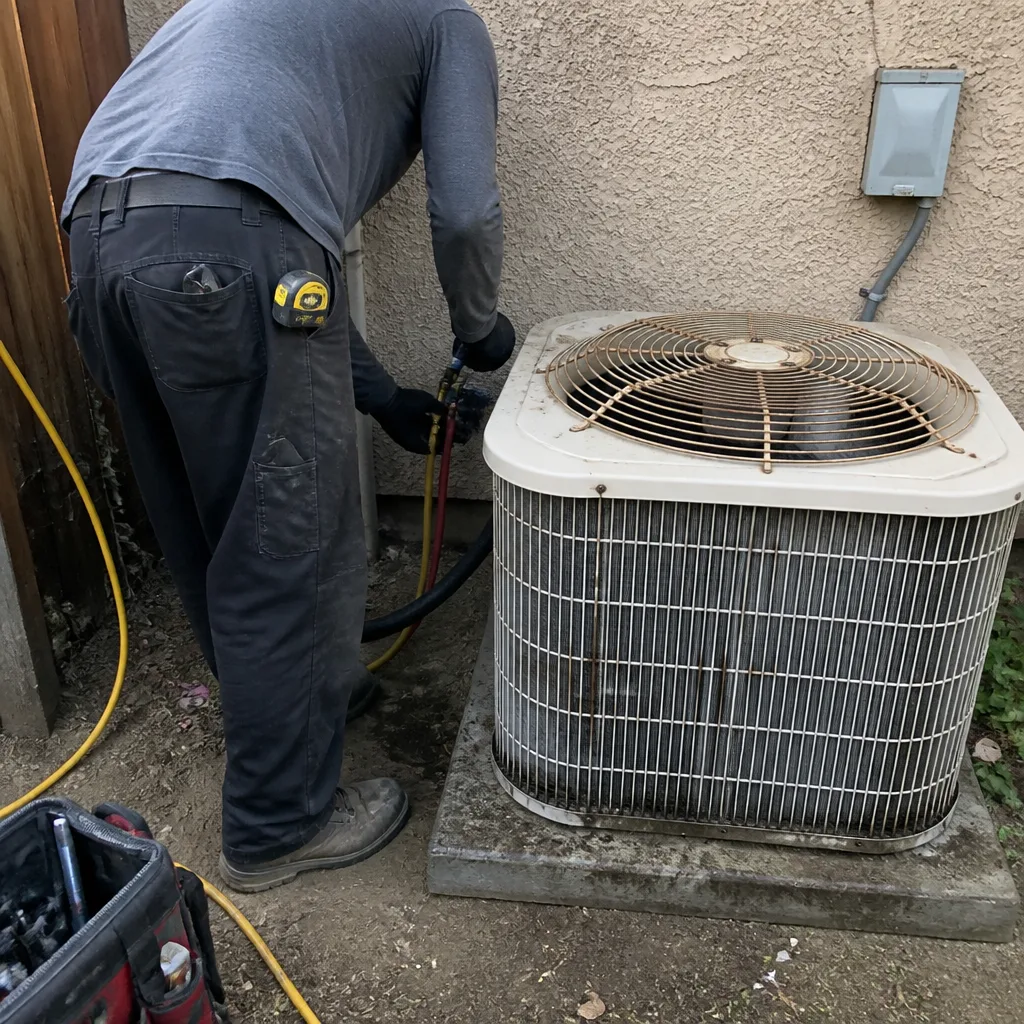 Before
 After
After